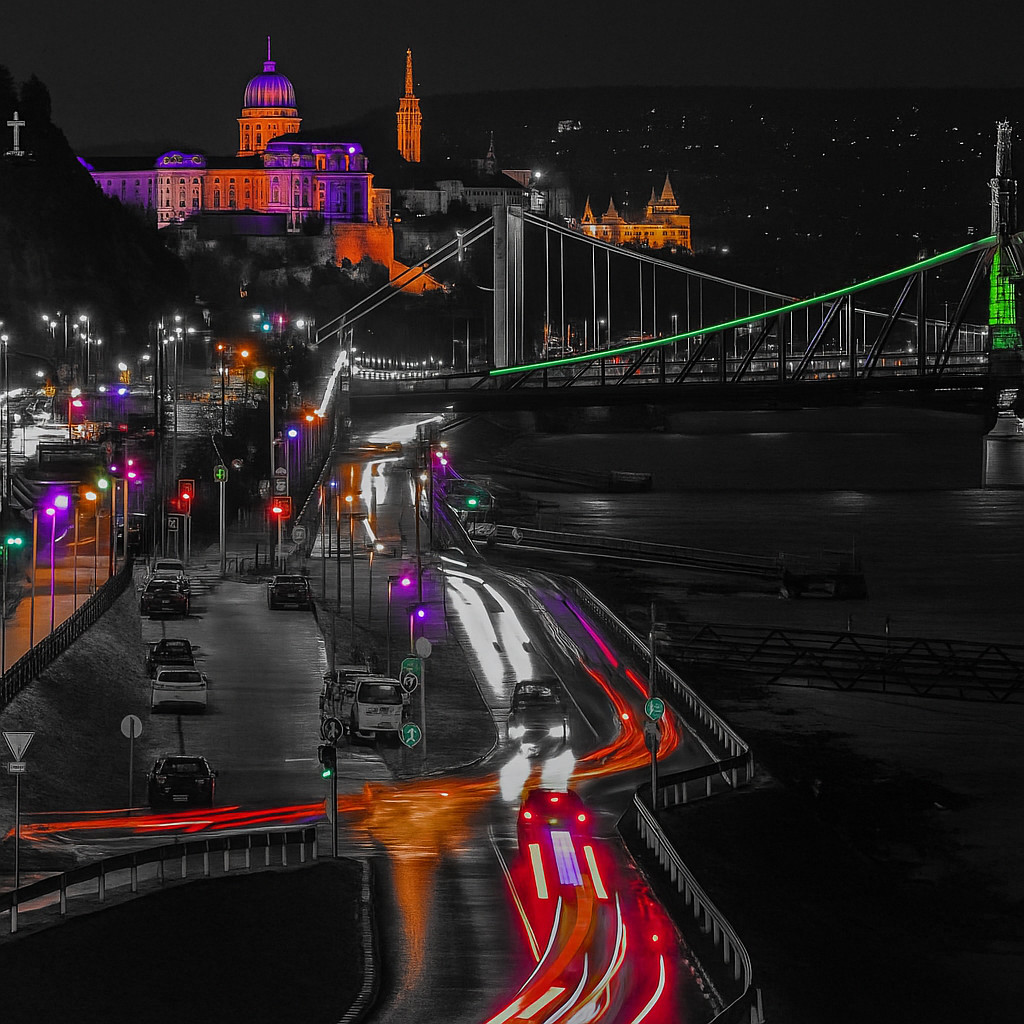
Budapest is a city of light and shadow — elegant boulevards and quiet courtyards, grand palaces above the Danube and ruin bars hidden in the walls below. Divided by the river but united by spirit, it’s a city that rewards walking, pausing, and simply looking. In three days, you can glimpse the soul of Hungary through its architecture, markets, music, and the kindness of those who still live life at a slower rhythm.
If you are planning what to see in Budapest in 3 days, this itinerary will take you from Pest’s cafés and parliament to Buda’s castles, baths, and sunset hills — a journey of beauty, history, and everyday life.
3-Day Overview
| Day | Area | Highlights |
|---|---|---|
| Day 1 | Pest | St. Stephen’s Basilica, Andrássy Avenue, Opera House, Parliament, Chain Bridge, Shoes on the Danube |
| Day 2 | Buda | Fisherman’s Bastion, Matthias Church, Buda Castle, Hospital in the Rock, Gellért Hill, Citadella |
| Day 3 | Thermal & Cultural Budapest | Széchenyi Baths, City Park, Vajdahunyad Castle, Heroes’ Square, New York Café, Great Market Hall |
Day 1 – Discover the Heart of Pest
Budapest begins on foot. The first day of your 3 days in Budapest unfolds in the flat, graceful district of Pest — a landscape of architecture, music, and golden light over the Danube.
St. Stephen’s Basilica & Dome View
Start your morning at St. Stephen’s Basilica Dome View. From its observation deck, the panorama captures the full symmetry of the city — the Parliament on one side, Buda Castle rising on the other. Inside, marble and gold meet the stillness of candlelight, and the mummified right hand of St. Stephen reminds visitors that Budapest’s beauty is built upon centuries of faith and resilience.
St. Stephen’s Basilica & Dome View — Location on the Map
Climb the St. Stephen’s Basilica dome for a sweeping 360° view over Budapest. From here, the Parliament, Buda Castle, and the Danube unfold in every direction—an essential stop for photography lovers and first-time visitors alike.
Andrássy Avenue & the Hungarian State Opera House
From the basilica, walk along Andrássy Avenue, Budapest’s grand boulevard and a UNESCO World Heritage Site. It connects the centre with City Park, lined with Neo-Renaissance mansions, cafés, and theatres. Stop at the Hungarian State Opera House, a masterpiece of elegance and acoustics. Guided tours reveal the opulent interiors once frequented by Franz Liszt and aristocrats of the Austro-Hungarian Empire.
Hungarian State Opera House Budapest — Location on the Map
The Hungarian State Opera House stands as one of Europe’s most beautiful theaters, blending Neo-Renaissance elegance with outstanding acoustics. Opened in 1884, it remains a temple of art, opera, and national pride in the heart of Andrássy Avenue.
Vörösmarty Square & Gerbeaud Café
End your late morning at Vörösmarty Square, the city’s festive heart. Order coffee and cake at Gerbeaud Café, where time moves slowly beneath chandeliers. Their famous Dobos Torte, layered with caramel and chocolate, tastes like Budapest’s history — rich, proud, and precise.
Vörösmarty Square Budapest — Location on the Map
Vörösmarty Square is one of Budapest’s most iconic public spaces, a bustling hub surrounded by cafés, restaurants, and historic buildings. It is especially famous for its Christmas Market, artisan stalls, and open-air events held throughout the year. Located at the end of the Váci Street pedestrian zone, it serves as a natural meeting point for locals and travelers alike.
The Parliament & Kossuth Lajos Square
From here, stroll towards the Danube and the Hungarian Parliament Building. Its spires rise like a Gothic cathedral of democracy. A guided tour brings you inside the dome, where the Holy Crown of Hungary rests in a circle of light. Outside, Kossuth Lajos Square blends grandeur and silence, while the nearby Shoes on the Danube Bank stands as one of the most haunting memorials in Europe — a quiet row of iron shoes remembering those lost during World War II.
Hungarian Parliament Building — Location on the Map
The Hungarian Parliament Building is the architectural symbol of Budapest, admired for its Neo-Gothic details, grand dome, and commanding presence along the Danube. As one of the largest parliament buildings in the world, it remains a centerpiece of Hungarian history and a must-see attraction for every visitor.
Chain Bridge & the Danube Promenade
As sunset approaches, cross the Chain Bridge, its stone lions glowing in orange light. On the Pest riverbank, the Danube Promenade offers some of the best evening views in Europe — Parliament on the water, Buda Castle above it, and trams gliding by like fireflies.
Chain Bridge Budapest — Location on the Map
The Chain Bridge is the oldest permanent bridge in Budapest and the first to connect Buda and Pest. Opened in 1849, it stands as a symbol of national progress and unity. Its twin towers, historic iron chains, and legendary stone lions make it an unforgettable landmark along the Danube.
Evening Suggestion
Join the Budapest Walking Tour at sunset for an introduction to local legends and secret courtyards. Dinner options nearby include Zrínyi Street or Október 6 Street, where small bistros and street food stalls fill the air with paprika and music.
Day 2 – Buda Castle & the Royal Hill
Your second day explores Buda, the city’s ancient and romantic half. Its cobbled lanes and steep hills whisper stories of kings, battles, and poets. Bring good shoes — the best of what to see in Budapest in 3 days happens here.
Buda Castle Budapest — Location on the Map
Buda Castle, perched high above the Danube, is the grand historical heart of Budapest’s royal past. Once the residence of Hungarian kings, the castle complex now houses museums, terraces, medieval ruins, and sweeping viewpoints that overlook both Buda and Pest. Its blend of Baroque architecture, deep history, and spectacular scenery makes it one of the city’s most essential attractions.
Fisherman’s Bastion & Matthias Church
Begin at Fisherman’s Bastion, where the city opens below like a dream. The white terraces frame the Parliament perfectly, especially in morning light. Right beside it stands Matthias Church, with Zsolnay-tiled roofs glowing green and gold. Inside, Gothic arches and soft frescoes tell centuries of faith and art.
Fisherman’s Bastion & Matthias Church Budapest — Location on the Map
The stunning duo of Fisherman’s Bastion and Matthias Church crowns the Buda Castle District with fairy-tale towers, Gothic architecture, and sweeping views over the Danube. From its white terraces to its vividly tiled rooftop, this iconic complex is one of Budapest’s most admired viewpoints and historical treasures.
Buda Castle District
Wander through the Buda Castle District, where every corner hides something: the Matthias Fountain, the medieval courtyards, the quiet Castle Garden Bazaar below. The air carries the scent of stone and history, especially near the Hospital in the Rock, a museum built inside wartime tunnels that once served as a hospital and shelter during the siege of Budapest.
Buda Castle District Budapest — Location on the Map
The Buda Castle District is the historical heart of the city’s royal past. With cobbled streets, Baroque façades, medieval walls, and world-famous viewpoints over the Danube, this hilltop neighborhood offers one of the most immersive cultural experiences in Budapest. It is home to landmarks such as Buda Castle, Matthias Church, Fisherman’s Bastion, and several museums that preserve centuries of Hungarian heritage.
Philosophers’ Garden & the Liberty Statue
A short walk south leads to the Philosophers’ Garden, a tranquil spot with statues of Buddha, Jesus, and Abraham gathered in silent dialogue — a vision of peace after conflict. From here, you can continue uphill to Gellért Hill, where the Liberty Statue watches over the city like a guardian. The climb rewards you with panoramic views across bridges and rooftops that shimmer at dusk.
Philosophers’ Garden Budapest — Location on the Map
The Philosophers’ Garden is one of the most peaceful corners of Gellért Hill. Known for its symbolic statues representing harmony among the world’s great spiritual leaders and thinkers, this spot invites visitors to reflect while enjoying sweeping views of Budapest. It is a quiet retreat above the city, perfect for contemplation, photography, and appreciating the surrounding nature.
Citadella Viewpoint at Night
For one of the most unforgettable sights of Budapest at night, head to the Citadella Viewpoint. The Danube glows silver, and every bridge becomes a thread of light. It’s a place that captures everything Budapest represents — beauty, endurance, and light over the river.
Citadella Budapest — Location on the Map
The Citadella crowns the top of Gellért Hill, offering one of the most spectacular viewpoints in Budapest. This historic fortress has witnessed revolutions, world wars, and the rebirth of the city, making it a landmark tied deeply to Hungary’s past. Its panoramic terrace provides unforgettable views of the Danube, Parliament, Buda Castle, and the entire skyline of the capital.
Day 3 – Baths, Markets & City Park
The third day of your Budapest itinerary is for slowing down. It’s about water, music, and the easy rhythm of life that makes locals so content. Here you’ll see that the city’s elegance lies not only in its monuments but in how people use them every day.
Széchenyi Thermal Bath
Begin your morning at the Széchenyi Thermal Bath, the largest medicinal bath in Europe. Set inside a neo-baroque palace, its blue pools steam in winter and sparkle in summer. Locals play chess while soaking, and the sulphuric scent reminds you this is centuries-old tradition, not luxury. For etiquette tips, see our Thermal Bath Guide.
Széchenyi Thermal Bath Budapest — Location on the Map
The Széchenyi Thermal Bath is one of Europe’s largest spa complexes and a defining symbol of Budapest’s world-famous bathing culture. With its bright yellow neo-baroque buildings, steaming outdoor pools, and mineral-rich healing waters, it offers a unique blend of history, relaxation, and architectural grandeur in the heart of City Park.
City Park (Városliget)
After your bath, explore City Park Budapest. This is where Budapest breathes — wide paths, lakes, and laughter from families on bicycles. Within it stands Vajdahunyad Castle, an architectural fantasy mixing Gothic, Renaissance, and Baroque styles. It feels like stepping into a fairytale built from fragments of Hungarian history.
City Park Budapest — Location on the Map
City Park (Városliget) is one of Budapest’s most beloved green spaces, offering a perfect blend of relaxation and culture. Within its grounds, visitors can explore architectural landmarks, serene walking paths, lakeside views, and some of the city’s most iconic attractions, including the Széchenyi Thermal Bath, Vajdahunyad Castle, and the Museum of Fine Arts.
Heroes’ Square
At the entrance to the park rises Heroes’ Square, a grand plaza honouring Hungary’s most important leaders. Statues of the Magyar chieftains circle the Archangel Gabriel, who raises the holy crown above the city. Come at sunset when the light softens the marble.
Heroes’ Square Budapest — Location on the Map
Heroes’ Square is the monumental gateway to Budapest’s City Park and one of the most emblematic places in Hungary. Its towering statues, sweeping colonnades, and symbolic central column celebrate the nation’s founders and historic figures, making it a powerful space of memory and identity.
House of Terror Museum
If you wish to understand Budapest’s 20th-century history, the House of Terror Museum on Andrássy Avenue is essential. Its exhibits chronicle the fascist and communist regimes, a sobering reminder of how resilience shaped the nation.
House of Terror Museum Budapest — Location on the Map
The House of Terror Museum is one of Budapest’s most impactful historical sites, documenting the tragedies suffered under the fascist Arrow Cross regime and later the communist dictatorship. Its exhibitions shed light on fear, oppression, and resistance, making it an essential visit for anyone seeking to understand Hungary’s 20th-century history.
New York Café
Take a break at the New York Café, often called the most beautiful café in the world. Gilded ceilings, mirrors, and live piano music create an atmosphere that feels more like an opera set than a coffeehouse. Order coffee and somlói galuska — the Hungarian trifle dessert.
New York Café Budapest — Location on the Map
The New York Café is one of Budapest’s most iconic landmarks, world-famous for its breathtaking interior. With frescoed ceilings, crystal chandeliers, marble columns, and golden details, it embodies the grandeur of the Belle Époque. A historic meeting point for writers and artists, it remains a must-visit for anyone seeking elegance, beauty, and atmosphere in the heart of the city.
Great Market Hall
End your afternoon at the Great Market Hall, where local life hums beneath steel arches. Pick up paprika, Tokaji wine, or embroidered linen. Upstairs, taste lángos — fried dough topped with sour cream and cheese — one of the Traditional Hungarian Dishes to Try in Budapest.
Great Market Hall Budapest — Location on the Map
The Great Market Hall, known in Hungarian as Nagyvásárcsarnok, is the grandest and most atmospheric market hall in Budapest. Built in 1897, it captivates visitors with its vast iron structure, colorful roof tiles, and lively stalls filled with paprika, salamis, fresh produce, pastries, and artisan goods. It is an essential stop for anyone wanting to explore authentic Hungarian flavors and market culture.
Budapest Eye & Evening Walk
Finish your last evening near the Budapest Eye, a glowing ferris wheel overlooking the Danube. The area around Erzsébet Square is lively, with music, fountains, and rooftop bars. For a magical farewell, cross the bridge again and watch Parliament reflected in the river — Budapest’s eternal mirror.
Budapest Eye — Location on the Map
The Budapest Eye rises above the lively streets of Erzsébet Square, offering sweeping views over downtown Budapest. With its illuminated wheel and central location, it has become a modern symbol of the city and a favorite spot for visitors seeking a memorable above-the-city perspective.
Optional Experiences & Evening Ideas
If you still have time during your 3 days in Budapest, add one or two of these unforgettable experiences.
Danube River Cruise
Sailing under the bridges is pure poetry. The Danube River Cruise offers day and night options, but twilight is best — when the Parliament glows gold and the water shimmers with reflections.
Ruin Bars & Nightlife
The Ruin Bars of Budapest — like Szimpla Kert or Füge Udvar — transform abandoned courtyards into worlds of lights, art, and sound. Each one feels like a conversation between the past and the present.
For quieter evenings, head to Leo Rooftop Bar for views that make the whole city look like a theatre.
Budapest Wine Festival
If you visit in September, the Budapest Wine Festival at Buda Castle is unmissable. Glass in hand, overlooking the Danube, you’ll understand why Hungary’s wines — especially Tokaji — have inspired poets for centuries.
Conclusion – Walk the City, Feel Its Soul
After 3 days, you’ll see that Budapest isn’t just a list of monuments; it’s a living composition of sound, stone, and water. The bridges connect not just two banks but two ways of being — the grandeur of Buda and the pulse of Pest. Every tram ride, café stop, and street corner hides a piece of history waiting to be heard.
For those who wish to explore deeper, join our Budapest Walking Tour. It’s the best way to move beyond sightseeing — to understand the stories behind the streets, to meet the people who keep the city alive, and to see what to see in Budapest in 3 days not as a checklist, but as a journey through time, light, and human warmth.