There are few places in Europe where history feels as alive as it does on Castle Hill. The stones under your feet, the echoes of horses long gone, and the golden light on the rooftops all tell stories that belong to a thousand years of Hungarian pride. Walking through Buda Castle District is more than a visit — it is a quiet journey through centuries, surrounded by elegance, courage, and the endless flow of the Danube below.
The Heart of History — Entering the Castle District
Your walk begins at the foot of the Chain Bridge, where lions guard the gateway between Pest and Buda. As you cross, the air grows cooler and the hills rise ahead, crowned by towers and fortresses. You can reach the Castle District either by taking the funicular, built in 1870, or by climbing the stone steps that wind up through the old walls. The climb is steep, but every turn offers views of the Danube glinting like glass beneath the morning sun.
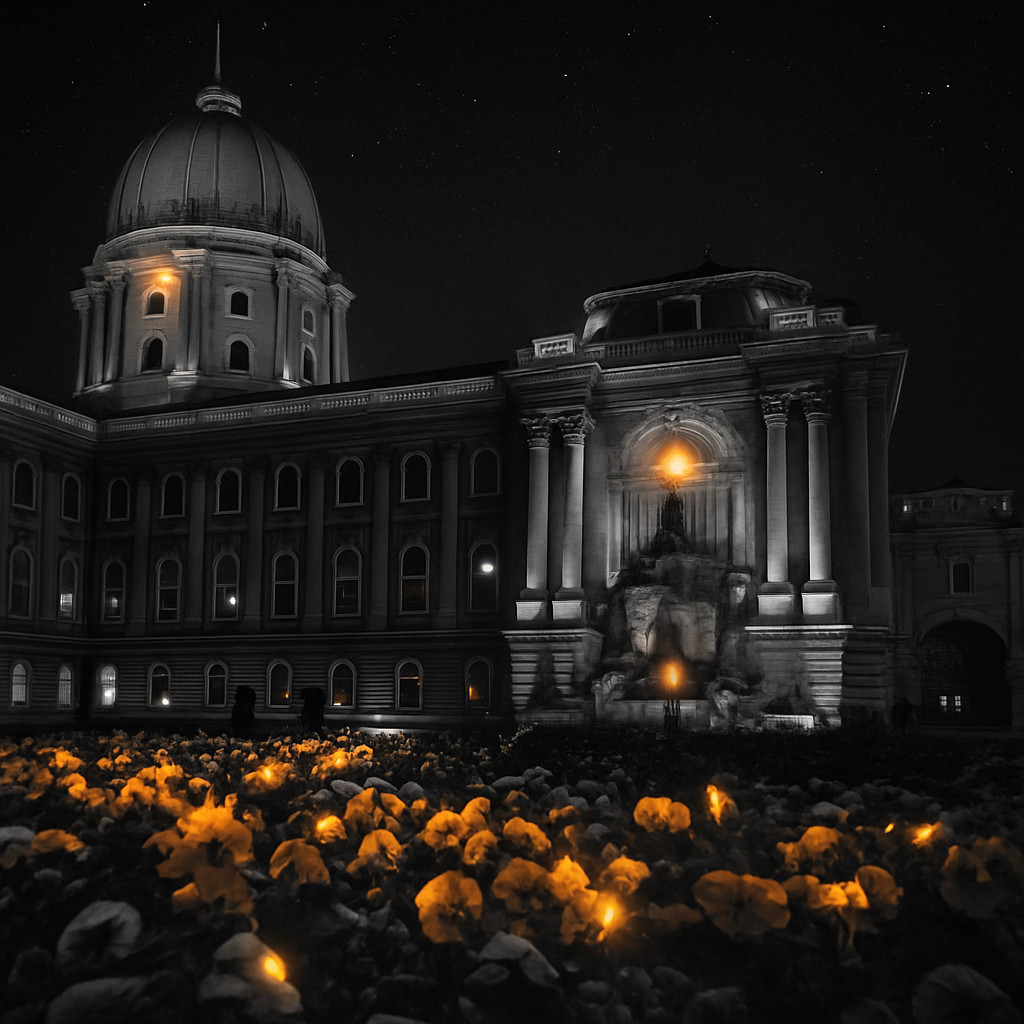
When you reach the top, the first sight that greets you is the vast courtyard of the Royal Palace. The Matthias Fountain stands proudly here — a sculptural masterpiece showing King Matthias on a hunt. Water trickles over bronze figures, and the sound blends with the distant toll of bells. The courtyard opens onto terraces where Budapest unfolds before you: the Parliament, the bridges, and the endless roofs of Pest stretching into the haze.
The Castle District’s architecture feels timeless — Baroque façades with pastel colours, stone alleys, and wrought-iron balconies draped in ivy. Each building whispers fragments of the city’s story: the sieges, the fires, and the rebirths that have shaped Buda for centuries.
Royal Palace & Timeless Views
The Royal Palace itself, once home to Hungarian kings, has been destroyed and rebuilt many times. What stands today is both a museum and a monument — a grand structure of symmetry and resilience. Inside, the Hungarian National Gallery houses works that tell the story of the nation through art, while the Budapest History Museum reveals layers of medieval foundations beneath the floors. Walking through its halls, you can almost feel the passage of time beneath your shoes.
Step out onto the Savoy Terrace, where the view seems to belong to another world. The Parliament glows across the river, trams hum along the embankment, and the city stretches endlessly. This is one of the finest viewpoints in Budapest — a moment to stand still and breathe in centuries of history.
From here, follow the cobblestone road north, and you’ll reach Trinity Square, where the district opens like a stage. To your right stands the Matthias Fountain once again, framed by arches; to your left, the slope descends toward the Castle Garden Bazaar, a Neo-Renaissance complex of terraces and stairs that leads back to the Danube.
But the walk is not only about grandeur. Between the palaces and terraces, you find silence — a deep, ancient quiet that seems to linger in the air. Every echo of your footsteps is a reminder that thousands have walked this same path before you.
(For more stories about the sculpture and legend, see Matthias Fountain at Buda Castle.)
Royal Palaces of Budapest — Location on the Map
The Royal Palaces of Budapest, centered around the iconic Buda Castle, stand as a symbol of Hungary’s royal heritage. Overlooking the Danube from Castle Hill, the complex blends grand architecture, centuries of history, and unforgettable panoramic views of the city. Visitors come here to explore museums, courtyards, and terraces that echo the power and beauty of a once-mighty kingdom.
The Soul of the Hill — Matthias Church & the Old Town
Continue north and you’ll soon see the delicate spire of Matthias Church, one of Europe’s most beautiful Gothic structures. Its Zsolnay-tiled roof glitters like a dragon’s scales — green, gold, and violet under the sun. Inside, soft light pours through stained glass and dances over hand-painted columns. Every surface is covered with patterns and symbols that merge faith and folklore. The church has witnessed coronations, wars, and celebrations, surviving them all.
Just outside, Trinity Square opens wide, surrounded by cafés and old houses painted in pale yellow and pink. Musicians often play here in the afternoon, their notes echoing off the walls while locals sip coffee under chestnut trees. Walking further, you enter the heart of the Old Town, a labyrinth of cobblestone streets where each turn reveals something new: a small gallery, a carved doorway, or a wrought-iron lamp still glowing with gaslight.
The Castle District is also a place of reflection. A few minutes’ walk west from the main square takes you to the Philosophers’ Garden, a hidden park overlooking the Danube. Here, statues of Jesus, Buddha, and Abraham stand together in quiet conversation — a symbol of peace born from centuries of division. From this garden, the city below looks serene and infinite, a living contrast to the stillness of the hill.
The Soul of the Hill — Matthias Church & the Old Town — Location on the Map
Matthias Church and the surrounding Old Town of Buda form the spiritual and historical heart of Castle Hill. With its colorful tiled roof, Gothic towers, and centuries of royal ceremonies, the church stands as one of Budapest’s most iconic monuments. The narrow cobblestone streets around it preserve the quiet charm of the medieval city, creating an atmosphere where history feels alive in every corner.
Hidden Corners & Nightfall in the Castle
As daylight fades, explore the southern slopes of Castle Hill, where the crowds thin and the past feels closer. Beneath your feet, tunnels run deep into the rock — once cellars, later shelters, and now part of the Hospital in the Rock, a fascinating museum that tells the story of wartime Budapest. Its dimly lit corridors and preserved equipment show how the hill became a fortress of survival during the darkest hours of the 20th century.
Outside again, follow the winding path toward the Statue of the Turul, a mythical falcon that watches over the city from its perch above the palace. Near it rises the Mary Magdalene Tower, one of the oldest structures in Buda, scarred but standing — a powerful reminder of endurance. Below, the Castle Garden Bazaar leads you back to the river, its stairways and terraces glowing in the lamplight.
As night settles, the view from the walls is pure magic. The Parliament shines like a beacon, the Chain Bridge glows green across the Danube, and the sound of the river blends with the wind. The Castle District becomes silent again — a city of lights seen from a city of stone.
(Discover more about this underground museum at Hospital in the Rock Budapest.)
Conclusion — The Eternal Hill of Budapest
Walking through Buda Castle District is like reading the diary of a nation. Every tower, courtyard, and step tells a story of struggle, rebirth, and pride. It is a place where history doesn’t just rest — it breathes. When you walk here, you are not just sightseeing; you are tracing the footsteps of kings, poets, and dreamers who shaped Hungary’s identity.
For those who wish to go deeper, join our Budapest Walking Tour — an invitation to wander through the hidden gardens, quiet courtyards, and forgotten stories that lie beyond the tourist routes. Because in Buda Castle, the true beauty of Budapest isn’t only in what you see, but in what you feel beneath the cobblestones.