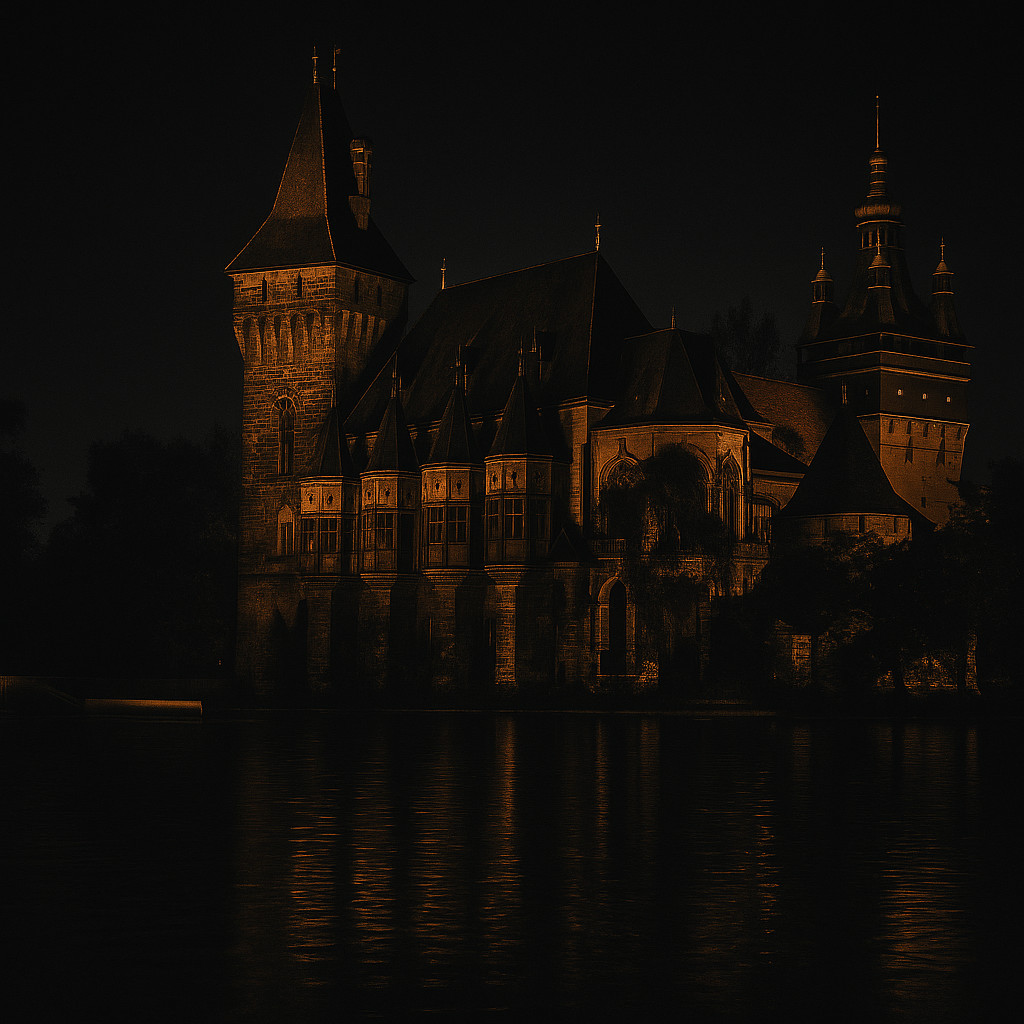
Hidden in the heart of City Park (Városliget), Vajdahunyad Castle Budapest rises like a dream sculpted from centuries of history. Its towers, bridges, and courtyards seem to belong to another era — a world where knights, kings, and artists once shaped Hungary’s destiny. Few landmarks capture the nation’s spirit so powerfully, blending architectural beauty with national pride and a touch of fairytale mystery.
A Castle Built for a Thousand Years
The story of Vajdahunyad Castle Budapest begins in 1896, when Hungary celebrated the Millennium of its foundation. To honor a thousand years since the Magyar tribes settled in the Carpathian Basin, Budapest hosted a grand exhibition showcasing Hungarian art, science, and architecture. One of its highlights was a temporary castle designed by Ignác Alpár, built from wood and cardboard.
The structure was meant to stand for a few months, yet it captivated everyone who saw it. Locals fell in love with the design — a perfect collage of Hungary’s architectural eras, from Romanesque monasteries to Gothic cathedrals and Baroque palaces. The public’s affection was so strong that the castle was rebuilt in stone between 1904 and 1908, transforming it into a permanent landmark that still enchants millions of visitors today.
Its name comes from the original Castle of Vajdahunyad in Transylvania (now Hunedoara, Romania), once owned by the heroic Hunyadi family. The Budapest version, however, isn’t a replica — it’s a symphony. Each section of the castle pays homage to a different chapter of Hungarian architecture, blending them into a single breathtaking vision.
A Living Chronicle of Architecture
As you cross the small bridge and pass through the gate tower, you enter a labyrinth of styles and eras. On one side stands the Romanesque Chapel of Ják, modeled after a 13th-century Benedictine monastery. Its arched doorway and carved capitals whisper of medieval devotion.
Move further and the Gothic courtyard transports you to Transylvania, where fortress-like walls and spires rise under the shadow of legends. The Renaissance and Baroque wings gleam with soft curves and ornate sculptures, recalling Hungary’s golden age.
This diversity makes Vajdahunyad Castle Budapest unlike any other monument. Architect Ignác Alpár didn’t simply copy buildings — he created an allegory in stone, a visual storybook that unites Hungary’s regions and centuries in one masterpiece.
The Museum of Hungarian Agriculture
Since 1897, the castle has housed the Museum of Hungarian Agriculture, the largest institution of its kind in Europe. It might sound humble, but its exhibits reveal the essence of Hungary’s soul — a country deeply rooted in its land and traditions.
Inside, visitors can explore ancient wine-making tools from Tokaj and Eger, ornate hunting rifles, and displays of forestry and fishing along the Danube River. The galleries tell stories of innovation, from medieval mills to 19th-century agricultural reforms that shaped modern Hungary.
For those interested in heritage, this museum is not just about crops and cattle — it’s about the nation’s perseverance. It portrays the relationship between Hungarians and the land that sustained them for a millennium.
Nature, Reflection, and the Spirit of the Park
Surrounded by trees and water, Vajdahunyad Castle stands as the crown jewel of City Park, Budapest’s green heart. The tranquil lake that surrounds it mirrors its towers perfectly, especially at dusk when golden lights shimmer across the surface. In winter, this same lake transforms into the city’s famous ice rink, creating one of the most romantic scenes in Europe.
The surrounding area is a cultural treasure chest. Just a few steps away, Heroes’ Square honors the founders and kings of Hungary, while the Museum of Fine Arts showcases masterpieces by Raphael, Goya, and Monet. On the opposite side, the Széchenyi Thermal Bath offers a different kind of experience — warm mineral waters under neo-Baroque domes, where locals play chess in the steam.
If you follow Andrássy Avenue toward the city center, you’ll pass elegant villas, embassies, and the Hungarian State Opera House — the same boulevard where nobles once arrived by horse-drawn carriages after a day at the castle.
The Perfect Scene by Night
When the sun sets, Vajdahunyad Castle reveals its most magical side. Illuminated by warm golden lights, it glows like a vision from a gothic painting. The reflection on the lake turns the scene into a mirror of dreams — a timeless postcard of Budapest’s romantic soul. Photographers often compare this moment to the Parliament Building glowing over the Danube, another symbol of the city’s grandeur.
If you enjoy capturing the beauty of nightscapes, this is one of the best sunset and night photo spots in Budapest — serene, mysterious, and full of emotion.
Walk Through History with Us
Vajdahunyad Castle Budapest isn’t just an attraction — it’s a living poem in stone. To truly feel its soul, you have to walk through it, hear the echoes of the past, and breathe in the scent of the surrounding trees.
That’s why the best way to explore this castle and the entire City Park is by joining our Budapest Walking Tour. Led by passionate locals, our tour guides share the myths, history, and secrets that make each corner of the city unforgettable.
From Heroes’ Square to Buda Castle, from hidden courtyards to panoramic rooftops, you’ll see why Budapest is a city best discovered on foot — step by step, story by story.
So when you stand before the shimmering lake of Vajdahunyad Castle, surrounded by light and silence, remember this: you’re standing at the crossroads of Hungary’s past and its eternal beauty.
Vajdahunyad Castle — Location on the Map
Rising among the trees of City Park, Vajdahunyad Castle captures a millennium of Hungarian history in stone. This enchanting lakeside fortress, home to the Museum of Hungarian Agriculture, invites visitors to step into a world of medieval towers, Gothic arches and timeless national heritage.