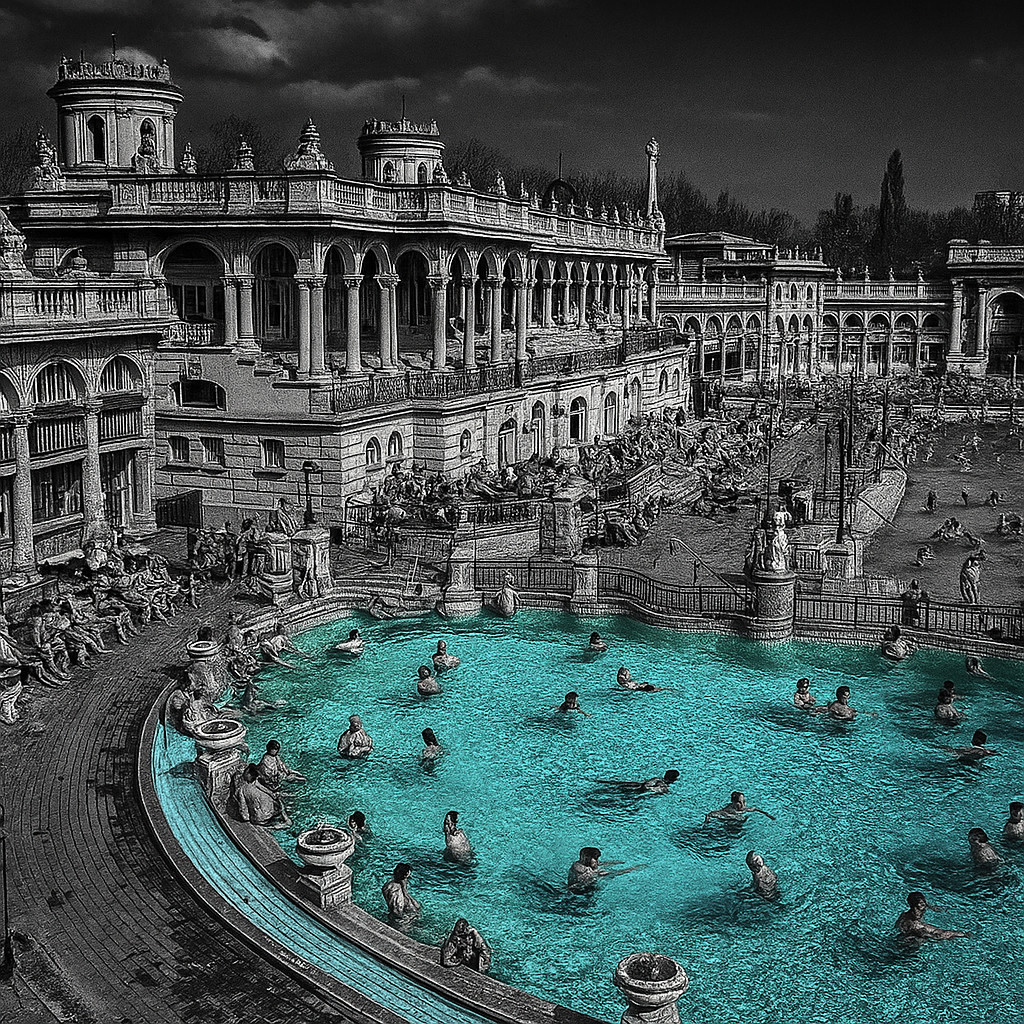
The Thermal Bath Etiquette Budapest experience is unlike any other in Europe. These historic spas are not just pools — they are sanctuaries of wellness, tradition, and Hungarian identity. Before you immerse yourself in the steaming turquoise waters of Széchenyi Thermal Bath or relax beneath the art nouveau domes of Gellért Thermal Bath, it’s essential to understand the cultural rules and etiquette that locals and travelers respect.
This guide will help you enjoy Budapest’s world-famous thermal baths respectfully and confidently, following customs that have endured for centuries.
A Sacred Tradition Beneath the Surface
Hungary lies on a treasure of more than 1,000 natural hot springs, and Budapest alone is blessed with over a hundred. For this reason, the city has earned the title “The Spa Capital of Europe.”
The bathing culture dates back to the Romans, was refined by the Ottomans, and elevated during the Austro-Hungarian Empire. Visiting a bath is not merely relaxation — it is a ritual of renewal deeply tied to national pride.
The most iconic spas include Széchenyi Thermal Bath in the City Park (Városliget), Rudas Baths with its Ottoman dome, and Gellért Thermal Bath with its majestic interiors. Each one has its own rhythm, atmosphere, and set of silent expectations that shape the Thermal Bath Etiquette Budapest visitors follow today.
1. Arriving Prepared — What to Bring
Before stepping inside, make sure to bring the essentials:
- Swimsuit (mandatory in mixed areas)
- Flip-flops or waterproof sandals
- Towel or bathrobe
- Soap or shower gel
- Plastic bag for wet clothes
Some spas rent towels and swimsuits, but prices can be high. Therefore, bringing your own ensures comfort and hygiene.
In addition, arrive early at Rudas Baths if you want a calm start, and bring a quick-dry towel to move easily between steam rooms and hot pools.
2. Understand the Atmosphere
Every bath in Budapest has its own character. Széchenyi is lively, open, and social — a grand courtyard where sunlight and steam meet. Gellért, by contrast, feels sacred, with mosaics and stained glass that make you whisper without realizing it.
Meanwhile, Rudas Baths offers a meditative experience, especially during early-morning sessions. Respecting the space and the tone of the bath is one of the unwritten rules of Thermal Bath Etiquette Budapest. Consequently, avoid loud laughter, shouting, or intrusive photography that can disturb others who come seeking peace.
3. Shower First — Always
This rule is universal across all spas. Before entering any pool, take a complete shower.
Because the baths are filled with mineral-rich thermal water, showering helps preserve its purity and healing qualities for everyone.
Following the Thermal Bath Etiquette Budapest tradition, showering is not optional — it is part of the ritual that connects locals and visitors alike.
4. Clothing and Modesty
Most Budapest thermal baths are mixed-gender, so swimsuits are required. Transparent or overly revealing swimwear is not acceptable. Respect modesty and maintain a polite distance from others.
In Rudas Baths, there are still special days reserved for men or women, preserving an ancient rhythm. Always check before visiting to avoid surprises.
Moreover, remember that elegance and restraint are valued as part of Hungarian spa culture.
5. Silence Is Part of the Experience
Hungarian thermal baths are not theme parks; they are sanctuaries of calm. Locals often come to think, to heal, or to sit quietly in conversation with themselves.
At Széchenyi Thermal Bath you might see elderly men playing chess in steaming water — a picture of discipline and peace. Speak softly and let the sound of water replace your words.
6. Moving Between Pools
Most baths have several pools with different temperatures. Begin with warm water (around 34–36°C), then move to the hotter ones (38–40°C), and finally cool down with a short dip in cold water.
This sequence follows the rhythm of Hungarian tradition. As a result, it strengthens circulation and enhances the therapeutic effect. Moving too quickly between extremes can be dangerous, so allow your body time to adjust.
7. Respect Photography Rules
While Széchenyi Thermal Bath is among the most photographed landmarks in Budapest, privacy and respect come first. Do not take photos in locker rooms, saunas, or indoor pools.
For beautiful and respectful shots, stay in outdoor areas or capture architecture and atmosphere rather than people.
8. Respect the Staff
The attendants, or “fürdőmester,” maintain hygiene, water temperature, and order. If they correct you, follow their instructions — it’s part of preserving the centuries-old atmosphere.
In Hungary, thermal baths are treated as cultural institutions. Therefore, respect for the staff is respect for the tradition itself.
9. Health and Safety
Thermal waters are powerful and beneficial, but overexposure can cause fatigue or dizziness. Limit sessions in hot pools to 20 minutes and rest between dips. Drink water frequently and take breaks to cool down.
If you feel lightheaded, step out and rest in a cooler area. The purpose of bathing is to heal, not to endure.
10. After the Bath
Do not rush to leave. The minerals continue to work on your body even after you dry off.
Many visitors stop for coffee or dessert at Gerbeaud Café or Centrál Café. Others stroll through City Park or admire Vajdahunyad Castle nearby.
Indeed, the experience ends not when you leave the water, but when calm returns to your heartbeat.
11. Choosing Your Bath
New visitors often begin their spa journey at Széchenyi Thermal Bath, a grand, open, and unforgettable experience in the heart of City Park.
Meanwhile, architecture lovers will be drawn to Gellért Thermal Bath, where mosaics and stained glass make every moment feel sacred.
Finally, those fascinated by history should not miss Rudas Baths, which preserves the Ottoman spirit under its ancient dome and offers some of the most atmospheric views of the Danube River.
Whichever you choose, remember that calm and respect define every experience.
12. Walk, Breathe, and Reflect
After your visit, walk along the Danube Promenade or cross the Chain Bridge toward Buda Castle Hill. The feeling of renewal stays long after the steam fades.
To understand Budapest beyond its waters, join our Budapest Walking Tour and discover how healing traditions, architecture, and local stories intertwine. Understanding and following Thermal Bath Etiquette Budapest is more than politeness — it is harmony with a living heritage.