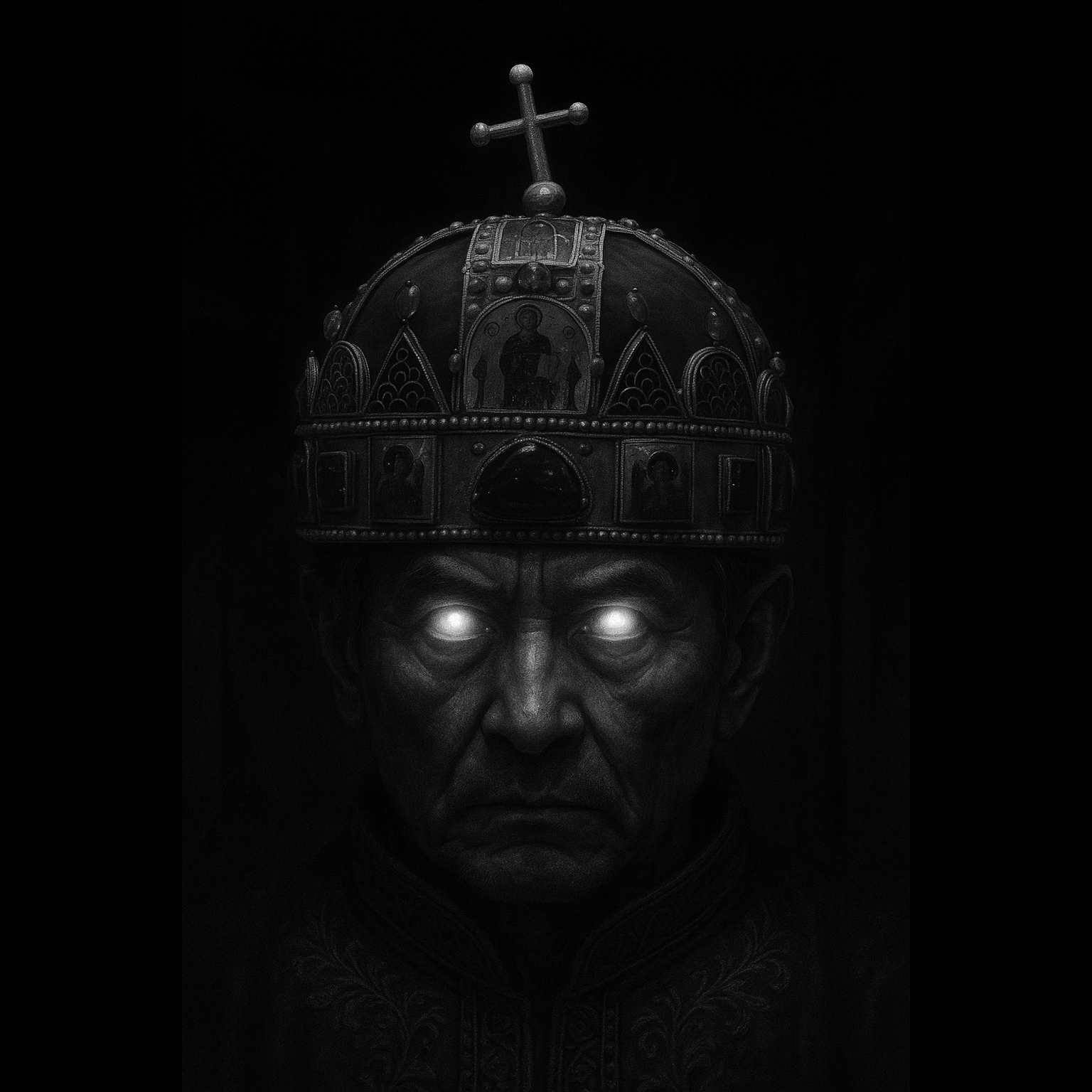
Every year on 20 August, Budapest awakens to the sound of drums, the scent of fresh bread, and a sky that ends in fire. St. Stephen’s Day, Hungary’s national holiday, is a celebration of faith, history, and identity — the day when the country honors its first king and the founding of the Hungarian state.
Along the Danube River, parades, concerts, and fireworks transform the capital into a living stage where past and present meet.
Who Was St. Stephen?
St. Stephen I of Hungary was crowned around the year 1000, marking the birth of the Christian Kingdom of Hungary. His reign unified the tribes of the Carpathian Basin under one faith, one crown, and one nation.
His relic — the Holy Right Hand, known as the Szent Jobb — remains preserved in St. Stephen’s Basilica, one of Budapest’s most sacred landmarks.
Each 20 August, the relic is carried through the streets in a solemn procession that moves from the Basilica toward Liberty Square and the Parliament, symbolizing continuity between ancient faith and modern democracy.
If you wish to admire the basilica’s impressive dome and views over the city, don’t miss St. Stephen’s Basilica Dome View — Closer to Heaven.
The Morning — Parades, Bread, and Blessings
St. Stephen’s Day begins early with the flag-raising ceremony in Kossuth Lajos Square, right in front of the Hungarian Parliament Building.
Soldiers in traditional uniforms salute the national colors, while the crowd gathers along the Danube embankment. The smell of freshly baked bread drifts through the air — each year, a “Bread of the Nation” is blessed by church and state leaders to represent unity and renewal.
From there, the day unfolds into processions, air shows, and open-air concerts. Liberty Square (Liberty Square Budapest) becomes a hub of activity, filled with families, food stalls, and folk dancers dressed in vibrant costumes.
Afternoon by the Danube — The City Comes Alive
By midday, the rhythm of Budapest changes. Locals and visitors gather near the Danube Promenade, a perfect spot to enjoy both the festive atmosphere and views of the bridges connecting Buda and Pest.
From the Chain Bridge (Chain Bridge Budapest) to the Liberty Bridge (Liberty Bridge Budapest), every arch gleams in the sunlight. Boats glide slowly under the bridges, carrying spectators eager to watch the night’s fireworks from the water.
Along the way, the Shoes on the Danube Bank (Shoes on the Danube Bank) offer a quiet reminder of the city’s resilience — a contrast to the day’s joyful energy and a testament to Budapest’s ability to honor both memory and life.
If you prefer to see the city from the river itself, consider a Danube River Cruise — especially during the festival, when the skyline glows with color and anticipation.
Fireworks Over the Danube — A Night of Light and Unity
As the sun sets, all eyes turn to the Danube. At exactly 9:00 p.m., Budapest’s most famous fireworks begin — an orchestrated performance that stretches across the river from Gellért Hill to Margaret Island.
The Parliament’s golden façade reflects the bursts of light, while the Buda Castle glows majestically across the water. From the Danube Promenade or Elizabeth Bridge, the view is unforgettable — one of the most photographed moments of the year.
For an elevated perspective, Gellért Hill Viewpoint or the Citadella offer sweeping panoramas where the fireworks appear almost within reach.
Those who prefer a more intimate view can head to Margaret Bridge or Vigadó Square, where locals bring picnics and raise glasses as the city lights up in celebration.
Tradition, Faith, and Celebration
St. Stephen’s Day is not just a festival — it’s a day when Budapest becomes a mirror of Hungary itself. Religion, art, food, and history blend into a single expression of national pride.
Church bells ring across Buda and Pest, while choirs sing in front of St. Stephen’s Basilica. Inside, the relic of the saint rests under golden light, a sacred symbol that has survived wars, revolutions, and centuries of change.
For those interested in the deeper spiritual and cultural roots of the city, a visit to The Synagogues of Budapest (The Synagogues of Budapest) or the Hungarian National Museum provides valuable context for understanding Hungary’s complex identity.
Local Food and Festive Flavors
No national holiday is complete without food. The streets around Vörösmarty Square, Erzsébet Square, and the Great Market Hall (Great Market Hall Architecture) overflow with aromas of traditional dishes — gulyás, chimney cake, stuffed cabbage, and fresh bread made with new wheat.
It’s also a perfect occasion to enjoy Hungary’s wines and spirits, from Tokaj (Tokaj — Sweet Wine Region of Hungary) to local fruit brandies.
If you’re looking for a rooftop drink after the fireworks, 360 Bar (360 Bar Budapest) and Leo Rooftop Bar (Leo Rooftop Bar Budapest) offer spectacular night views of the illuminated bridges.
How to Experience It Like a Local
To make the most of St. Stephen’s Day in Budapest, follow this local route:
- Start your morning at Kossuth Lajos Square for the flag ceremony.
- Visit St. Stephen’s Basilica for the relic and procession.
- Walk through Liberty Square and enjoy street performances.
- Have lunch at the Danube Promenade or Váci Street (Váci Street Budapest).
- End the night on Gellért Hill or a Danube River Cruise to watch the fireworks.
And if you want to experience the city beyond the crowds, join our Budapest Walking Tour — a perfect way to explore the stories, streets, and monuments that make the city so unforgettable.
A Celebration Written in Light
When the last firework fades, a hush falls over the Danube. The reflections of red, gold, and green dissolve into the river, leaving behind the silhouettes of bridges and domes under the summer night sky.
For a moment, Budapest feels eternal — glowing with the same pride that crowned St. Stephen a thousand years ago.