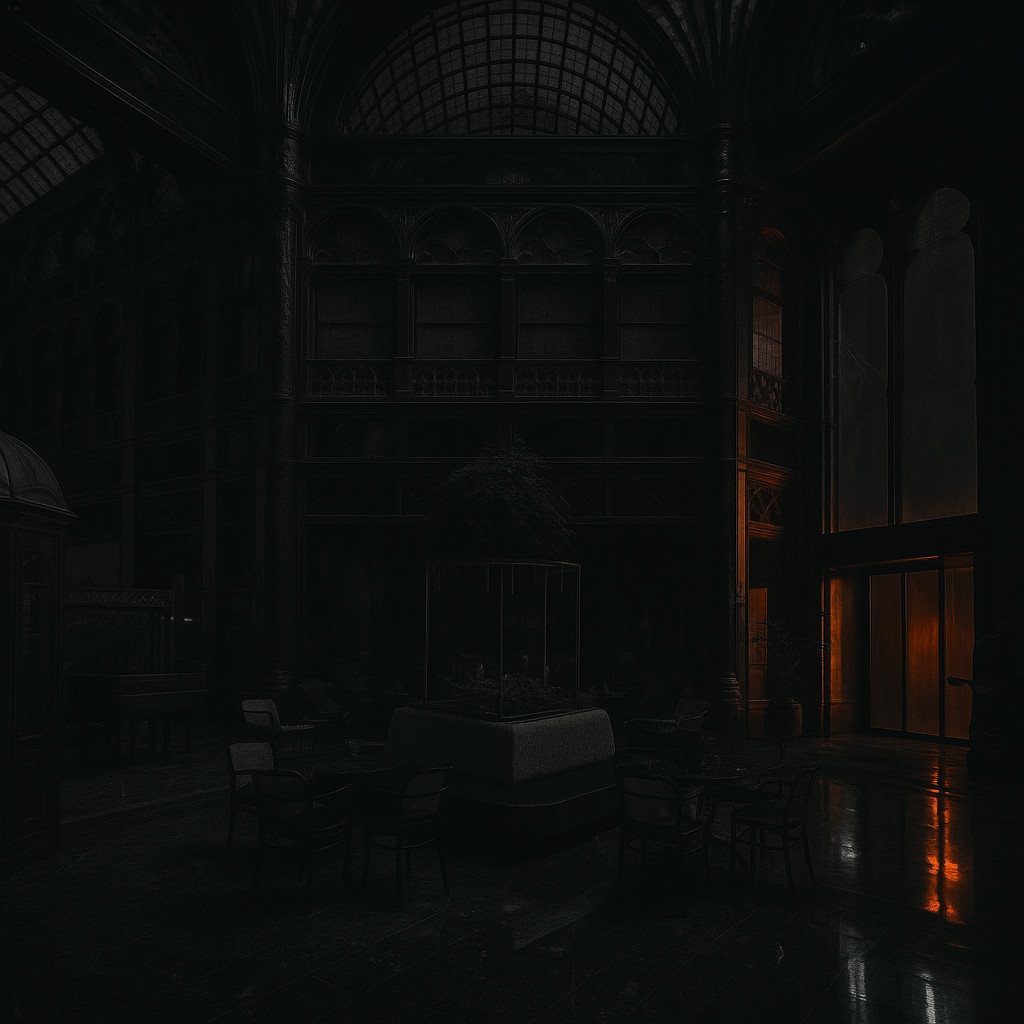
A Palace Reborn
In the very heart of Budapest, where history whispers through every street corner, stands one of the city’s most breathtaking architectural treasures: Párisi Udvar Hotel Budapest.
This is not merely a hotel — it is a journey into the golden age of European elegance. Beneath its crystalline domes and Moorish arches, visitors step into a world where light dances across colored glass, and the past lingers in every reflection.
The building’s story is as intricate as its façade. Originally constructed between 1909 and 1913, the Párisi Udvar (meaning Parisian Court) was designed by Hungarian architect Henrik Schmahl, who fused Art Nouveau with Neo-Gothic and Moorish styles. The result was a dazzling architectural fusion that quickly became one of Budapest’s most admired landmarks.
From Arcade to Icon
Before it became the luxurious Párisi Udvar Hotel, the building was a commercial passage — a covered arcade inspired by the grand shopping galleries of Paris. Its glass ceilings and iron framework allowed sunlight to cascade over small boutiques and cafés, turning daily shopping into an experience of wonder.
During the 20th century, however, war and neglect dimmed its brilliance. Decades of dust and silence covered its once luminous mosaics. For a time, few could imagine that this faded arcade would ever shine again.
Then, in 2019, after years of meticulous restoration, the building reopened as a five-star hotel under the Unbound Collection by Hyatt. The rebirth was nothing short of spectacular — every tile, arch, and lantern was restored with devotion to its original glory. Today, it stands not only as a symbol of Budapest’s architectural splendor but also of its resilience.
A Jewel of Art Nouveau
Párisi Udvar Hotel Budapest is a masterclass in Art Nouveau craftsmanship. The façade bursts with carved stone, ornate balconies, and geometric tiles that shimmer under daylight. Inside, the grandeur deepens — crystal chandeliers hang from Moorish vaults, stained-glass windows filter golden light across marble floors, and the famous glass dome crowns the central atrium with a celestial glow.
Visitors often find themselves standing still in silence, gazing upward at the kaleidoscope of colors that shift with the passing sun. The sensation is not unlike standing inside a cathedral — not of religion, but of art and light.
For photography lovers, this is one of Budapest’s must-see interiors. Every angle tells a different story: the interplay of patterns, the rhythm of arches, and the quiet balance between history and luxury.
The Heart of Downtown Budapest
Located on Petőfi Sándor Street, steps away from Váci Street and the Elizabeth Square, the hotel occupies one of the most vibrant corners of downtown Pest. From here, you can easily explore many of the city’s highlights on foot.
Just a few minutes’ walk will take you to the Danube Promenade, where the Parliament’s reflection glows across the water, or to the grand St. Stephen’s Basilica.
For first-time visitors, joining a Budapest Walking Tour is the ideal way to connect the city’s landmarks, including Párisi Udvar’s ornate façade, into a living story that unfolds through the streets.
Inside the Palace
Every detail inside the hotel reflects the craftsmanship that defined the early 1900s. The Dome Lobby, covered in mosaics and framed by Gothic ribs, feels like a space suspended in time. Columns of deep marble hold up stained glass ceilings that shimmer in hues of amber and emerald.
The Párisi Passage Café & Brasserie revives the spirit of the original arcade, offering Hungarian and international dishes beneath ceilings that glow with soft gold light. The air carries the scent of roasted coffee and pastry — an echo of the café culture that once defined Budapest’s Belle Époque.
The rooms themselves blend historic charm with modern elegance: handcrafted woodwork, velvet textures, and warm tones that match the soft glow of the city’s night skyline. From the upper floors, guests can glimpse the rooftops of Pest and the distant outline of the Buda Hills — a reminder that history and modernity coexist in harmony.
The Soul of a City Reflected
To understand Párisi Udvar Hotel Budapest, one must see it not only as a building but as a metaphor for the city itself. Budapest has endured empires, wars, and revolutions — yet each time, it rises, restoring its beauty with even greater brilliance. The hotel’s rebirth is part of that same story.
Standing beneath its glass dome at night, with the chandeliers glowing like constellations, you can feel the pulse of the city — that quiet pride, that eternal elegance that defines Budapest.
Beyond the Façade
Outside its doors, the rhythm of the city continues. The nearby Váci Street remains Budapest’s most famous pedestrian avenue, filled with cafés, shops, and street musicians. At dusk, when the golden light fades over the rooftops, the façades of the surrounding buildings echo the style and splendor of the Párisi Udvar — a reminder that Budapest is a living museum of architecture.
For those seeking more than just luxury, a walk through the surrounding streets reveals some of the city’s hidden gems — small courtyards, forgotten statues, and fragments of the city’s layered history waiting to be rediscovered.
A Modern Legend
Today, Párisi Udvar Hotel Budapest has become more than a destination for travelers; it’s an emblem of rebirth and artistic excellence. Whether you stay in one of its suites, enjoy a coffee beneath its mosaics, or simply pass through its doors to admire its beauty, the experience leaves an impression that endures long after you leave.
Every traveler who visits Budapest, even for a single day, should make time to step inside this palace of light — a bridge between centuries, where past and present meet in perfect symmetry.
And as you continue your exploration, remember that the best way to feel the essence of the city is still to walk it — to follow its avenues, cross its bridges, and breathe its stories on a walking tour in Budapest.
Párisi Udvar Hotel Budapest — Location on the Map
Located in the heart of downtown Budapest, the Párisi Udvar Hotel dazzles visitors with its glass dome, ornate mosaics, and intricate details. Once a historic shopping arcade, today it stands as one of the city’s most luxurious hotels and a shining example of Hungarian Art Nouveau architecture.