The High Ground of Budapest
Above the western skyline of Budapest, where the air cools and the noise fades, lies Normafa Viewpoint Budapest — one of the city’s most peaceful escapes. From its forested slopes, you can see the Danube glimmering between Buda’s hills and the Parliament glowing in the distance.
Locals come here to walk and breathe fresh air. Travelers arrive for the view but stay for the calm. Once you reach the top, the busy streets below seem far away, replaced by silence and wind.
The Legend and the Name of Normafa
The name Normafa (“Norma Tree”) comes from a beech tree that once stood proudly on this hill. According to legend, the opera singer Róza Széppataki Déry performed an aria from Bellini’s Norma beneath its branches in 1840. The story spread quickly, and the hill became known as Normafa.
Although the original tree has vanished, a new one stands in its place, symbolizing continuity. During the 19th century, the Buda Hills became a refuge for nobles escaping the city heat. When the Cogwheel Railway opened in 1874, Normafa turned into a beloved weekend destination for all citizens.
Forest Trails, City Views and the Chairlift
At Normafa Viewpoint Budapest, nature and city coexist in harmony. Forest trails weave through beech and oak trees, leading to small clearings that reveal the skyline of Pest. Wooden benches invite visitors to rest and look across the Danube.
From the main viewpoint, the panorama stretches endlessly — the Citadella on Gellért Hill, the Buda Castle, and the Pilis Mountains on clear days. The mix of forest silence and city sparkle creates an unforgettable contrast.
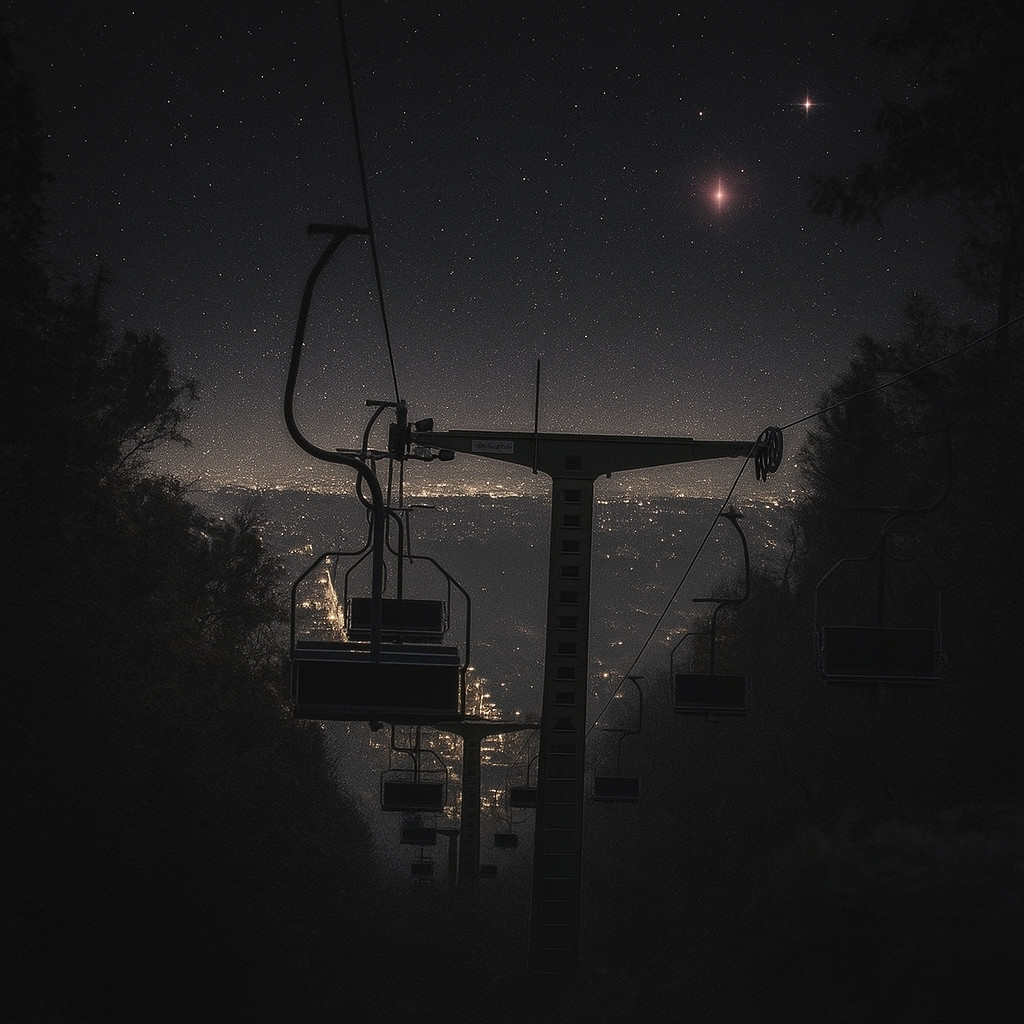
One of the most scenic experiences here is the Chairlift (Libegő), which glides slowly between János Hill and the valley below. During the ride, the whole of Budapest opens beneath your feet — forests, lights, and rooftops blending into one breathtaking landscape. Whether by day or under the stars, the chairlift offers a unique perspective of the city’s harmony with nature.
Several paths also start here, leading toward Elizabeth Lookout Budapest, the highest point of the capital. The marked trails allow easy walks or longer hikes, depending on your pace and curiosity.
Normafa Viewpoint Budapest Through the Seasons
Every season transforms Normafa into a new experience.
- Spring brings wildflowers, birds, and fresh air.
- Summer fills the meadows with families and picnics.
- Autumn paints the forest in gold and red, turning every path into a living painting.
- Winter covers the hill in snow, welcoming skiers and sleds.
Each visit feels unique. Regardless of the season, the air here feels cleaner and the horizon wider.
Hiking Beyond Normafa
Many visitors continue from Normafa Viewpoint Budapest toward Elizabeth Lookout on János Hill. The lookout tower, built in 1911, stands as a stone crown over the forest. From its terrace, the view of Budapest stretches as far as the Tatra Mountains on clear days.
Those seeking a gentler route can walk toward Anna-rét, a meadow surrounded by pine trees, ideal for picnics. Nearby, the Children’s Railway — operated by schoolchildren since 1948 — winds through the woods, linking Normafa with Széchenyi Hill and Hűvösvölgy. Its slow rhythm fits the relaxed spirit of the Buda Hills.
Cafés and Local Flavors Near the Viewpoint
After walking the trails of Normafa Viewpoint Budapest, you can reward yourself with a pastry or hot drink. Small kiosks and cafés line the main path, offering warm strudel (rétes) with apple, poppy seed, or cottage cheese fillings.
The Normafa Ski House serves traditional soups and Hungarian dishes. Sitting here with a cup of tea, watching the sunset over the city, is one of Budapest’s quietest pleasures. As the lights of Gellért Hill appear in the distance, the day ends with perfect calm.
How to Reach Normafa Viewpoint Budapest
Getting to Normafa Viewpoint Budapest is part of the adventure. The Cogwheel Railway (Városmajor–Széchenyihegy line) provides a scenic route through forested slopes. From the last stop, the viewpoint is only a ten-minute walk.
Alternatively, bus 21 or 21A from Széll Kálmán Square climbs directly to the top. For a more nostalgic journey, take the Children’s Railway from Hűvösvölgy, which slowly crosses the Buda Hills, offering charming glimpses of the city below.
The Chairlift (Libegő) can also be accessed from Zugliget, carrying visitors up the hillside in about twelve minutes. It’s a serene, almost dreamlike ride — especially at sunset, when Budapest begins to sparkle beneath you.
Nearby Highlights in the Buda Hills
The surroundings of Normafa Viewpoint Budapest connect naturally with other scenic spots:
- Elizabeth Lookout Budapest — the highest tower in the city.
- Gellért Hill Budapest — home of the Liberty Statue and the Citadella.
- Margaret Island Budapest — a peaceful island in the heart of the Danube.
- Best Sunset Spots in Budapest — for more panoramic inspiration.
Each place complements Normafa, showing a different perspective of Budapest’s natural beauty.
The Spirit of the Hills
In essence, Normafa Viewpoint Budapest is more than a destination — it is a reminder that peace lies just above the city. Standing here, surrounded by trees and open sky, you realize how close nature still is.
As the wind moves through the leaves and the skyline fades into dusk, you understand why generations of locals have come here to think, rest, and breathe. Budapest may be a city of lights and history, but from Normafa, it becomes a landscape of silence and horizon.
Normafa Viewpoint Budapest — Location on the Map
High above the city, Normafa is where Budapest breathes — a peaceful retreat with trails through ancient trees, picnic spots, and endless views stretching to the horizon. It’s the capital’s most scenic balcony and a favorite escape for nature lovers year-round.