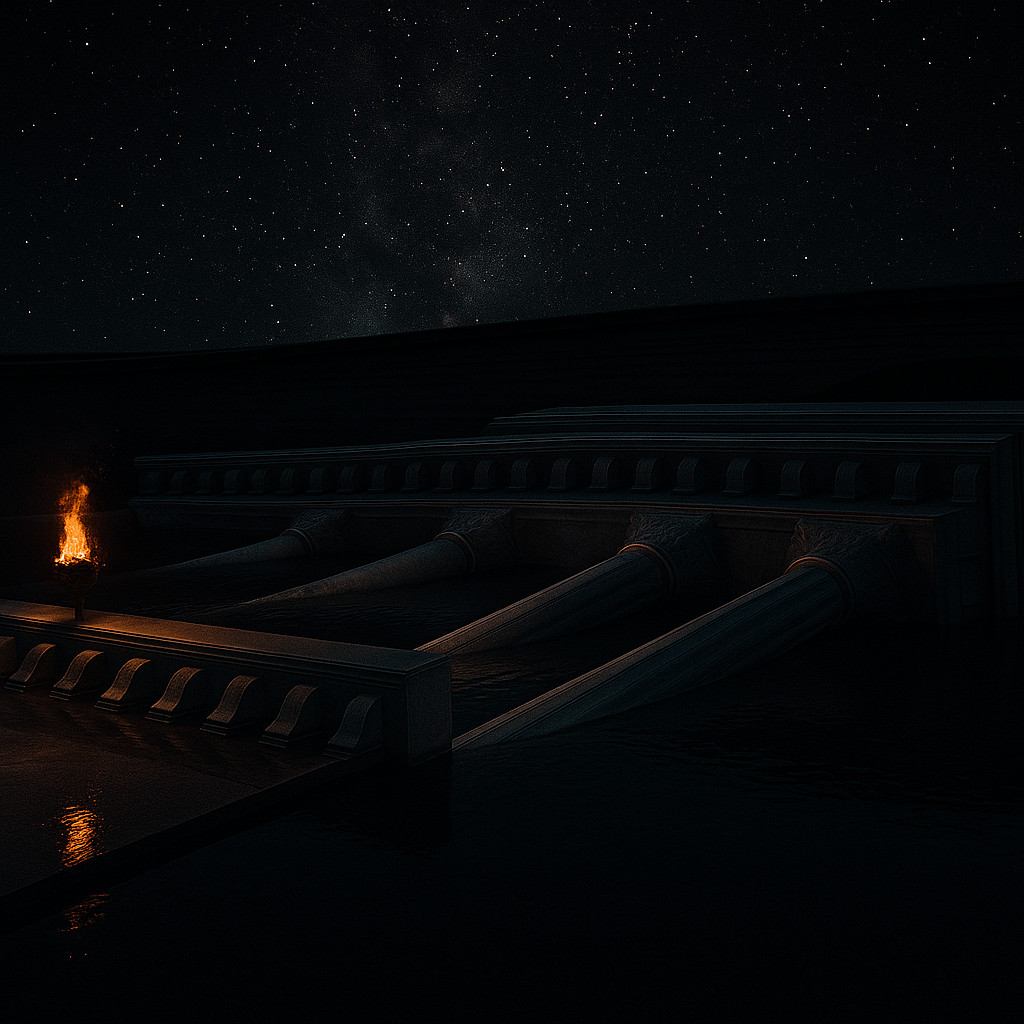
Standing beside the Danube, National Theatre Budapest is more than a building — it is a symbol of artistic rebirth. Its bold curves, mirrored waters, and dramatic sculptures merge modern architecture with Hungary’s long devotion to theatre and poetry. Since its opening in 2002, the theatre has become a cultural landmark, connecting past and present through art.
A Dream Long Awaited
The vision for a National Theatre in Budapest began in the 1830s. Hungarian intellectuals dreamed of a temple for their language and art, a stage that would express the nation’s identity. Yet, wars and politics delayed the dream for more than a century. Only after the fall of communism did it finally come to life — not as a classical monument, but as a bold new statement of freedom.
Designed by architect Mária Siklós, the building resembles a ship sailing on the Danube, symbolizing Hungary’s cultural journey. Its surrounding park acts as an open-air stage, filled with statues of playwrights and mythic figures. Every path and sculpture speaks of history and imagination intertwined.
The Architecture of Symbolism
Every line of National Theatre Budapest carries meaning. The glass façade represents transparency — a dialogue between the stage and society. The curved roof resembles a ship’s hull, suggesting movement and continuity. Inside, warm wood tones meet advanced acoustics, creating a space where tradition and innovation coexist.
Outside, a shallow lake mirrors the structure. Its surface, shaped like a stage curtain, evokes the thin line between illusion and reality — the essence of theatre itself.
Nearby, the Müpa Palace of Arts Budapest expands this idea of a cultural quarter. Both institutions form a powerful duet of art, sound, and light.
Müpa Palace of Arts Budapest — Where Sound Becomes Sacred
A Theatre for Everyone
Unlike many grand European theatres, National Theatre Budapest is open to all. Its mission is not only to host famous plays but also to revive forgotten Hungarian works and inspire new voices. Each season brings a mix of classical drama, modern reinterpretations, and experimental productions.
The main stage and the open-air amphitheatre host performances from spring to autumn. On warm nights, the Danube reflects the glow of the lights, turning every performance into a scene of its own.
For schedules and tickets, visitors can check the official website: nemzetiszinhaz.hu.
The Theatre Park Experience
Before entering the building, explore the Theatre Park. It is a poetic garden where fragments of history rise again. Sculptures of playwrights and poets stand beneath willow trees, while remains of long-lost Hungarian theatres are built into the walls and paths.
At the center, a ship-shaped sculpture bears the names of theatres destroyed by war or time — a silent tribute to perseverance. This park, free to visit, connects art with reflection. It’s ideal for a calm walk along the Danube Promenade.
Best Spots Along the Danube Promenade
How to Get There
National Theatre Budapest stands on the Pest side, at 1 Bajor Gizi Park, near the Rákóczi Bridge. From the city center, tram line 2 follows the Danube and offers a scenic ride with panoramic views. Get off at Millennium City Center, then walk just a few minutes through the park.
If you prefer walking, you can reach it by following the riverside path that connects several architectural landmarks, including the Liberty and Petőfi Bridges.
Bridges of Budapest — Stories Across the Danube
The Cultural Quarter
Next to the theatre, the Müpa Palace of Arts and the Ludwig Museum of Contemporary Art complete Budapest’s modern cultural triangle. Visitors can spend an afternoon between exhibitions, concerts, and cafés overlooking the river.
The area reflects a dialogue of opposites — heavy stone against glass, silence beside music, tradition alongside bold experimentation. At night, their lights form glowing reflections on the Danube, reminding us that culture and beauty are inseparable in this city.
Why It Matters
National Theatre Budapest stands for more than art. It represents perseverance and national pride. For decades, Hungarians debated how and where to build it. When it finally opened, it became a symbol of freedom — proof that creativity endures through history’s storms.
Standing before its façade, you feel its message. It invites you to imagine, to remember, and to believe that culture can unite people beyond time or language. In a city where history breathes through every stone, this theatre speaks about renewal.
Nearby Highlights
- Gellért Thermal Bath Budapest — Art Nouveau Elegance and Healing Waters
- Vajdahunyad Castle — Museum of Hungarian Agriculture
- Heroes’ Square Budapest — Where History Bows to Heroes
- Müpa Palace of Arts Budapest — Where Sound Becomes Sacred
Each of these landmarks reflects Budapest’s balance between grandeur and emotion — just like the National Theatre itself.
Conclusion: The Stage of a Nation
Visiting National Theatre Budapest means witnessing Hungary perform its own story — one of endurance, creativity, and identity. As night falls and the torchlight flickers on the water, the building becomes more than architecture; it becomes a living metaphor for art’s eternal light.
In Budapest, where the Danube divides but also connects, the theatre reminds us that imagination remains the bridge between the past and the future.
National Theatre Budapest — Location on the Map
Overlooking the Danube, the National Theatre of Budapest is both a stage and a symbol — a fusion of architecture and emotion. Its grand façade, reflecting pools, and open-air amphitheater create a space where performance and heritage converge in an atmosphere of national pride and creative passion.