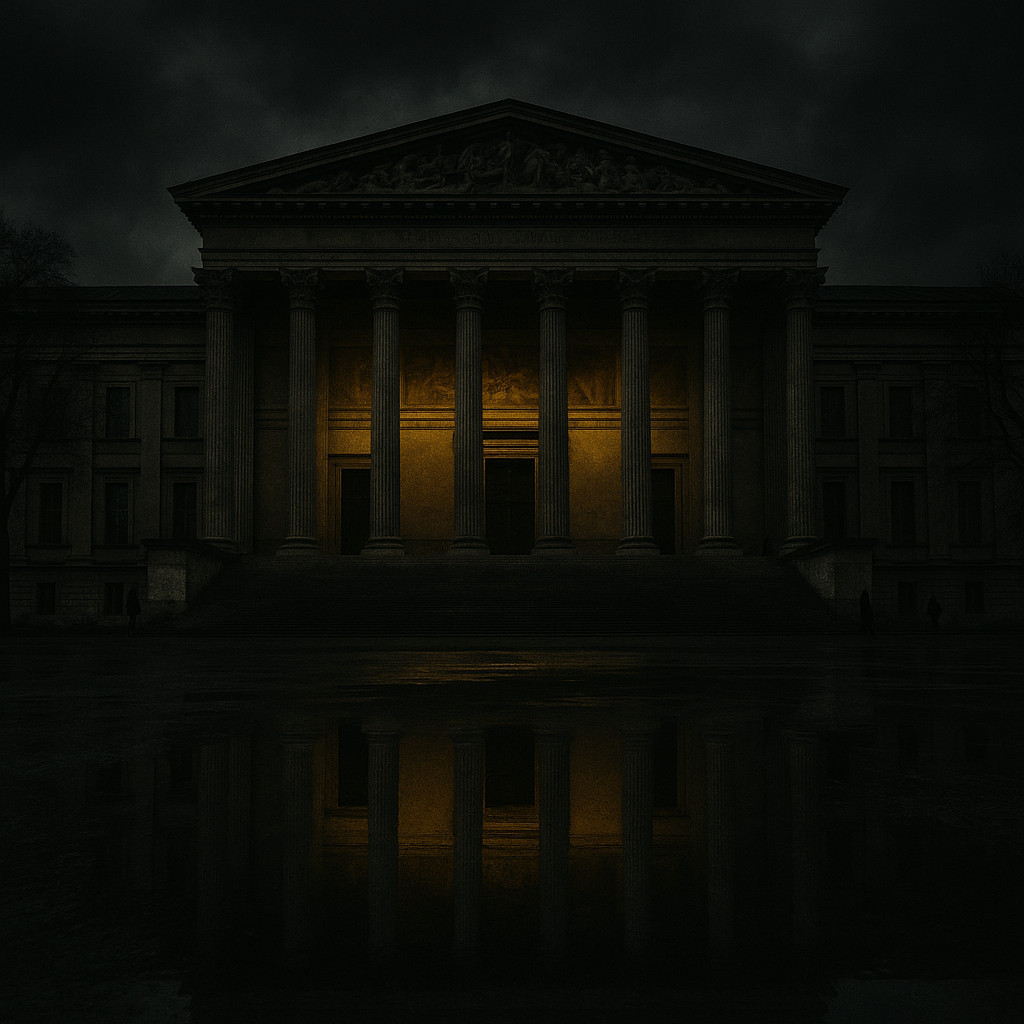
Budapest is not just a city of bridges and baths — it is a living museum. Every façade and street whispers stories of art, struggle, and rebirth. To truly understand Hungary’s essence, step inside its museums in Budapest. They reveal a culture that has endured invasions, revolutions, and renewal, while keeping its creative heart beating.
A City Built on Memory and Imagination
The Hungarian capital is filled with museums that mirror its complex past. Some celebrate beauty; others confront pain. Each one tells a story of resilience.
You’ll find many of the museums in Budapest near Heroes’ Square, Andrássy Avenue, and Castle Hill — all districts where architecture and history merge seamlessly. Exploring them is like walking through chapters of a national epic.
Andrássy Avenue Budapest — The Grand Boulevard of Elegance
Museum of Fine Arts — The Great Collection
The Museum of Fine Arts Budapest is the crown jewel of Hungarian culture. Located on Heroes’ Square, its neoclassical façade hides treasures from six centuries of art. Inside, you’ll find works by Raphael, Goya, El Greco, and Rembrandt.
Its galleries also feature an impressive Egyptian collection and Renaissance sculptures. After the museum’s renovation, natural light floods the halls, enhancing every painting’s depth and emotion.
When you step outside, Heroes’ Square itself becomes a monument to Hungarian pride.
Heroes’ Square Budapest — Where History Bows to Heroes
Museum of Fine Arts Budapest — Location on the Map
Overlooking Heroes’ Square, the Museum of Fine Arts is a neoclassical gem filled with artistic treasures. Its vast halls and grand architecture make it not only a cultural landmark but also one of Europe’s most captivating art destinations.
Hungarian National Museum — The Soul of a Nation
The Hungarian National Museum stands as a temple of history. Founded in 1802, it preserves artifacts that define the country’s identity — from medieval relics to revolutionary banners.
Its neoclassical design and monumental staircase give the feeling of entering a sanctuary. Inside, the exhibits tell stories of kings, poets, and freedom fighters who shaped Hungary’s destiny. The museum’s courtyard is a peaceful oasis in the city center — the ideal spot to reflect on all you’ve seen.
This is the museum where the nation remembers itself.
Hungarian National Museum — Location on the Map
In the heart of Budapest stands the Hungarian National Museum, a symbol of the country’s history, art, and independence. Its majestic columns and grand staircase lead to galleries filled with relics of kings, revolutions, and the timeless story of a nation that refused to fade.
House of Terror Museum — Dark Lessons of the 20th Century
Few places are as haunting as the House of Terror Museum. Located on Andrássy Avenue, the building once housed both Nazi and Soviet secret police. Its exhibitions immerse visitors in the fear, propaganda, and resistance of the 20th century.
Walking through its corridors, you feel the weight of history. Audio recordings, survivor stories, and original rooms reveal how fragile freedom can be. It is not easy to visit, but it is essential.
House of Terror Museum Budapest — Location on the Map
On the iconic Andrássy Avenue stands the House of Terror, a chilling museum that confronts Hungary’s most painful past. Its stark façade and immersive exhibitions chronicle the oppressive regimes that scarred the 20th century, inviting visitors to remember — and to never forget.
Ludwig Museum — Modern Voices on the Danube
Next to the Müpa Palace of Arts, the Ludwig Museum of Contemporary Art celebrates art without borders. Its glass façade overlooks the Danube, while inside, pop art, photography, and installations speak of modern life and rebellion.
The museum holds works by Andy Warhol, Picasso, and many Central European artists who shaped post-communist creativity. It’s where Budapest’s artistic pulse meets the river’s reflection — modern, free, and daring.
National Theatre Budapest — Where Architecture Meets Art
Ludwig Museum Budapest — Location on the Map
Inside the Palace of Arts, the Ludwig Museum stands as Budapest’s beacon of modern and contemporary art. Its airy galleries and international exhibitions make it a must-visit for anyone seeking the pulse of Hungary’s creative scene along the shimmering Danube.
Hospital in the Rock — Humanity Underground
Hidden beneath Castle Hill, the Hospital in the Rock Budapest tells a story of courage. During World War II and the 1956 Revolution, doctors and nurses worked here under impossible conditions. Later, it became a Cold War nuclear shelter.
Visitors walk through tunnels filled with preserved medical equipment and wax figures that recreate its past. The temperature never changes — a chilling detail that deepens the sense of time standing still.
Buda Castle Labyrinth | Tunnels Beneath the Palace
Hospital in the Rock Budapest — Location on the Map
Hidden beneath Buda Castle, the Hospital in the Rock reveals Budapest’s underground world of wartime heroism. This once-secret emergency hospital and nuclear bunker now serves as a moving museum, honoring those who risked everything to protect life in the darkest of times.
Hungarian National Gallery — Art with a View
Perched inside Buda Castle, the Hungarian National Gallery offers both art and panorama. Its vast halls present medieval altarpieces, romantic landscapes, and bold contemporary paintings.
From the castle’s dome, you’ll see the Danube winding between Buda and Pest — the same river that has inspired Hungarian artists for centuries.
Walking Through Buda Castle District
Hungarian National Gallery — Location on the Map
Set atop Buda Castle Hill, the Hungarian National Gallery combines world-class art with one of the city’s most spectacular panoramas. Visitors can admire centuries of Hungarian creativity while gazing out across the Danube to the glittering roofs of Pest below.
Vajdahunyad Castle — Museum of Hungarian Agriculture
In City Park, the Vajdahunyad Castle looks like something from a fairy tale. Yet inside lies the Museum of Hungarian Agriculture, the largest of its kind in Europe. Its exhibitions celebrate rural life, winemaking, and traditions that built the nation.
The castle’s mix of Gothic, Renaissance, and Baroque styles was designed to showcase Hungary’s architectural evolution. Visiting it feels like stepping into a storybook surrounded by trees and lakes.
City Park (Városliget)
Vajdahunyad Castle Budapest — Location on the Map
Standing like a dream in City Park, Vajdahunyad Castle is one of Budapest’s most romantic landmarks. Built in 1896, it houses the Museum of Hungarian Agriculture and showcases centuries of history, art, and architecture beneath its enchanting towers and ivy-covered walls.
Budapest Railway Museum — The Age of Steam
For a touch of nostalgia, visit the Budapest Railway Museum. This open-air attraction displays dozens of historic locomotives that once connected Hungary to the rest of Europe.
You can climb inside the engines, explore carriages, and even take a short ride. It’s perfect for families and anyone fascinated by the golden era of travel.
Budapest Railway Museum — Location on the Map
Step into the age of steam at the Budapest Railway Museum, where historic locomotives and classic engines come back to life. Perfect for families, enthusiasts, and dreamers alike, this open-air museum captures the industrial spirit that once powered Hungary’s golden era of rail.
Underground Railway Museum — Budapest’s First Metro Line Exhibition
The Underground Railway Museum in Budapest offers a fascinating look into the history of the Millennium Underground, the oldest subway line in continental Europe. Located beneath Deák Ferenc Square, the museum preserves original carriages, technical equipment, and detailed exhibits that explain how the line was built in the late 19th century. Visitors can explore restored wagons, historical photographs, and interactive displays that reveal how Budapest developed one of the world’s earliest electric metro systems. It is a compact but immersive museum, perfect for anyone interested in transport history or the evolution of urban mobility in Budapest.
Underground Railway Museum Budapest — Location on the Map
Beneath the bustling Deák Ferenc Square lies a piece of history — the Underground Railway Museum, home to the first metro line in continental Europe. Visitors can explore restored carriages and discover how Budapest pioneered modern public transport more than a century ago.
Hidden Cultural Treasures
Budapest hides many smaller gems. The Szabó Ervin Library feels more like a baroque palace than a library, with chandeliers, woodwork, and golden light.
Meanwhile, the Kőbánya Cellars reveal an underground labyrinth once used for brewing beer and aging wine. These places remind visitors that Budapest’s art extends far beyond traditional museums.
Plan Your Route Wisely
Because the museums in Budapest are spread across both Buda and Pest, a little planning goes a long way. Begin your journey in Pest with the Museum of Fine Arts, the National Museum, and the House of Terror. Then cross to Buda for the Castle Hill attractions — the National Gallery and the Hospital in the Rock.
End your cultural day beside the Danube, where the Ludwig Museum and National Theatre glow after sunset. It’s a route that traces both Hungary’s history and its hope for the future.
Nearby Highlights
- Heroes’ Square Budapest — Where History Bows to Heroes
- Andrássy Avenue Budapest — The Grand Boulevard of Elegance
- Walking Through Buda Castle District
- National Theatre Budapest — Where Architecture Meets Art
Each connects with Budapest’s grand narrative — a place where art and memory meet under timeless architecture.
Conclusion: The City as a Museum
To explore the museums in Budapest is to explore the heart of Hungary. Each hall, tunnel, and gallery reveals a different shade of its identity — tragic, beautiful, and enduring.
Budapest itself is a museum without walls. Whether you stand in the quiet of the National Gallery or the shadows of the House of Terror, you will feel the same truth: this city does not just preserve history — it lives it.