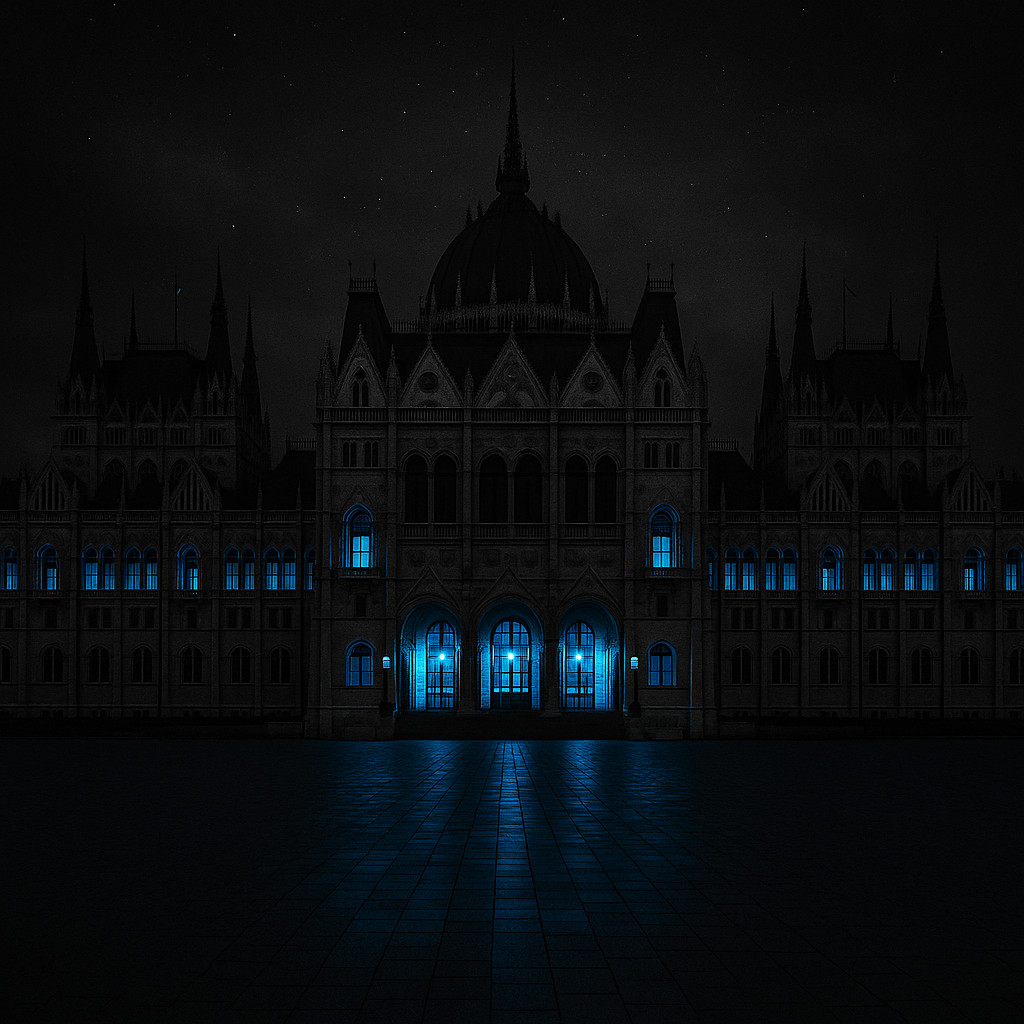
Few places in Hungary carry such gravity, beauty, and symbolism as Kossuth Lajos Square Budapest, the grand plaza that unfolds before the Hungarian Parliament Building.
Here, every stone, statue, and shadow tells the story of a nation that has fought, fallen, and risen again. This is not merely a square — it is the stage of Hungary’s democracy, its memory, and its hope.
Where History Meets Majesty
Located along the Danube’s eastern bank, Kossuth Lajos Square lies in the heart of the city’s political and architectural identity. The Hungarian Parliament Building dominates the scene, its Gothic Revival spires mirrored in the river.
The square was named after Lajos Kossuth, the leader of Hungary’s 1848 Revolution — a man whose vision of freedom still echoes through the capital. His statue stands tall among others who shaped the country’s destiny, their bronze silhouettes cast against the limestone façade of Parliament.
Few European capitals possess a public space that combines such power and serenity. When you stand here, surrounded by history and light, you feel both humbled and inspired — as if Budapest itself is speaking through marble and silence.
The Parliament and Its Symbolism
Every visitor to Kossuth Lajos Square Budapest is drawn to the Parliament’s grandeur. Built between 1885 and 1904, it was designed by Imre Steindl to celebrate the nation’s millennium — and it still stands as one of the largest and most beautiful parliamentary buildings in the world.
Its central dome rises 96 meters high, symbolizing the year 896 AD when the Magyars arrived in the Carpathian Basin. Around its exterior, 88 statues of Hungarian rulers, military leaders, and saints look down upon the square — silent witnesses to centuries of struggle and rebirth.
From here, the Chain Bridge and Shoes on the Danube Bank are just a short walk away, creating a continuous path through Budapest’s most meaningful landmarks along the river.
Statues of Courage and Memory
The square itself is an open museum of Hungarian history. Its centerpiece, the Kossuth Memorial, depicts the revolutionary leader surrounded by his comrades — a vision of idealism cast in stone. Their expressions are defiant yet human, their stances heroic yet weary.
To one side stands the Rákóczi Statue, honoring Francis II Rákóczi, the nobleman who led an earlier fight for independence against the Habsburgs. On the other, the Attila József statue offers a quiet contrast — the poet sits near the river, gazing toward the Parliament, his verses immortalizing both pride and melancholy.
These sculptures are not mere ornaments; they are chapters of a living chronicle. When dusk falls, the floodlights ignite the bronze with a soft golden glow, and the square becomes a theater of memory.
The Flame of the Unknown Soldier
In front of the Parliament burns the Eternal Flame of Revolution, commemorating those who gave their lives during the uprising of 1956. It flickers day and night — a subtle yet powerful reminder of freedom’s price.
Locals often stop here in silence, laying flowers or simply standing still. The contrast between the eternal fire and the cold stone surroundings gives the place a spiritual resonance that no guidebook can describe.
Architectural Harmony Around the Square
Surrounding Kossuth Lajos Square are some of Budapest’s most important institutions: the Museum of Ethnography, the Agriculture Ministry, and stately government buildings that reflect the late-19th-century style of the capital.
From the square, you can look across the Danube to Buda Castle, shimmering on its hilltop. In the other direction, Andrássy Avenue stretches toward Heroes’ Square, connecting the monuments of kings and patriots in a single visual axis.
It’s a reminder that Budapest is not two cities divided by the river — it is one spirit joined by purpose.
The Square Today
After its full renovation in 2014, Kossuth Lajos Square regained its historical form and dignity. The project restored original sculptures, added subtle lighting, and reopened green lawns and fountains once closed to the public.
Today, it’s both ceremonial and accessible. Children run where parades once marched; couples sit on benches facing the Parliament’s reflection in the Danube. The atmosphere feels free — precisely what Kossuth would have wanted.
If you visit during sunset, the square glows with a surreal beauty: the Parliament’s façade blazes orange, the river turns bronze, and the first stars rise above the spires. For photographers and dreamers alike, it’s one of the Best Sunset Spots in Budapest.
How to Visit
You can reach Kossuth Lajos Square Budapest directly via Metro Line M2 (station: Kossuth Lajos tér). Trams 2 and 2M also stop here, offering one of the most scenic rides along the Danube.
Early morning visits reveal a quieter side of the square, while evenings showcase its illuminated splendor. From here, continue your walk toward the Danube Promenade or cross to the Liberty Bridge for a panoramic view back toward the Parliament’s crown.
A Living Symbol
More than a landmark, Kossuth Lajos Square embodies the Hungarian spirit: proud, poetic, and enduring. It’s where citizens gather for national holidays, where the past meets the present, and where the ideals of liberty and democracy are renewed each day.
Standing here, you feel the dialogue between architecture and ideals, between the flame that never dies and the people who keep it alive.
This is Budapest’s front yard — solemn, beautiful, eternal.
Kossuth Lajos Square Budapest — Location on the Map
Framed by the magnificent Parliament Building and the Danube, Kossuth Lajos Square is the symbolic center of Hungary’s political life. Its statues, open vistas, and national monuments tell the story of a country proud of its heritage and resilience, making it a must-visit landmark in Budapest.