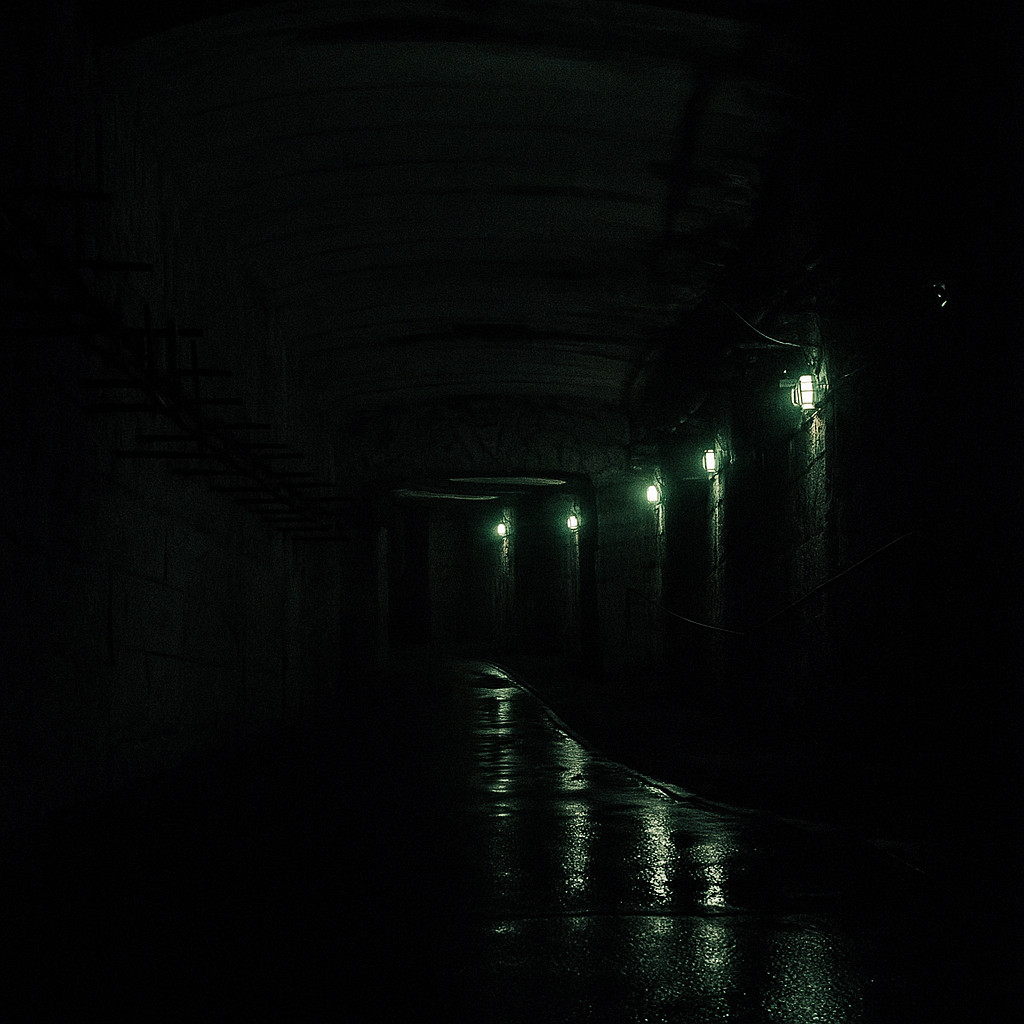
Beneath the City of Light
Few visitors know that below the calm streets of Budapest lies another city — dark, silent, and filled with echoes of centuries past. The Kőbánya Cellars Budapest, stretching under the 10th District, form one of the largest and most mysterious underground networks in Europe. Once a limestone quarry, later a beer factory, and now an urban legend, this subterranean labyrinth hides the memory of an industry that helped shape the city above.
Stepping inside feels like crossing into another world. The temperature drops, the air thickens, and the city’s noise fades. What remains is stone, history, and the quiet hum of time.
The Origins of Kőbánya
The word “Kőbánya” literally means stone quarry, and the district’s name tells its story. As early as the Middle Ages, workers extracted limestone from these grounds to build Buda Castle, Matthias Church, and many other landmarks that still define Budapest today.
By the 18th and 19th centuries, the quarries expanded into vast caverns, some more than 10 meters high. When the stone ran out, the tunnels were abandoned — but their cool, constant temperature made them perfect for a new purpose: brewing beer.
The Beer Empire Beneath Budapest
In the 1800s, as Budapest industrialized, Kőbánya became the center of Hungarian brewing. The natural caves were transformed into cellars where beer could ferment and age at an ideal, stable temperature of 10°C year-round.
Soon, the Dreher Brewery — one of Europe’s most famous beer brands — took root here. Massive oak barrels, cold stone walls, and miles of tunnels formed an underground city dedicated to the art of brewing.
To this day, the aroma of yeast and barley seems to linger in the air. The Dreher Museum, located nearby, preserves this heritage, offering visitors a chance to see the tools, bottles, and machines that once supplied half of Central Europe with Hungarian beer.
The Underground Cathedral
Walking through the Kőbánya Cellars Budapest, you encounter colossal vaulted chambers carved directly into limestone. Light seeps in through small shafts, creating golden streaks across the rough walls. Some passages are narrow and echo with every footstep; others open into spaces large enough to fit a church.
Locals call one of these chambers the “Underground Cathedral” — a hall so immense that concerts have been held there, its acoustics amplifying every sound into something almost sacred.
It’s hard not to feel awe here. The walls, covered in mineral formations, tell stories of centuries of water, stone, and human hands shaping the depths.
Hidden History and Cold War Secrets
The Kőbánya tunnels have seen more than beer and stone. During World War II, they served as shelters and storage spaces for military supplies. Later, during the Cold War, several sections were sealed off and repurposed by the Hungarian army.
Rumors persist of hidden laboratories and secret government facilities buried deeper still — tunnels that have never been reopened. Some explorers claim to have found bricked-up doors and heavy iron gates, adding to the air of mystery that defines this place.
Today, guided tours reveal only a fraction of the network, but even that portion is vast enough to inspire both fascination and unease.
The Modern Revival of Kőbánya
In recent years, the cellars have found a new identity. Artists, filmmakers, and event organizers have rediscovered their haunting beauty. Several music videos and movies have been filmed here, taking advantage of the natural atmosphere — half medieval, half post-apocalyptic.
Occasionally, cultural events and light installations illuminate the stone corridors, blending past and present in surreal contrast. The echoes of brewing carts are replaced by footsteps, laughter, and the quiet wonder of visitors seeing Budapest from beneath.
Just above ground, Kőbánya itself is transforming. Once a purely industrial district, it now mixes factory relics with creative spaces and street art. The neighborhood reflects the same resilience as the tunnels — rough, historical, and full of potential.
Visiting the Kőbánya Cellars Budapest
Access to the Kőbánya Cellars is limited, but guided tours are occasionally offered through local heritage associations or special events. Most tours begin near the Dreher Brewery, where the cellars connect to the historical production halls.
If you plan a visit, bring sturdy shoes and a jacket — temperatures remain cool even in summer. Photography is often allowed, but flash is discouraged to preserve the natural atmosphere.
For updated visiting information, check the brewery’s cultural programs or local event listings. Exploring the tunnels without a guide is not possible, both for safety and preservation reasons.
The Spirit of the Depths
What makes the Kőbánya Cellars Budapest unique is not only their scale but their spirit. They represent a cycle of transformation: from raw stone to grand architecture, from quarry to brewery, from ruin to rediscovered beauty.
In a city known for its baths, bridges, and elegant facades, Kőbánya offers a glimpse into something deeper — literally and metaphorically. It reminds visitors that Budapest’s story isn’t written only in light but also in shadow, where centuries of labor, art, and survival intertwine beneath the surface.
Related Places and Connections
Exploring Kőbánya Cellars complements other offbeat or hidden sites in the city:
- Hospital in the Rock Budapest — another underground labyrinth beneath Buda Castle, turned museum.
- Buda Castle Labyrinth — tunnels shaped by both history and legend.
- Kolodko Mini Statues Budapest — playful art hiding in plain sight, while Kőbánya hides its art underground.
- Citadella — above the city, offering light where Kőbánya offers shadow.
Together, these sites tell the full story of Budapest — a city of heights and depths, glory and silence.
Beneath the Surface
Standing in the half-darkness of the Kőbánya Cellars Budapest, you feel time stretch around you. Drops of water fall rhythmically from the ceiling. The air tastes of minerals and memory.
Somewhere above, the city moves — trams ring, cafés hum, lights shimmer over the Danube. But down here, all of that disappears. What remains is timeless — a hidden heartbeat beneath the streets of Budapest.
Kőbánya Cellars Budapest — Location on the Map
Beneath the district of Kőbánya lies an immense network of cellars that once supplied stone for the city and beer for its people. Today, the Kőbánya Cellars remain one of Budapest’s most intriguing underground sites — a place where history, architecture, and mystery converge beneath the surface.