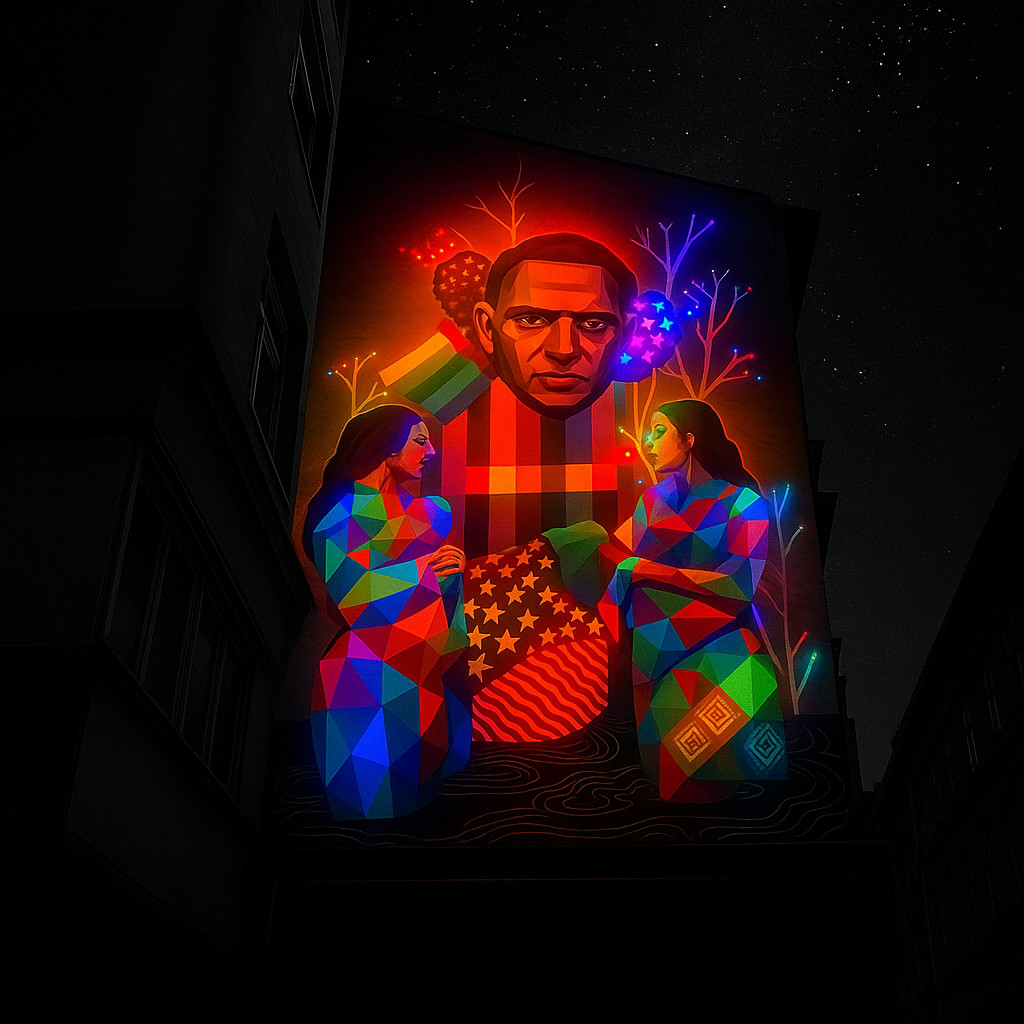
Where Budapest’s Soul Still Breathes
The Jewish Quarter of Budapest is more than a district — it’s a living palimpsest of memory, creativity, and resilience.
Walking through its narrow streets feels like turning the pages of a century-old diary, one that speaks of tragedy and rebirth in equal measure.
This neighborhood, known as Erzsébetváros, sits in the heart of Pest and was once the center of Jewish life before World War II.
Today, it has become Budapest’s most vibrant area — a fusion of culture, art, and nightlife where history and modernity coexist in striking harmony.
Join this Jewish Quarter Walking Tour to explore its hidden corners, synagogues, street art, and ruin bars — and to discover how Budapest has turned memory into life.
Synagogues and Stories
Your walk begins at Dohány Street Synagogue, the largest in Europe.
Its Moorish-style façade and golden domes symbolize both the grandeur and the pain of Budapest’s Jewish heritage.
The courtyard contains the Holocaust Tree of Life Memorial, where each silver leaf bears a name — a soul remembered.
A few blocks away lies the Rumbach Street Synagogue, smaller but equally haunting.
Restored with stunning colors and geometric patterns, it reflects the community’s perseverance.
Each stone here seems to whisper stories of endurance, faith, and identity.
If you follow the route further west, you’ll reach the Kazinczy Street Synagogue, the beating heart of the orthodox community.
Its turquoise façade and Art Nouveau interiors remind visitors that beauty can survive even after darkness.
Street Art and Living Walls
Once enclosed by the walls of the ghetto, these streets have become a canvas of expression.
Murals now cover façades that once bore bullet holes.
One of the most famous pieces depicts the Rubik’s Cube, a Hungarian invention symbolizing that “there’s always a solution.”
You can find more of these murals by following the Street Art in the Jewish Quarter route, where local and international artists leave traces of humor, protest, and hope.
Each artwork adds another layer to the district’s evolving story — the perfect metaphor for Budapest itself.
And if you look closely, you might spot one of the Kolodko Mini Statues hidden in plain sight.
Tiny sculptures peek from fences or benches, waiting to surprise those who still believe the city has secrets to share.
From Silence to Music — The Birth of the Ruin Bars
By nightfall, the Jewish Quarter transforms.
Abandoned buildings from the post-war era found new purpose as ruin bars — eclectic spaces filled with mismatched furniture, neon lights, and unfiltered creativity.
The pioneer among them is Szimpla Kert, the first ruin bar in Budapest and still the most emblematic.
It’s a labyrinth of art installations, vintage radios, and recycled chaos that somehow feels perfectly alive.
Here, locals and travelers share tables, stories, and songs until dawn.
A few blocks away, Füge Udvar offers a more intimate courtyard experience, with live music echoing under strings of warm lights.
And for a wild, multi-room adventure, the Instant-Fogas Complex combines bars, dance floors, and secret rooms — a night maze within the ruins of history.
For more inspiration, explore Ruin Bars Budapest, a full guide to these creative sanctuaries where the city’s pulse beats strongest.
Cafés, Culture, and Hidden Corners
Between drinks and murals, the Jewish Quarter also hides some of Budapest’s most charming cafés and bakeries.
Many are built in restored townhouses where the smell of coffee mixes with nostalgia.
It’s easy to lose track of time sitting by a window, watching life unfold in slow motion.
Walk toward Wesselényi Street and you’ll find small galleries showcasing local artists.
Their exhibits — photographs, ceramics, street collages — all reflect the same truth: this neighborhood thrives because it refuses to forget.
The area’s mix of spirituality and art creates a unique emotional rhythm, where reflection and celebration walk hand in hand.
Why Walk Here
The Jewish Quarter Walking Tour is not about checking off landmarks; it’s about understanding how a city heals itself.
Every step takes you deeper into Budapest’s identity — where remembrance doesn’t mean sorrow, but continuity.
You’ll see how locals transformed destruction into creation, how walls turned into murals, and how silence became music.
It’s one of the few places where you can feel history not as a weight, but as energy flowing through every corner.
Join the Walk
Exploring this district on your own is fascinating, but walking with someone who knows its stories brings it to life in an entirely new way.
That’s why we invite you to join our Budapest Walking Tour — the best way to uncover the real city behind the guidebooks.
Our tours blend history, culture, and emotion.
We walk not only through the Jewish Quarter, but through the living memory of Budapest itself — from synagogues and street art to the ruin bars that define its modern spirit.
The Light That Remains
As you finish your walk, the streets begin to glow — yellow light on cobblestones, music in the distance, laughter escaping through open doors.
The contrast between memory and life is what makes the Jewish Quarter unforgettable.
In Budapest, the past doesn’t disappear.
It transforms, adapts, and shines through the night like a candle that refuses to go out.