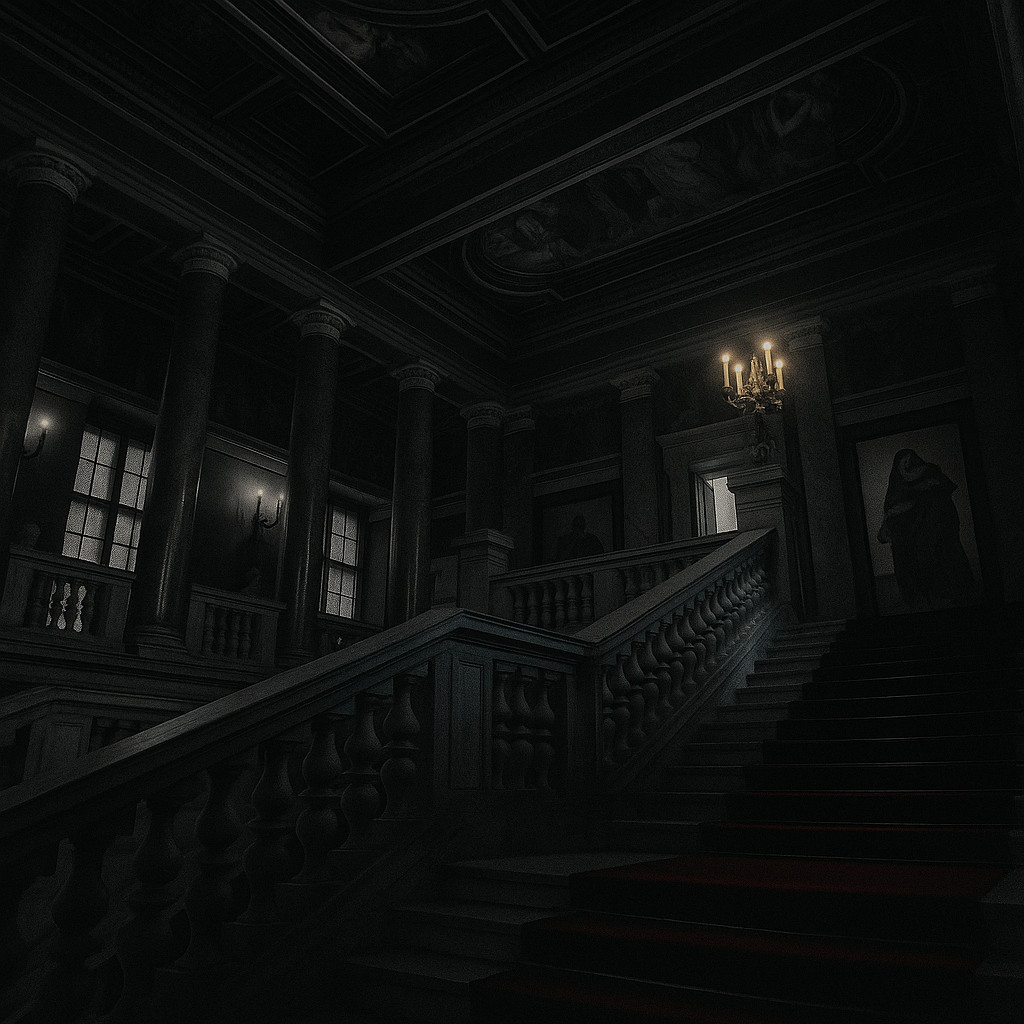
At the heart of the Hungarian capital rises a temple to memory, knowledge, and freedom — the Hungarian National Museum Budapest. Within its neoclassical façade, marble halls, and monumental staircase, centuries of history come alive.
Known in Spanish as the Museo Nacional Húngaro, this grand institution preserves the story of a nation that has survived empires, revolutions, and wars — yet never lost its soul. More than a museum, it is Hungary’s historical conscience, a place where silence tells as much as the exhibits themselves.
A Temple of Knowledge and Identity
Founded in 1802, the Hungarian National Museum Budapest was born from the generosity of Count Ferenc Széchényi, whose private collection of books, maps, and relics became the foundation of Hungary’s cultural awakening. His act inspired others to contribute art, manuscripts, and treasures that now form the museum’s vast holdings.
Designed by architect Mihály Pollack, the building’s symmetrical structure, grand portico, and Corinthian columns represent the ideals of enlightenment — balance, order, and reason. Even before entering, you feel you are approaching a sanctuary of intellect.
Every Hungarian schoolchild visits this place at least once. It is where the past is not only remembered but revered.
The 1848 Revolution and the Birth of a Nation
The steps of the Hungarian National Museum Budapest witnessed one of the defining moments in the country’s history. On March 15, 1848, thousands gathered here to demand independence from the Habsburg Empire. Poets recited revolutionary verses, and the square became a sea of red, white, and green flags.
To this day, the site remains a symbol of liberty. Each March, citizens gather again to commemorate the revolution — not with violence, but with flowers, songs, and remembrance. Standing on those steps feels like standing at the very heart of Hungary’s national spirit.
If you continue exploring the theme of revolution, the House of Terror Budapest — Museum of Communism reveals what followed a century later: another struggle for freedom, this time against totalitarian rule.
Inside the Museum: Where Time Stands Still
Crossing the museum’s main doors feels like entering another era. Marble corridors echo with footsteps, and the smell of old books and waxed wood lingers in the air.
The exhibition begins with the earliest evidence of life in the Carpathian Basin — prehistoric tools, pottery, and jewelry that date back thousands of years. As you move forward, each gallery unfolds another chapter: Roman occupation, the arrival of the Magyars, the rise of medieval kingdoms, and the golden age of Renaissance Hungary.
The treasures include royal relics, military banners, Gothic sculptures, and intricate coins. One of the highlights is the Coronation Mantle of Hungary, embroidered in 1031, a masterpiece that survived centuries of invasions and upheavals.
Heroes’ Square Budapest — Where History Bows to Heroes complements the same narrative outdoors, honoring the country’s greatest leaders and founders.
Architecture and Symbolism
The Hungarian National Museum Budapest is not only significant for what it contains but also for what it represents. Its design embodies Hungary’s 19th-century pursuit of cultural independence. The façade’s sculptures depict allegories of science, art, and patriotism, while the interior reflects a devotion to knowledge and national pride.
The main staircase, lined with Corinthian columns and frescoes, has witnessed state ceremonies and public protests alike. Every corner holds a balance between grandeur and solemnity, as if the building itself breathes history.
Temporary Exhibitions and Hidden Gems
Beyond its permanent collection, the museum regularly hosts temporary exhibitions that explore the connections between Hungary and the wider world — from ancient trade routes to contemporary art. These exhibitions remind visitors that Hungary’s identity has always evolved through exchange and resilience.
One of the museum’s hidden gems is its garden, a quiet green oasis filled with statues and memorials to national heroes. It’s the perfect place to pause, reflect, and escape the noise of the city.
Nearby, the Museum of Fine Arts Budapest — Where Centuries of Art Stand Still offers another perspective on the nation’s creativity, focusing on art and aesthetics rather than politics and history.
A Journey Through Time
The lower floors of the Hungarian National Museum Budapest explore Hungary’s modern age — the Austro-Hungarian Empire, the two World Wars, and the Communist era. Letters, uniforms, and photographs offer personal glimpses into lives transformed by history.
A particularly moving exhibit honors the 1956 Revolution, when students and citizens rose against Soviet control. Old radios and handwritten leaflets reveal the passion and courage of that moment.
For an even deeper understanding of this turbulent period, the House of Terror Budapest provides a haunting continuation of this story.
Visiting the Museum
The Hungarian National Museum Budapest is located at 1088 Budapest, Múzeum körút 14–16, just a short walk from the Kálvin tér metro stop. Its central position makes it easy to include in a walking itinerary that also covers Andrássy Avenue Budapest — The Grand Boulevard of Elegance and Váci Street Budapest.
The museum is open every day except Monday. Guided tours are available in several languages, and its café offers a quiet retreat after your visit. For updated schedules, tickets, and special exhibitions, visit the sitio oficial: mnm.hu.
Nearby Highlights
- National Theatre Budapest — Where Architecture Meets Art
- Heroes’ Square Budapest — Where History Bows to Heroes
- Vajdahunyad Castle — Museum of Hungarian Agriculture
- Buda Castle Labyrinth — Tunnels Beneath the Palace
Each reflects a different layer of Hungarian culture — architecture, art, or collective memory — all connected through Budapest’s enduring spirit.
Conclusion: The Heart of a Nation
To visit the Hungarian National Museum Budapest is to enter Hungary’s memory. Within its marble walls lie stories of triumph, loss, and rebirth. It reminds every visitor that identity is not written in books alone — it is lived, defended, and remembered.
As you stand on its steps, where poets once shouted for liberty and where silence now reigns, you understand why this museum matters: it is the voice of a nation that refuses to forget.
Hungarian National Museum Budapest — Location on the Map
Standing proudly in the heart of Budapest, the Hungarian National Museum tells the story of a nation through art, documents, and relics of revolution. From the founding of Hungary to its modern rebirth, every hall echoes the pride and resilience of its people.