Beneath the Surface of the City
Budapest is often praised for its grand views — the Danube glimmering at sunset, the Parliament lit in gold, the thermal baths steaming in the cold air.
But beyond that beauty lies another city, hidden in plain sight.
Hidden Budapest is not about landmarks; it’s about layers.
It’s about the stories that whisper through cracked walls, the tunnels beneath Buda, and the murals that bloom in forgotten courtyards.
This is the Budapest you don’t see on postcards — mysterious, poetic, and alive with ghosts of the past.
Forgotten Courtyards and Faded Elegance
Start your alternative route in the Jewish Quarter, where narrow alleys and peeling façades tell the story of a neighborhood reborn.
Behind unmarked doors, you’ll find courtyards filled with plants, bicycles, and art installations.
Some of these courtyards house cafés or studios, while others remain silent — their balconies hanging like echoes of a lost time.
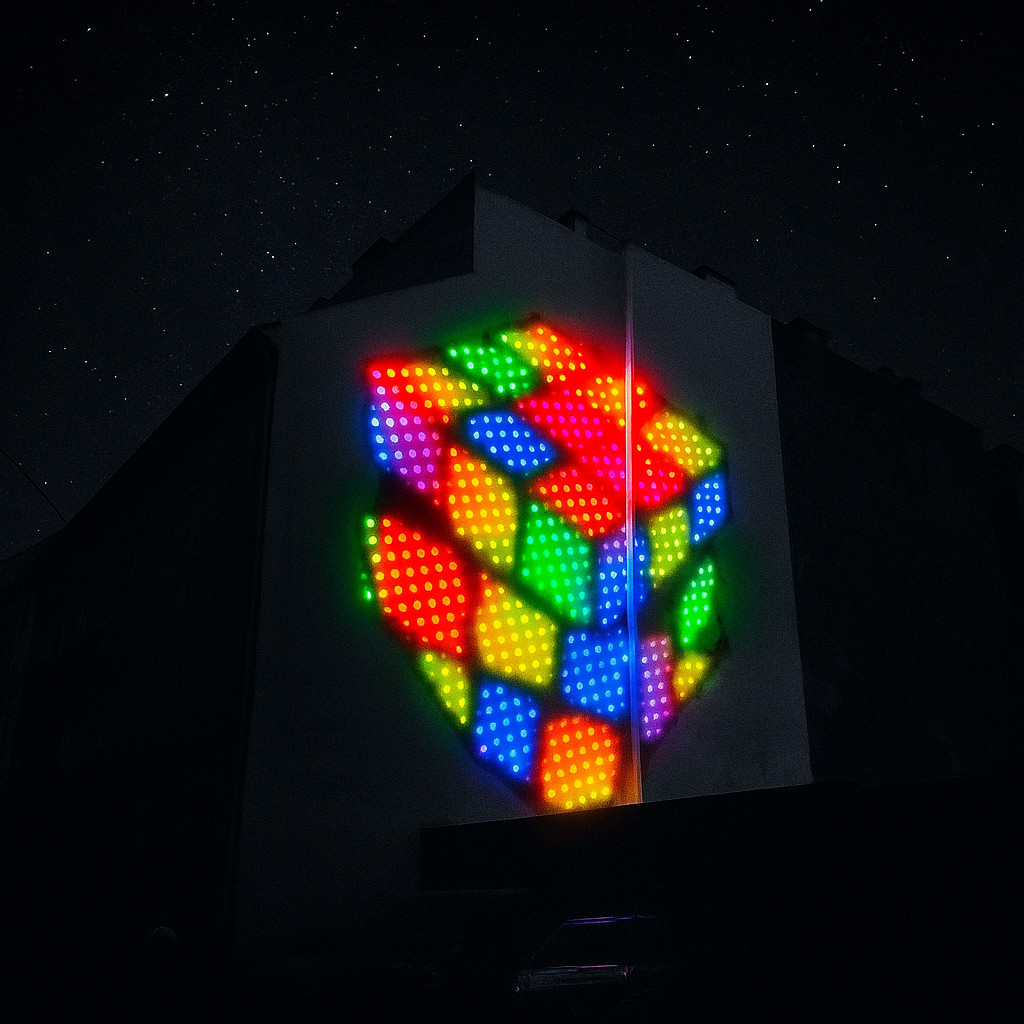
As you wander, you might stumble upon Street Art in the Jewish Quarter, where entire walls serve as canvases for political art, humor, and hope.
The vibrant murals contrast the aging stone, turning neglect into expression.
The World Below — Caves and Cellars
Beneath the streets of Budapest lies a second city — a labyrinth carved by nature and history.
In Buda, under Castle Hill, the Buda Castle Labyrinth winds through natural caverns once used for wine storage, war shelters, and secret operations during World War II.
Further east, in the 10th District, the Kőbánya Cellars stretch for kilometers under old breweries and factories.
Their arched tunnels, glowing with dim green light, form a surreal landscape — both eerie and beautiful.
These places aren’t just tourist curiosities; they are the lungs of the city, breathing stories from beneath its feet.
The Watchers of the City
Scattered throughout Budapest are the small bronze creations of sculptor Mihály Kolodko.
You might find a miniature soldier climbing a window, a tiny tank hiding behind a bench, or a statue of a traveler who “never left.”
Each one tells a secret story about the city.
The Kolodko Mini Statues are modern relics — subtle reminders to look closer, to slow down.
Locals often say that once you spot your first Kolodko statue, you start seeing them everywhere.
Philosophers’ Garden — A Hidden Lookout
High above the city, near Gellért Hill, lies a peaceful terrace called the Philosophers’ Garden.
Here, statues of Buddha, Abraham, and other thinkers stand in silent conversation, watching over the Danube.
The view is breathtaking, yet the atmosphere remains meditative — a contrast to the busy lookout points nearby.
This place captures the essence of Hidden Budapest: calm, overlooked, and deeply human.
If you arrive at sunset, the statues cast long shadows toward Buda Castle, as if reflecting on centuries of history and thought.
The Sounds of the Undiscovered
Hidden Budapest isn’t always silent.
In the evenings, music drifts from open doors — sometimes a jazz trio, sometimes a lone violinist playing in a courtyard.
Walk along the quieter streets of District VII or VIII, and you’ll hear fragments of conversation, laughter, or a piano from an upstairs apartment.
These small moments create a rhythm that’s impossible to plan, and that’s exactly why they matter.
Every sound here feels unfiltered, like a heartbeat of the city itself.
How to Experience Hidden Budapest
To find these places, you need time and curiosity — and sometimes, guidance.
The best way to discover the city’s hidden corners is on foot, led by someone who knows the stories behind the walls.
That’s why many travelers choose the Budapest Walking Tour — a route crafted not for sightseeing, but for feeling the city.
Our guides share the legends of the Jewish Quarter, the secret passages under Buda, and the everyday life that tourists rarely notice.
Walking Budapest is more than a tour; it’s a connection to the city’s living history.
Why Hidden Budapest Matters
Every great city has its visible side and its soul.
The Parliament, the bridges, and the baths show Budapest’s grandeur — but its true essence hides in its imperfections.
Exploring Hidden Budapest is about rediscovering beauty in decay, meaning in silence, and depth in what others overlook.
When you walk these lesser-known streets, you’re not just observing history — you’re becoming part of it.
The City Beyond the Map
Budapest rewards those who get lost.
The deeper you wander, the more it reveals — a mural hidden behind a gate, a tunnel under your feet, a statue smaller than your hand.
This is the side of the city that keeps locals inspired and travelers returning.
And when the night falls, as the lights reflect over the Danube and footsteps echo on old stones, you’ll understand that Hidden Budapest is not a place — it’s a feeling.