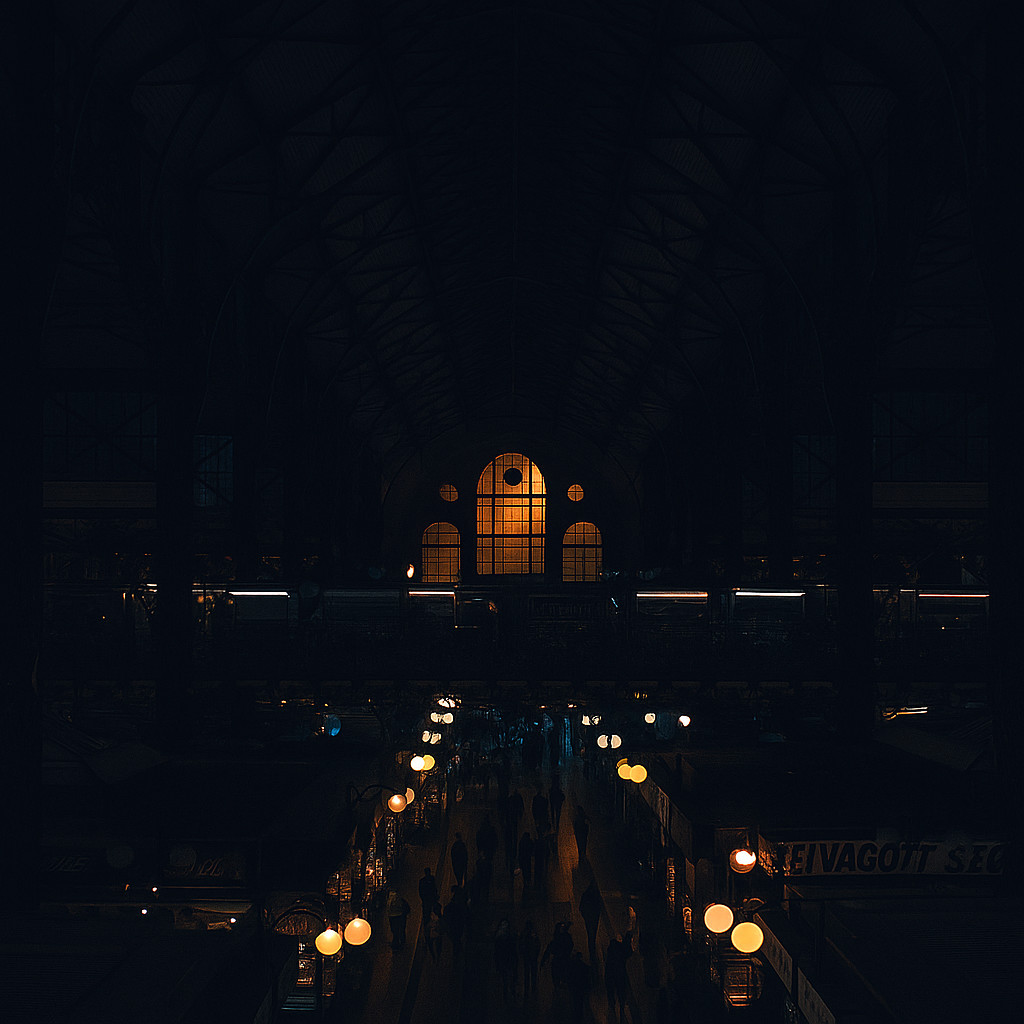
A Masterpiece of Iron, Glass, and Tradition
At the southern end of Váci Street, where the bustle of the city meets the flow of the Danube River, stands one of Budapest’s most beloved landmarks — the Great Market Hall (Nagycsarnok).
This spectacular building is not only a temple of Hungarian flavors but also a marvel of late 19th-century architecture. Its vast steel framework, glass roof, and colorful Zsolnay tiles embody the confidence of a city entering its golden age.
Built between 1894 and 1897, the Great Market Hall Architecture reflects the ambition of a modernizing Budapest — a city that sought to match the great capitals of Europe while preserving its unique spirit.
The Vision Behind the Great Market Hall Architecture
In the final years of the Austro-Hungarian Empire, Budapest was transforming rapidly. New bridges, boulevards, and cultural buildings emerged — from Andrássy Avenue to the Hungarian State Opera House and the Parliament itself. The Market Hall was conceived as part of this modernization wave: an efficient, hygienic, and monumental space for trade.
The design was entrusted to Samu Pecz, a Hungarian architect known for combining practicality with beauty. His creation was revolutionary. The structure used a steel skeleton — a cutting-edge technique at the time — covered by a high-pitched roof of glass and iron. The design allowed sunlight to illuminate the stalls naturally, giving the interior a sense of both airiness and order.
The exterior façade, with its neo-Gothic windows and colorful roof tiles from the Zsolnay factory in Pécs, stands as one of the finest examples of industrial elegance turned into art.
Inside the Iron Cathedral of Commerce
Entering the Great Market Hall feels like stepping into a grand railway station built for food and color. The interior stretches over three levels, connected by elegant stairways and cast-iron balconies.
Natural light filters through the glass ceiling, illuminating the maze of stalls that display everything from paprika to handmade sausages.
The symmetry of the iron beams and arches gives the market a rhythmic, almost musical order — echoing the architectural harmony seen in landmarks like the Hungarian Parliament Building and Matthias Church.
Everywhere you look, details abound: riveted columns, curved trusses, and railings adorned with wrought-iron motifs. These elements embody the optimism of a city that believed in progress, craftsmanship, and beauty.
A Survivor Through the Centuries
The Great Market Hall Architecture has endured wars, floods, and economic hardship. During World War II, the building suffered severe damage, and for decades it fell into disrepair. Yet, like Budapest itself, it never lost its spirit.
In the 1990s, a full restoration returned the market to its original splendor. The roof tiles were replaced, the ironwork was polished, and the hall once again filled with the sound of traders calling and the scent of fresh produce.
Today, it’s not only a market but also a living museum of Budapest’s resilience — a place where locals and travelers alike experience a blend of architecture, culture, and daily life.
Where Architecture Meets Taste
The true charm of the Great Market Hall lies in how design enhances experience. The soaring ceilings and open aisles allow aromas to drift freely — smoked paprika, cured meats, and baked bread mingle in the air.
While the ground floor remains dedicated to Hungarian specialties, the upper floor feels almost theatrical. Here, visitors can dine under the iron beams, enjoying traditional dishes like goulash, lángos, and stuffed cabbage. For a deeper look at what to eat, read our guide:
👉 Great Market Hall Budapest — What to Eat & Buy
The basement level, once used for fish and storage, now adds another dimension to the hall’s design — a cool, stone-clad world that contrasts with the bright space above.
This layering of function and beauty makes the Great Market Hall one of the most intelligently designed buildings in Hungary.
The Market and the City
The Market Hall stands at Fővám Square, where the Danube once brought goods directly by boat. Across the river, the Liberty Bridge connects the market with Gellért Hill and the Gellért Thermal Bath, creating a perfect walking route through Budapest’s architectural and cultural highlights.
Strolling from the Danube Promenade to the Great Market Hall offers a glimpse of the city’s contrasts — from romantic river views to the vibrant energy of local trade. It’s one of the best ways to understand how Budapest’s design unites past and present.
You can even combine this route with our Budapest Walking Tour to see how the Market Hall fits within the broader story of the city’s urban beauty.
Architectural Details That Define Its Character
- Zsolnay Roof Tiles — Each tile on the roof is handmade and glazed in brilliant orange, yellow, and green. They shimmer differently under the sunlight, giving the building a dynamic, almost living appearance.
- Steel Frame Structure — The use of iron and steel revolutionized Budapest’s architecture. It allowed the Market Hall to span vast open spaces without heavy masonry walls.
- Glass Roofing — An engineering marvel in 1897, it maximized light and ventilation.
- Decorative Masonry — The façade blends brick and stone with fine detail, reflecting the influence of both Gothic and Art Nouveau styles.
These features make the Great Market Hall Architecture a milestone in the history of European urban design.
A Place Where Locals and Travelers Meet
For locals, the Market Hall remains a practical place — where generations still shop for ingredients or meet for a morning coffee. For travelers, it’s an essential stop, much like visiting Heroes’ Square or the Museum of Fine Arts.
Many tours begin here, including our Budapest 1-Day Walking Route, which starts from the Danube and crosses through Fővám tér, linking some of the city’s most photogenic points.
Even if you come only to admire the ironwork and the vibrant roof, the Great Market Hall will leave you with a lasting impression — of how Budapest transforms ordinary spaces into art.
Timeless Craftsmanship
The brilliance of Great Market Hall Architecture lies in its balance — beauty serving purpose.
It’s a building that celebrates life through structure, color, and proportion.
As you walk under its arches, the echo of footsteps mixes with the soft clatter of merchants setting up their stalls, creating a rhythm as timeless as the city itself.
Few markets in Europe combine such grandeur with authenticity. That’s why the Great Market Hall of Budapest isn’t just a shopping destination — it’s a symbol of how design can preserve culture and inspire wonder.
Great Market Hall Budapest — Location on the Map
Visit the Great Market Hall, Budapest’s most iconic marketplace and an architectural masterpiece of the 19th century. Its colorful tiled roof and iron framework shelter a vibrant world of Hungarian delicacies, paprika, wines, and crafts.