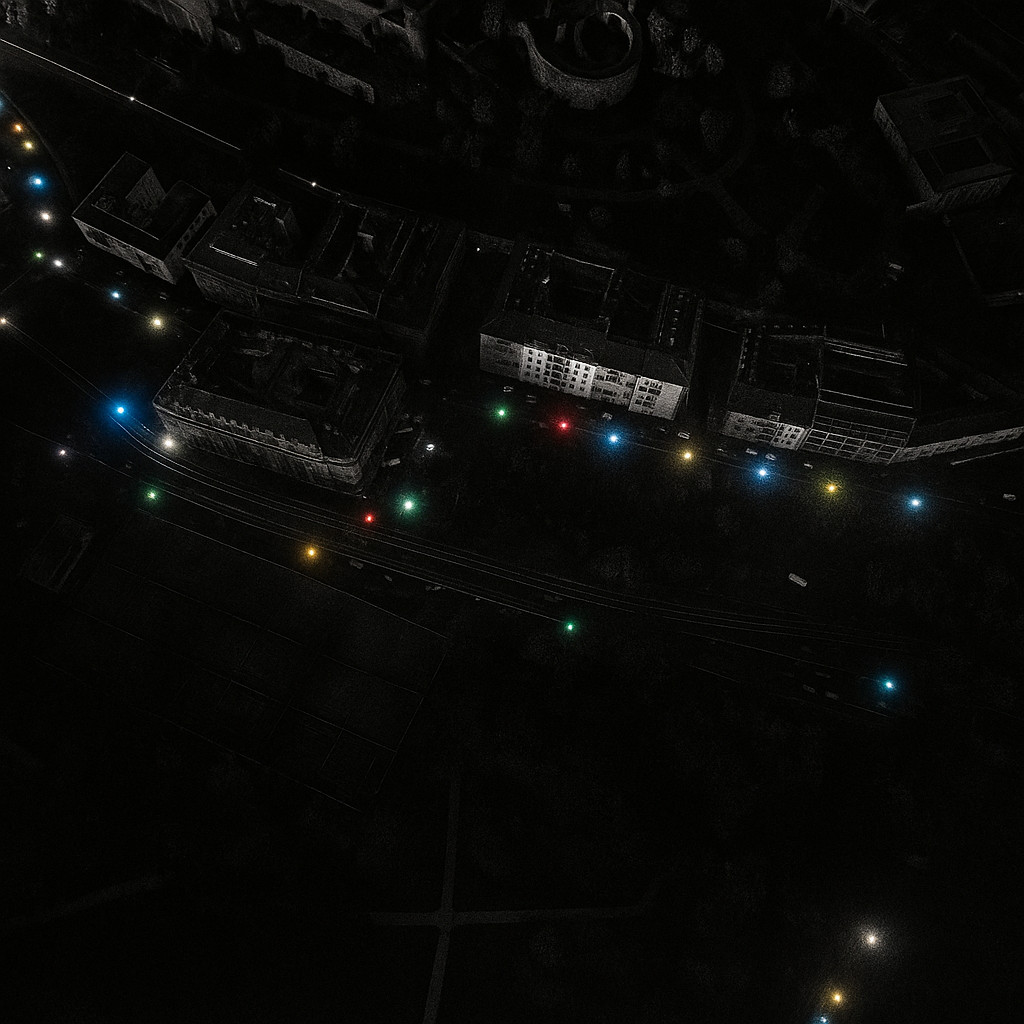
Budapest is a city built to be walked. From its broad 19th-century boulevards to the romantic cobblestone alleys that climb Buda’s hills, every step reveals layers of history, culture, and beauty. Exploring the Hungarian capital on foot allows you to move at your own rhythm, breathe its atmosphere, and notice the small details that most visitors miss.
Whether you’re strolling along the Danube, crossing its bridges, or discovering the cafés of Andrássy Avenue, these are the best tips and routes for getting around Budapest on foot — safely, comfortably, and like a local.
Why Walking Is the Best Way to Discover Budapest
Budapest rewards those who slow down. The city’s scale is perfectly human, its centre compact, and its layout intuitive. Most of the main attractions are within walking distance of each other, making it possible to see world-famous landmarks, grand architecture, and hidden courtyards in a single day without ever stepping into a taxi.
The Pest side, flat and elegant, invites long urban walks among Art Nouveau façades, café terraces, and wide boulevards. Buda, on the other hand, offers climbs that lead to breathtaking views from the Castle District or Gellért Hill. Walking here feels less like transport and more like time travel — every corner has a story, every bridge a panorama.
Walking is also one of the safest and most enjoyable ways to explore Budapest. The pavements are wide, crossings well marked, and most districts are well-lit at night. Combine that with Hungary’s excellent public transport network, and you can go almost anywhere using your own two feet.
Best Walking Areas and Routes
Danube Promenade
If you only walk one route in Budapest, make it the Danube Promenade. Stretching from the Chain Bridge to the Liberty Bridge, it offers uninterrupted views of the Parliament, Buda Castle, and the Gellért Hill statue. Along the way, stop by the Shoes on the Danube Bank memorial — a quiet and emotional tribute to the city’s history.
(More in Best Spots Along the Danube Promenade.)
At sunset, the golden reflections over the river create one of Europe’s most iconic cityscapes. The promenade is fully pedestrian, flat, and perfect for slow, thoughtful walks.
Andrássy Avenue
A UNESCO World Heritage site, Andrássy Avenue connects the city centre to Heroes’ Square in a grand, tree-lined boulevard of opera houses, cafés, and embassies.
Start at St. Stephen’s Basilica, then walk north along elegant façades until you reach the Hungarian State Opera House. Continue past designer boutiques and theatres until the avenue opens into Heroes’ Square, flanked by the Museum of Fine Arts and Műcsarnok (Art Hall).
(Read more: Andrássy Avenue Budapest.)
It’s one of the most beautiful streets in Europe — best enjoyed in the early morning or at dusk when the light turns the limestone buildings honey gold.
Buda Castle District
Cross the Chain Bridge and climb toward the Buda Castle District, a maze of cobbled streets and Gothic spires. The walk itself is part of the experience: ancient walls, gas lamps, and sweeping views across Pest.
Once on top, wander freely through the Royal Palace courtyards, Fisherman’s Bastion, and Matthias Church. The upper terraces of the bastion charge a small fee, but most areas are open and free to explore.
(Discover more: Walking Through Buda Castle District.)
Come at sunset to see the Parliament glow across the river — a scene that defines Budapest’s beauty.
Jewish Quarter
Budapest’s Jewish Quarter is an open-air cultural experience. Between Király Street and Dohány Street, murals and ruin bars fill the courtyards once enclosed by the ghetto walls.
The area blends history and creativity: street art, cafés, and small galleries coexist with the Great Synagogue, one of the largest in the world.
Stop by Szimpla Kert, the city’s most famous ruin bar, or wander the colourful Gozsdu Courtyard.
(Explore more: Jewish Quarter Walking Tour.)
It’s a lively, safe area that shows Budapest’s young and artistic soul.
City Park & Heroes’ Square
End your walking day in City Park (Városliget), one of Europe’s oldest public parks. Enter through Heroes’ Square, where statues of Hungarian kings and leaders rise above the open esplanade.
Inside the park, paths lead past Vajdahunyad Castle, small lakes, and cafés beneath the trees. In winter, the lake transforms into a vast ice rink; in summer, rowboats glide over calm waters.
(Read more: City Park Budapest.)
City Park is also home to Széchenyi Thermal Bath, one of Budapest’s iconic spa experiences — even if you don’t bathe, it’s worth seeing the grand Neo-Baroque complex illuminated at night.
Bridges to Cross on Foot
Walking across Budapest’s bridges is an experience in itself. Each one offers a unique view and connection between Buda and Pest.
- Chain Bridge (Széchenyi Lánchíd): The city’s oldest and most famous bridge, symbol of unity and history. Cross it at night for magical reflections.
- Liberty Bridge (Szabadság híd): Painted green and beloved by locals, it’s often used as a gathering spot during summer evenings.
- Margaret Bridge: Links both sides with Margaret Island, a perfect mid-walk rest.
These crossings are all pedestrian-friendly and among the best places to photograph the city’s skyline.
(See more: Bridges of Budapest.)
Practical Tips for Exploring on Foot
Walking through Budapest is easy and enjoyable, but a few practical tips make it even better:
- Wear comfortable shoes: Cobblestones in Buda can be uneven, and distances can add up quickly.
- Mind the weather: Summers are warm; carry water and sunscreen. Winters can be icy — wear proper boots.
- Use public transport to shorten long routes: Metro and tram lines are reliable and inexpensive.
(Read: Public Transport in Budapest.) - Stay safe: The city is generally secure, but keep an eye on your belongings and use pedestrian crossings.
- Stop often: Part of the charm is sitting in a café or park bench and simply watching the city move.
If you get tired, Budapest’s BKK system (trams, metro, and buses) makes it easy to continue your journey without missing a beat.
Guided Walking Tours and Local Insight
While walking independently is rewarding, joining a guided walking tour adds depth and context. Local guides share stories that transform buildings into characters and streets into living history.
The Budapest Walking Tour is ideal if you want to connect iconic sites with hidden gems — from Parliament Square to secret courtyards only locals know.
You’ll understand why so many travellers say that walking, more than sightseeing, is the true way to experience Budapest.
Conclusion — The City That Moves at Your Pace
In Budapest, every path tells a story. From the calm morning light over the Danube to the glow of Andrássy Avenue after dusk, walking through the city connects you to its rhythm, architecture, and people.
Forget the rush — follow the scent of coffee from a café terrace, pause under the bridges, and let your steps guide you.
Because getting around Budapest on foot isn’t just about moving through space — it’s about travelling through time, one step at a time.