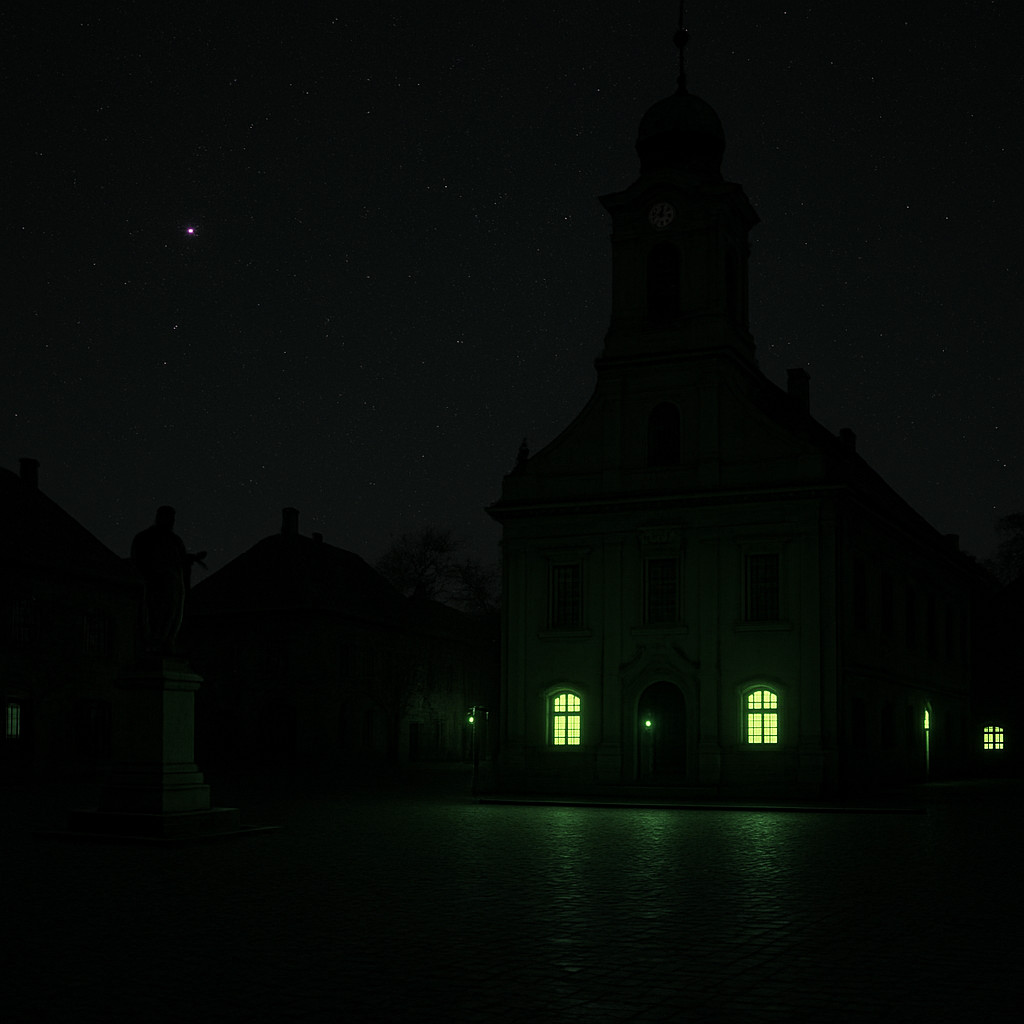
Hidden in the quiet northern part of the city lies a place where time seems to slow down — Fő tér Óbuda Budapest, the oldest square in the Hungarian capital. Long before Pest became a bustling metropolis or Buda a royal stronghold, Óbuda was the heart of settlement along the Danube. Here, cobblestones remember centuries of laughter, trade, and resilience.
Though the tourists rush to the Buda Castle District or Heroes’ Square, those who walk northward discover a quieter beauty — a square that whispers history through its stones and façades.
A Forgotten Heartbeat of Budapest
Before Buda and Pest joined to form the modern city, Óbuda was its ancestor. Archaeological remains nearby reveal traces of the Roman town of Aquincum, where soldiers, merchants, and families once lived beside the river nearly two thousand years ago. Today, just a few steps from Fő tér Óbuda, the Kőbánya Cellars and Aquincum Museum preserve this ancient story beneath the surface.
But on the square itself, medieval and Baroque layers merge. The cobblestones glimmer softly under the lamplight; the air feels older, quieter, as if the centuries never fully left. The layout has changed little since the 17th century, when the market stalls of local craftsmen lined the same space you see today.
Baroque Elegance and Everyday Life
What makes Fő tér Óbuda Budapest unforgettable is not grandeur but harmony. Its pastel façades, low buildings, and classical ornamentation reveal a community that has lived and rebuilt itself over generations. The Zichy Palace, standing proudly on one side, once housed noble families and now serves as a cultural center and museum. Its courtyards host art exhibitions, concerts, and local festivals that blend history with daily life.
On market days, the square transforms: locals sell handmade goods, musicians fill the air with Hungarian folk melodies, and cafés spill their chairs onto the stones. Compared to the energy of Váci Street or Great Market Hall, the atmosphere here feels intimate and genuine — a Budapest that still breathes tradition.
Statues, Stories, and Silences
Every corner of Fő tér Óbuda tells a story. Near the center stands a charming fountain surrounded by benches where locals gather to chat or read under the morning light. Around it, a few statues remind visitors of the district’s deep roots. One of the most beloved is the Fisherman of Óbuda, representing the lives once tied to the Danube’s rhythm.
You might also find one of the Kolodko Mini Statues — tiny, hidden sculptures scattered across the city that delight those who notice them. The one in Óbuda, a subtle nod to the neighborhood’s humor and nostalgia, adds a touch of whimsy to the historical calm.
The Sound of the Past
Close your eyes in the evening, and you can almost hear the echo of carriages clattering down cobblestone paths, the bells of the nearby church marking the hours, and the faint voices of merchants from centuries ago.
Unlike the grand scale of Chain Bridge Budapest or Heroes’ Square, Fő tér Óbuda feels personal — human in scale and rhythm. The sense of continuity here is what makes it powerful. It reminds visitors that cities are not only about empires and monuments but also about ordinary lives built day after day upon the same ground.
Modern Tranquility Amid the Ancient
Though history defines it, the square is far from frozen in time. Modern sculptures and seasonal events keep the area vibrant. In December, the Óbuda Christmas Market transforms it into a wonderland of lights, handmade ornaments, and warm mulled wine. In summer, open-air concerts fill the square with laughter and applause, while families stroll from one performance to another.
It’s easy to pair your visit here with a trip to the nearby Margaret Island or the City Park Balloon if you wish to see the city from above. The balance of old and new defines Budapest’s soul — and nowhere is that blend clearer than here.
How to Visit Fő tér Óbuda
Reaching Fő tér Óbuda Budapest is simple. From the city center, take the suburban train (H5) from Batthyány tér and get off at Szentlélek tér; from there, it’s a short walk. You can also reach it by tram lines 1 or 17, which glide along the Danube with stunning views.
The best time to visit is during late afternoon or golden hour, when sunlight softens the façades and shadows stretch across the stones. Photographers love this time — the calm light reveals the texture of history in every wall.
A Place for Reflection
There’s something profoundly poetic about standing in the oldest square of Budapest while the modern skyline glows faintly in the distance. It feels like the city is reminding you that everything new stands on something ancient — and everything ancient once began as something new.
When the church bells of Óbuda ring at dusk, they carry a message that outlasts centuries: heritage is not to be stared at but to be lived.
So take your time here. Walk slowly. Sit by the fountain. Let the past and present of Budapest meet quietly around you.
Fő tér Óbuda Budapest — Location on the Map
In the northern district of Óbuda, Fő tér is a picturesque square that preserves the atmosphere of old Budapest. Its Baroque architecture, quiet streets, and local museums make it a hidden treasure for those seeking history, charm, and an authentic glimpse of the city’s past.