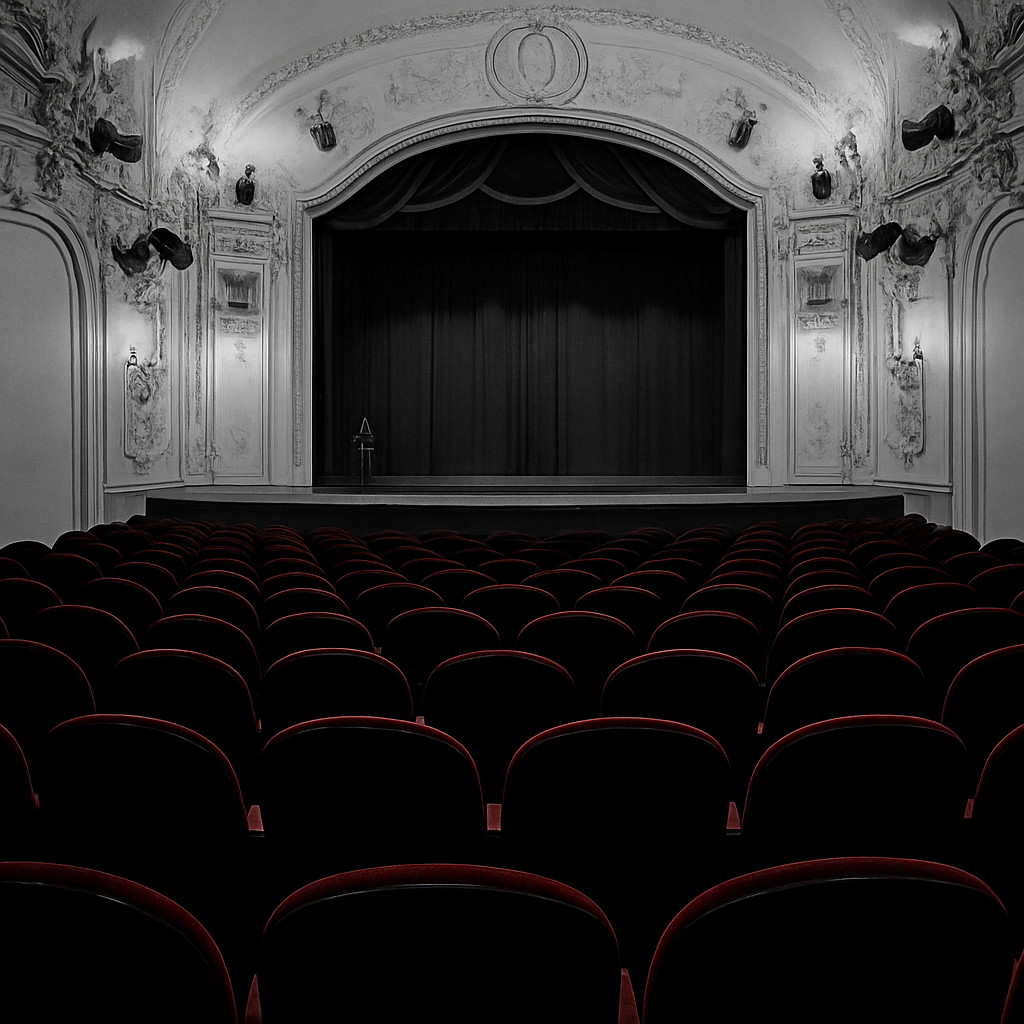
Budapest is a city where architecture and music meet in harmony. The Hungarian capital hosts a range of historic and modern venues which highlight its cultural evolution. In this guide, you’ll explore the concert halls in Budapest, ordered by their founding date, complete with history, architectural style, signature performances and practical tips.
1. Pesti Vigadó (1865) — Romantic grandeur beside the Danube
Style: Neo-Romantic / Eclectic
Architect: Frigyes Feszl
Founded: 1865
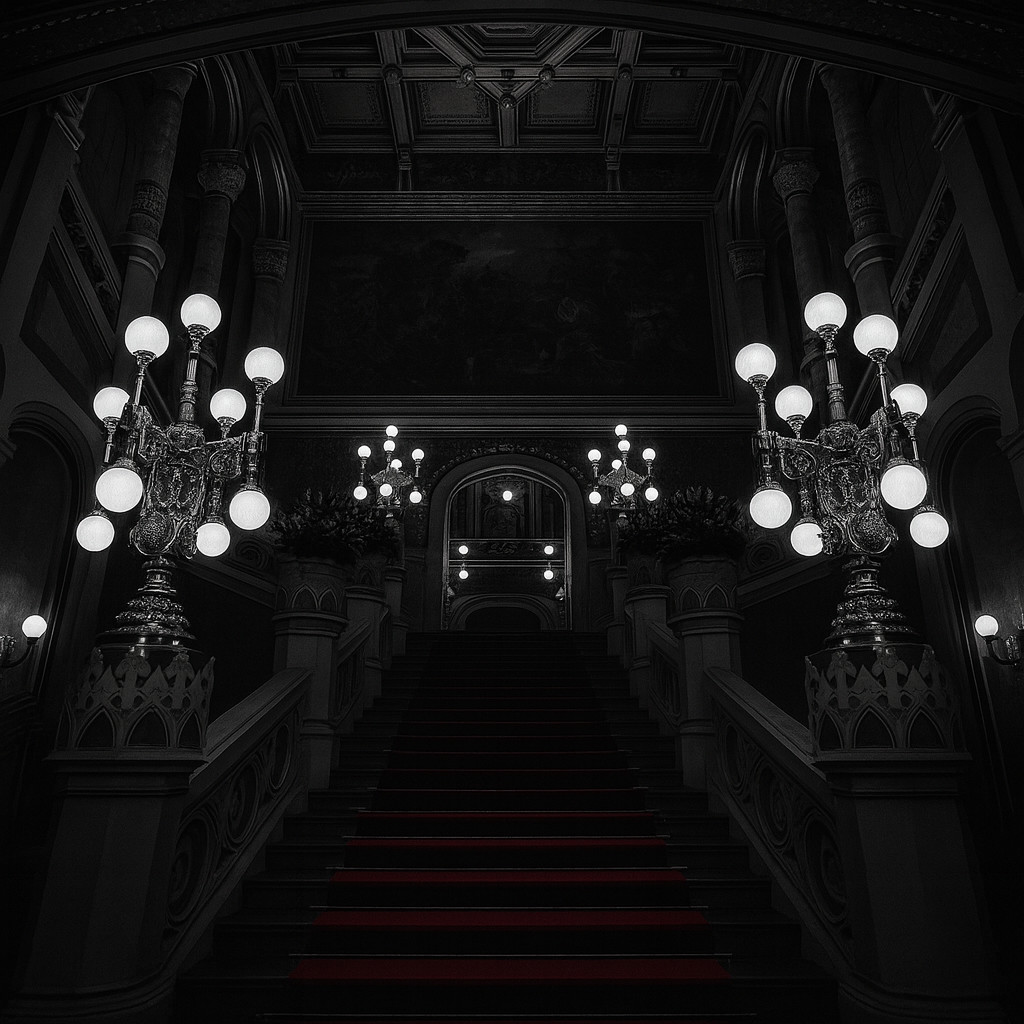
Opened in 1865, the Pesti Vigadó became one of Budapest’s premier venues for music, society and ceremony. It stands on the Pest bank of the Danube. Its grandeur, combined with cultural importance, marks it as a cornerstone of the city’s concert-hall scene.
Architecture & sound: The hall features ornate facades with statues and stained glass, and inside the acoustics favour warmth and resonance, making it suitable for large orchestras and choral works.
Artists & heritage: Historic listings reference performances by composers like Liszt and Brahms.
Trip tip: Located right on the Danube promenade, it’s easy to combine a visit or concert with a scenic walk along the river.
Pesti Vigadó — Location on the Map
Standing on the Danube Promenade, Pesti Vigadó captures the splendor of 19th-century Budapest. With its ornate façade and panoramic river views, it remains one of the city’s most beloved concert halls and a must-see landmark for anyone exploring the heart of Pest.
2. Danube Palace / Duna Palota (1897) — Neo-Baroque salon for culture
Style: Neo-Baroque
Architect: Vilmos Freund
Founded: Completed around 1897 (built 1894–1897)
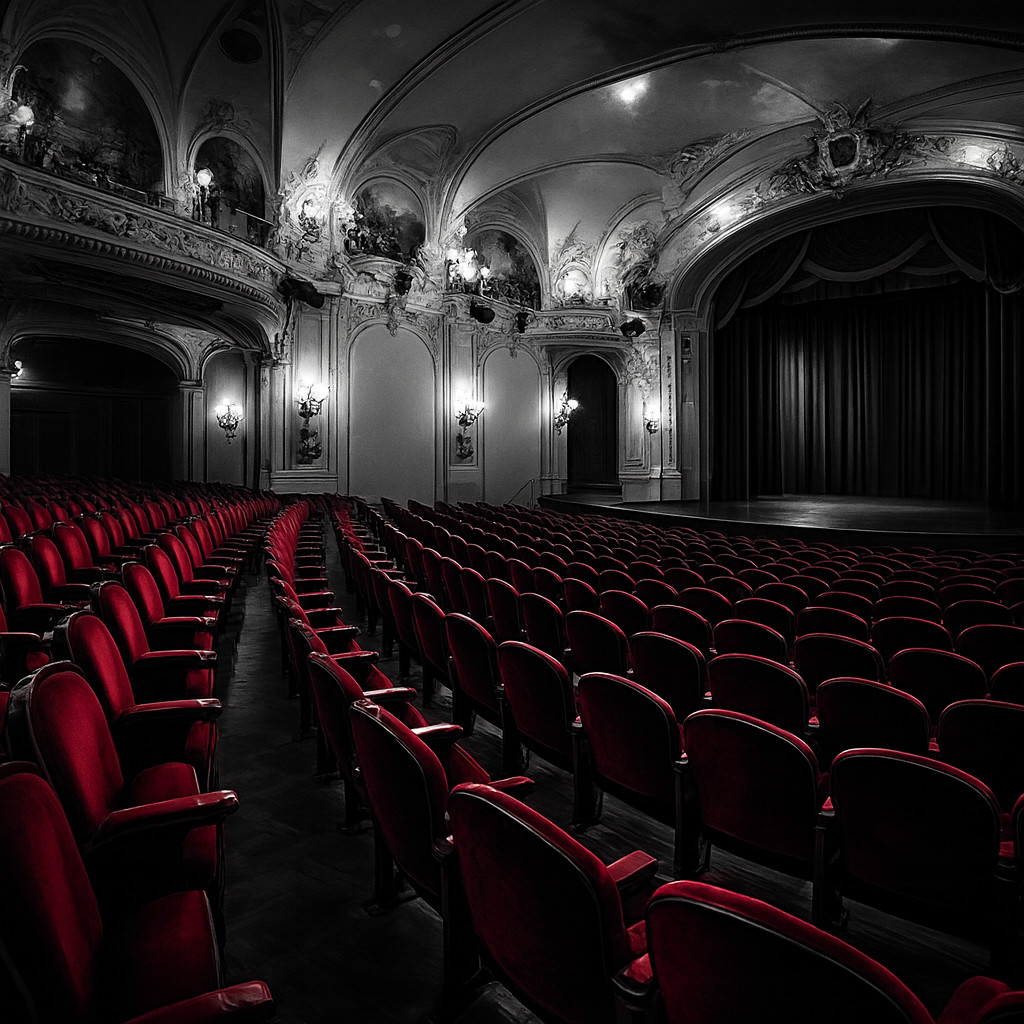
Originally conceived as a casino-type entertainment house for the aristocracy, the Danube Palace (Duna Palota) later became a significant concert venue. Today it hosts concerts, exhibitions and events.
Architecture & sound: Richly decorated interiors, crystal chandeliers and smaller room volumes give it an intimate yet refined feel. Strings and voice often shine here.
Artists & heritage: References note early performances by Bartók, Kodály and Dvořák.
Danube Palace — Location on the Map
A few steps from St. Stephen’s Basilica and the Danube, the Danube Palace dazzles with Neo-Baroque opulence. Once a hub for aristocratic gatherings, today it welcomes visitors seeking authentic Hungarian concerts, folk shows and timeless elegance in the heart of Pest.
3. Liszt Ferenc Academy of Music — Great Hall (1907) — The heart of Hungarian music
Style: Art Nouveau (Secession)
Architects: Flóris Korb & Kálmán Giergl
Founded: Institution 1875; Great Hall completed and opened in 1907.
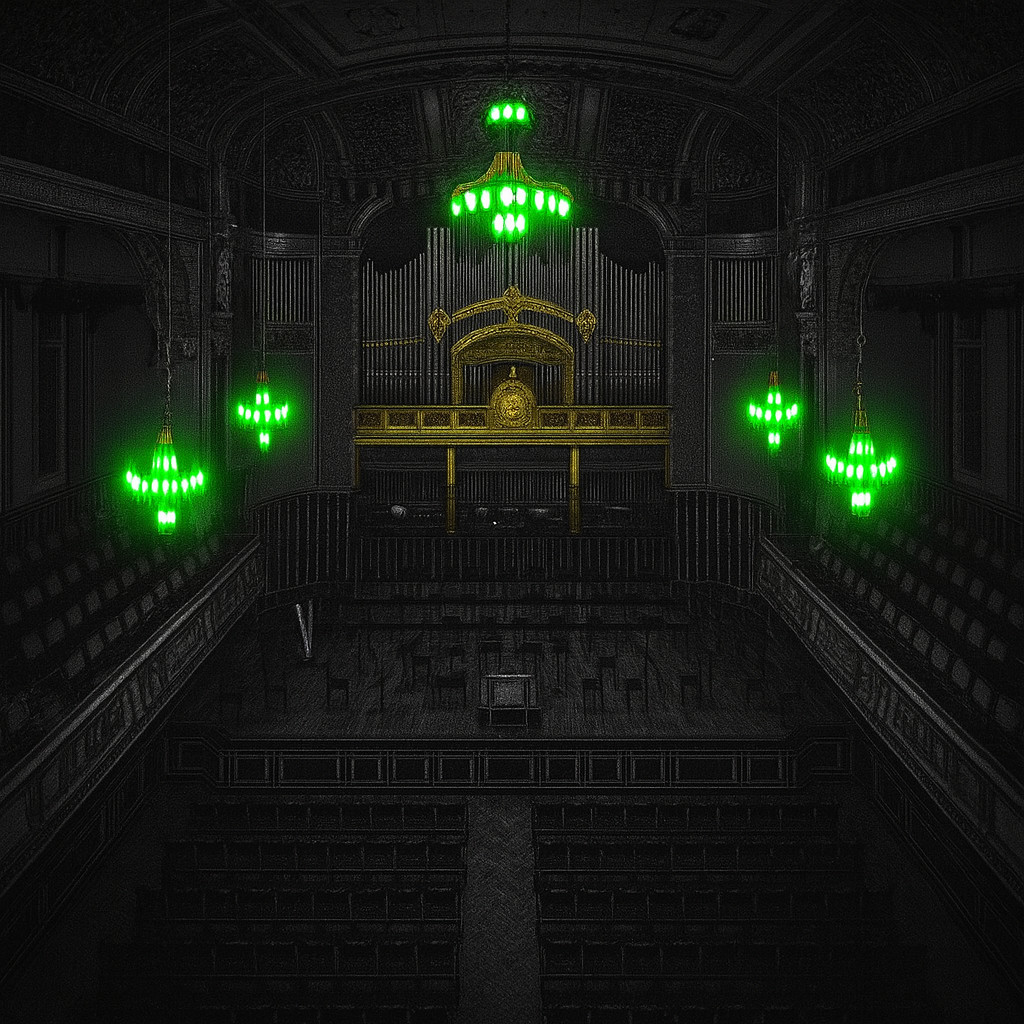
Founded by Franz Liszt in 1875, the Academy’s present building and concert hall reflect the height of turn-of-the-century craftsmanship.
Architecture & sound: Decorated with mosaics, marble columns and stained glass, the Great Hall is regarded as one of Europe’s finest in terms of acoustics. It’s ideal for piano recitals, chamber ensembles and orchestral concerts.
Artists & heritage: Alumni and performers include András Schiff, Zoltán Kocsis and many others.
Liszt Ferenc Academy of Music — Location on the Map
The Liszt Ferenc Academy of Music, founded by the great composer himself, reigns over Budapest’s cultural scene with unmatched prestige. Its Great Hall—an Art Nouveau wonder of gold, glass and harmony—is a pilgrimage site for anyone seeking the true soul of Hungarian music.
4. Erkel Theatre (1911) — Opera and large-scale performance
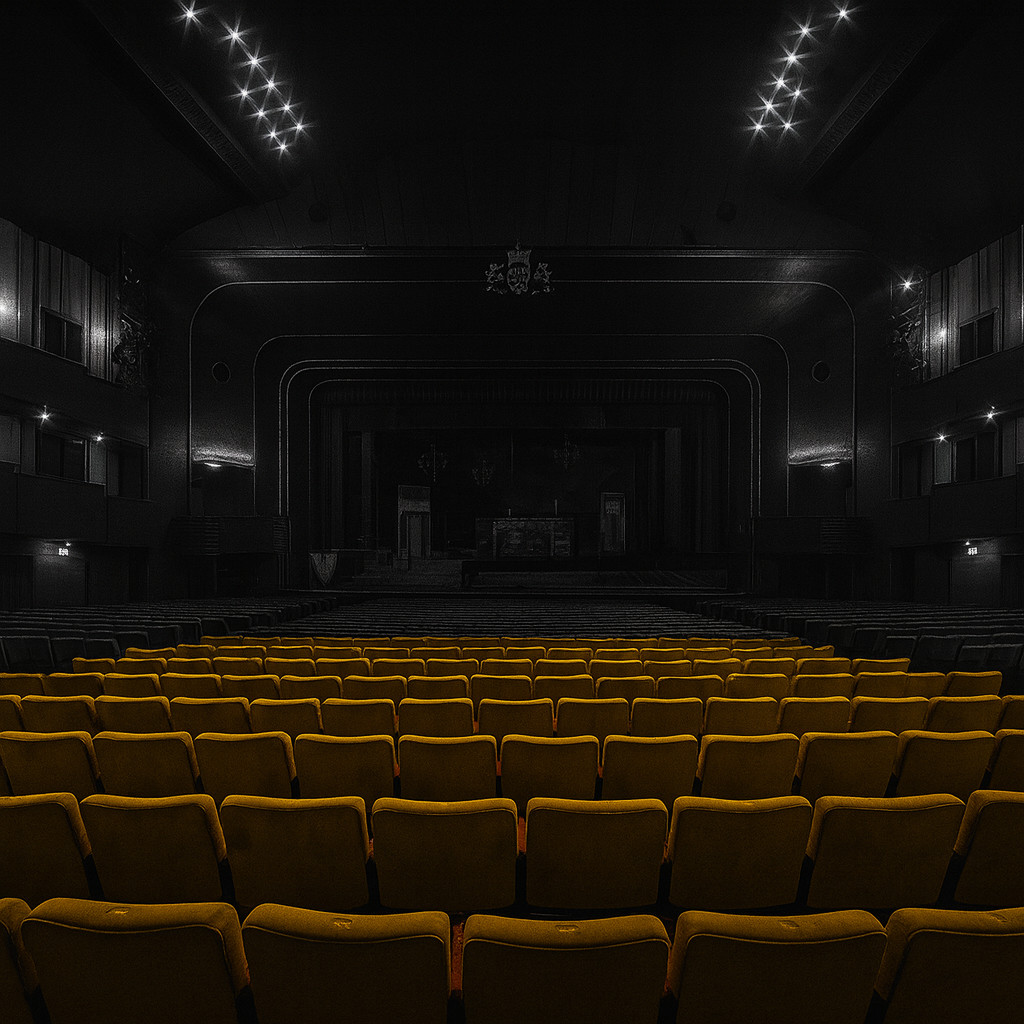
Style: Historicist with early modern renovations
Founded: 1911
The Erkel Theatre opened in 1911 and is designed for large audiences, making it one of the bigger performance venues in Budapest. It frequently functions as a stage for operas, symphonic works and big events.
Architecture & sound: Large auditorium, strong theatrical presence. Best for large-scale performance rather than intimate chamber work.
Trip tip: Booking in advance is wise for high-demand nights.
Erkel Theatre — Location on the Map
The Erkel Theatre, a monumental cultural landmark opened in 1911, continues to inspire audiences with its grand operas, ballets and symphonic performances. Located near Keleti Railway Station, it represents the vibrant soul of Budapest’s performing arts on a truly epic scale.
5. Müpa Budapest — Béla Bartók National Concert Hall (2005) — Modern icon
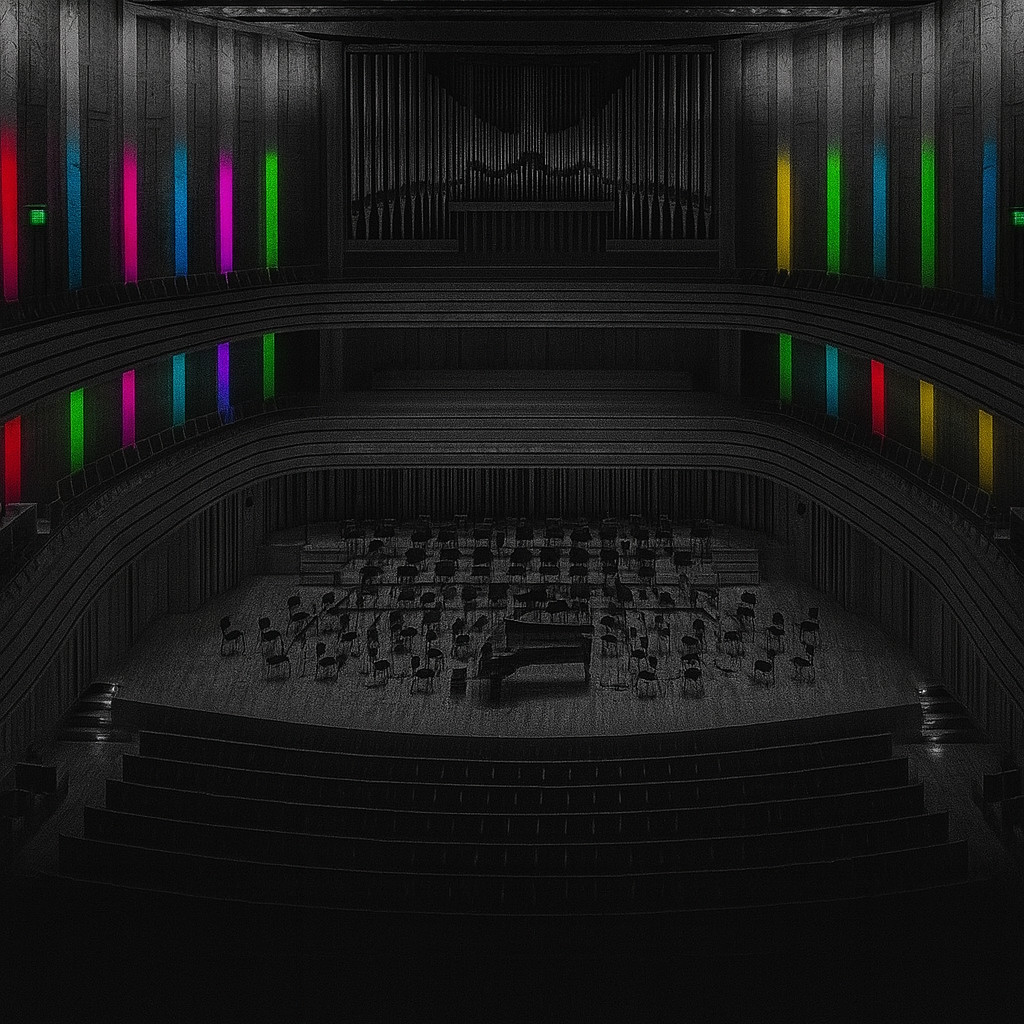
Style: Contemporary architecture
Architect: Zoboki, Demeter & Partners
Founded: Opened in 2005
The Müpa Budapest complex (Palace of Arts) marks a new era for the concert halls in Budapest. The Bartók Hall inside it is designed with top-tier acoustics by Russell Johnson.
Architecture & sound: Clean lines, modern materials, variable acoustics. Seats circa 1,699; organ of considerable size.
Artists & heritage: Hosts major orchestras, visiting ensembles, jazz, world music and more.
Official site
Müpa Budapest — Location on the Map
Müpa Budapest, also known as the Palace of Arts, rises on the banks of the Danube as a beacon of 21st-century culture. The Béla Bartók National Concert Hall is praised for its perfect acoustics and stunning modern design, making it one of Europe’s most celebrated venues for classical and contemporary music.
6. Budapest Music Center (BMC) — Chamber & contemporary (2013)
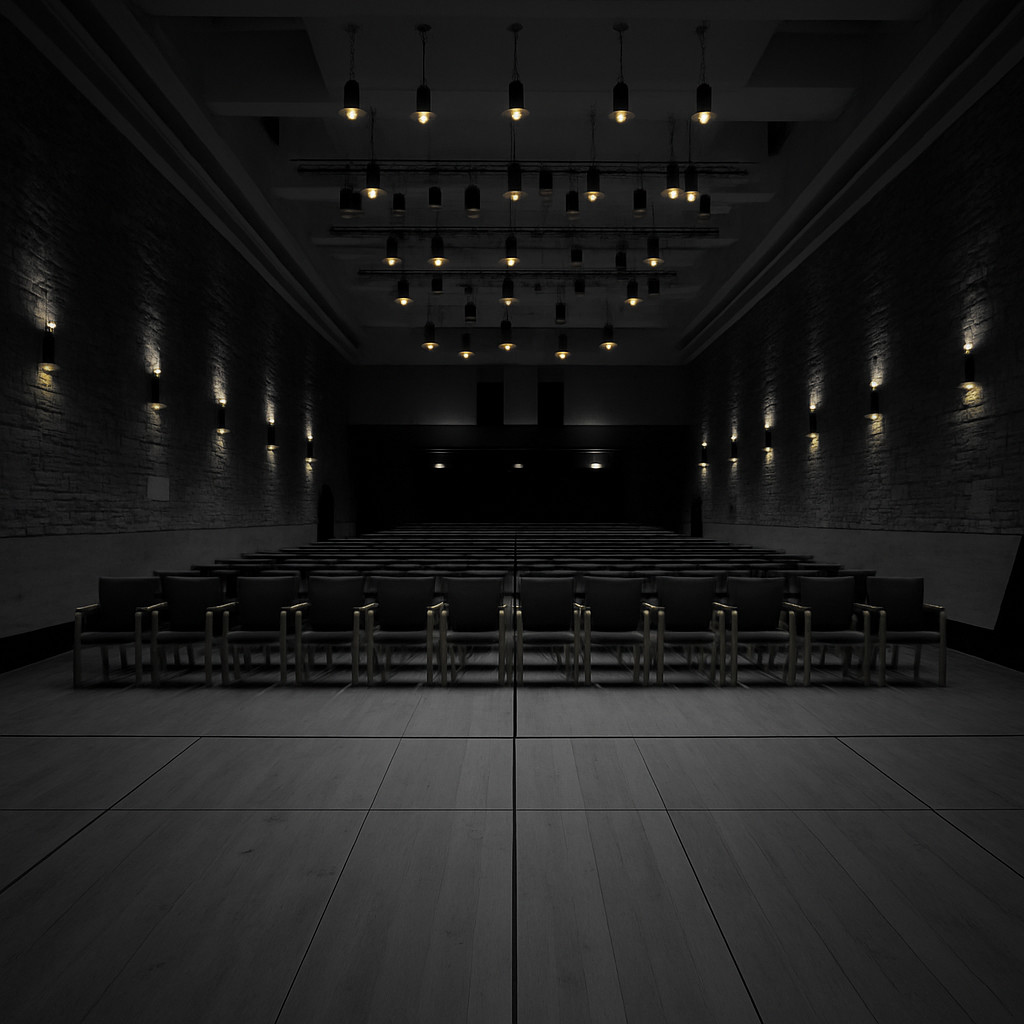
Style: Adaptive-reuse + minimalist interior
Founded: Concert hall phase opened in early 2010s
Located in Budapest’s IX district, the BMC focuses on contemporary classical, jazz, new music and chamber performance. It’s not as large nor as widely known as the major halls but it plays a major role in the city’s music ecosystem.
Architecture & sound: Smaller hall, excellent clarity and intimacy.
Trip tip: A good choice for adventurous listeners and smaller-scale concerts.
Budapest Music Center — Location on the Map
The Budapest Music Center, located in the heart of District IX, stands as a symbol of Hungary’s contemporary music scene. Its state-of-the-art concert halls and the famous Opus Jazz Club make it a must-visit destination for lovers of chamber music, jazz, and avant-garde performance in Budapest.
Planning your night out & selecting your venue
- For big orchestras & majestic sound: Go with Müpa or Vigadó.
- For piano, chamber music or acoustics: Choose Liszt Academy.
- For large opera or gala shows: Consider Erkel or Danube Palace.
- For contemporary or jazz: BMC is ideal.
Seat tips:
- At Müpa, center stalls or front balcony give best mix.
- At Liszt Academy, rows mid-stall or first balcony center.
- At Vigadó, central seats give balanced experience.
Pair your visit with sightseeing:
- A stroll along the Andrássy Avenue before performance.
- A sunset view from the Danube Promenade after the show.
Why it matters & how architecture shapes sound
Each hall in Budapest reflects a moment in the city’s story: the 1860s optimism, the salon culture of the 1890s, Art Nouveau ambition of the 1900s, mid-century reconstruction and 21st-century cultural investment. The concert halls in Budapest are not just venues—they are landmarks of music, architecture and national identity.
Modern design (Müpa) emphasises flexibility and clarity. Historic halls bring ornament, ritual and resonance. Travelling between them gives a sense of place and time as much as music.