The Fortress Above the Danube
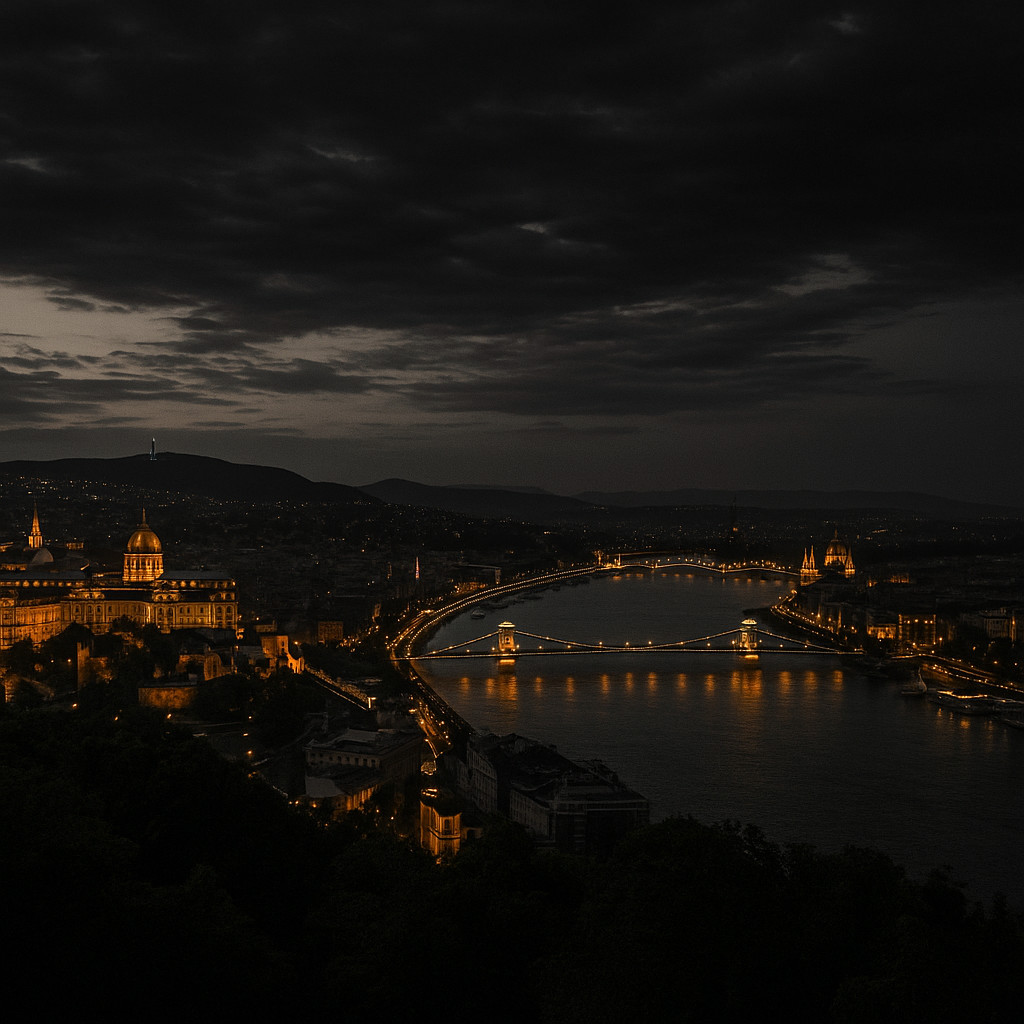
Standing atop Gellért Hill, the Citadella reigns over Budapest like a silent guardian. From this height, the Danube River cuts through the city like a silver thread, and every bridge glows like a story told in light.
Built in the 19th century, the Citadella once symbolized control and power. Today, it represents freedom — and offers the most awe-inspiring panorama of Budapest, day or night.
If you’ve admired the skyline from the St. Stephen’s Basilica Dome or the Elizabeth Lookout, prepare for something even more powerful. From here, the entire city lies at your feet.
A Fortress Turned Symbol
The Citadella was built in 1854 by the Austrian Habsburgs, following the Hungarian Revolution of 1848. Its purpose was not defense, but domination — a fortress meant to remind Budapest of who ruled from above.
Yet history changed. After World War II, the Citadella became a monument to peace. At its summit stands the Liberty Statue, holding a palm leaf high against the sky — a symbol of Hungary’s independence and rebirth.
Today, the fortress welcomes travelers, not soldiers. The cannons are silent, and the only sound that echoes across the walls is the wind over the Danube.
The Panorama of a Lifetime
From the Citadella Viewpoint, the Chain Bridge, Parliament, and Buda Castle align in a perfect tableau. On clear evenings, the city lights shimmer across both banks of the river, reflecting golden and white hues.
You can see the Margaret Island in the distance, the Liberty Bridge glowing green below, and beyond that, the endless roofs of Pest.
Sunrise offers serenity; sunset, pure drama. And at night, Budapest becomes a constellation — radiant, calm, eternal.
How to Get There
You can reach the Citadella by a scenic walk up Gellért Hill, starting near the Gellért Thermal Bath, or take a bus or taxi to the summit. The walk takes about 20–30 minutes, passing leafy paths and small viewpoints.
For those who enjoy panoramic hikes, it’s the most rewarding climb in the city. Bring water, a camera, and time — the kind of place that deserves a pause.
Nearby Wonders
At the base of Gellért Hill, you’ll find treasures like the Gellért Thermal Bath, a masterpiece of Art Nouveau design, and the Philosophers’ Garden, where statues of spiritual leaders gaze peacefully toward the horizon.
If you loved the mystical charm of Gellért Hill Views or the quiet height of Normafa Viewpoint, the Citadella is their crown — the point where nature, history, and soul converge.
The Light of Liberty
At sunset, the Liberty Statue becomes more than a monument — it becomes a beacon. Her silhouette shines golden against the violet sky, and her palm leaf catches the last rays of daylight.
Below, Budapest awakens in light: trams glide along the river, bridges pulse with color, and the Parliament gleams like a jewel.
From here, you see not just a city, but a living symphony — where every tower, dome, and reflection tells a story of resilience and beauty.
A Timeless Watchtower
The Citadella has seen empires rise and fall, wars end, and peace return. And yet, through it all, it has kept its silent watch — protecting, observing, inspiring.
Whether you visit at dawn or after midnight, you’ll feel it: that sense of standing on history itself.
Budapest stretches beneath you, glowing like eternity — and you realize that no other place captures the city’s soul quite like this one.
Citadella — Location on the Map
Standing atop Gellért Hill, the Citadella rewards every climb with the most spectacular view in Budapest. From sunrise to nightfall, visitors can gaze over the shimmering Danube, its bridges, and the glowing skyline — a view that captures the entire soul of the Hungarian capital in one frame.