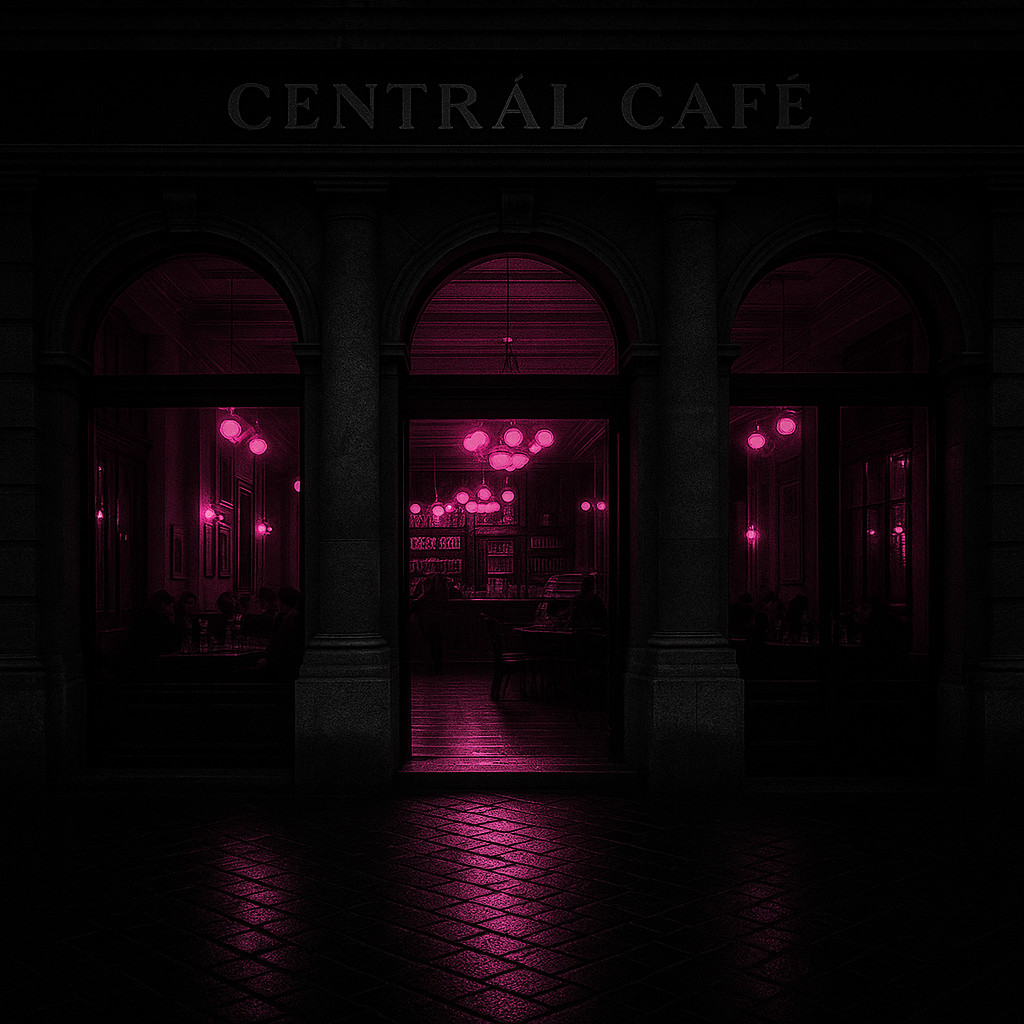
Hidden between the echoes of the past and the rhythm of modern Pest, Centrál Café Budapest stands as one of the city’s most elegant survivors — a café not only of coffee and cakes, but of words, dreams, and revolutions.
In a city famous for its cafés, Centrál is not just another stop. It is the beating literary heart of Budapest, where marble tables once trembled beneath the pens of poets, and the air still carries the faint hum of inspiration.
A Place Born from Genius
Founded in 1887, Centrál Café became the cradle of Hungary’s intellectual and artistic movements. Writers, journalists, and philosophers gathered beneath its chandeliers, turning the café into a laboratory of ideas.
It was here that members of the Nyugat (West) literary journal — the most influential in Hungarian history — debated art, politics, and philosophy. The café’s spirit of conversation and creativity was so powerful that many still call it “Budapest’s University of the Mind.”
Though the world outside changed — through wars, revolutions, and new regimes — Centrál Café Budapest never lost its voice. Its walls still whisper in Hungarian, French, and German — the languages of Central Europe’s restless soul.
The Architecture of Intellect
From the moment you step inside, Centrál Café feels timeless. The high ceilings, golden lamps, and Art Nouveau details evoke the age of the Austro-Hungarian Empire — when beauty was not a luxury but an expectation.
Mirrors expand the space, giving the illusion that conversation continues infinitely. The floor tiles glimmer under soft amber light, and every corner seems to hold a memory — a poet lost in thought, a journalist drafting a headline that would shake the city.
The interior restoration completed in 2000 brought the café back to its original splendor, preserving every detail while adding a subtle modern touch. It is less a reconstruction and more a resurrection of elegance.
Coffee and Creation
The menu at Centrál Café Budapest pays tribute to tradition.
Here, espresso isn’t a rush; it’s a ritual. The coffee is strong and aromatic, poured into porcelain cups with golden rims. Alongside it comes the legacy of Hungarian confectionery: Dobos torte, Eszterházy cake, and the signature Centrál cheesecake.
But what truly defines the experience is the atmosphere. Sitting at one of its marble tables, you can almost imagine Ferenc Molnár, author of The Paul Street Boys, scribbling notes beside his coffee, or Endre Ady, Hungary’s great romantic poet, gazing into the smoke-filled air.
Every sound — the clink of a spoon, the murmur of Hungarian voices, the faint jazz in the background — feels like part of an old rhythm rediscovered.
Where Past and Present Meet
Today, Centrál Café Budapest attracts not only locals but travelers seeking authenticity. Yet it has never become a museum piece. Students study here, writers type on laptops, and the same conversations about art and purpose continue, just translated into modern forms.
Outside, the city has transformed — trams glide past, neon signs blink — but inside, time slows. The café remains a place where ideas, not trends, define the atmosphere.
If you’re exploring Pest’s cultural center, it’s only minutes from the Hungarian National Museum and Váci Street. It also pairs perfectly with a visit to Gerbeaud Café at Vörösmarty Square — both icons of Budapest’s café heritage.
The Legacy of Budapest’s Coffee Culture
To understand Centrál Café, one must understand Budapest’s café tradition — a phenomenon that once rivaled Vienna’s.
By the early 1900s, the city had over 500 coffeehouses, each serving as a gathering place for artists, revolutionaries, or chess players.
While some, like New York Café, dazzled with opulence, Centrál earned its fame through intimacy and intellect. It was the café of thinkers, not kings — and it still feels that way today.
When you visit, order a coffee and sit quietly for a few moments. The silence is not emptiness; it’s the echo of thought.
A Cultural Pilgrimage
For lovers of literature, Centrál Café Budapest is a sacred stop. Its guestbook reads like a roll call of Central Europe’s genius — Mihály Babits, Dezső Kosztolányi, Gyula Krúdy, and more.
They debated everything here — from poetry to politics, love to loss — and their words shaped Hungary’s modern identity.
The café also became a refuge during darker times. When censorship silenced newspapers, its tables became unofficial editorial desks. When war dimmed the city’s lights, candles still burned in Centrál, and stories were still told.
Practical Information
- Address: Károlyi utca 9, District V (near the University Library and Astoria)
- Metro: M3, stop “Ferenciek tere”
- Best time to visit: Late afternoon or early evening — when light fades and lamps begin to glow.
- What to order: Traditional krémes, hot chocolate with whipped cream, or their modern specialty — the Centrál truffle cake.
From here, you can continue your walk toward Elizabeth Square and the Danube Promenade — a perfect route from reflection to wonder.
A Café That Never Closes Its Mind
Centrál Café is more than a café; it’s an idea — that beauty and intellect belong together, that words can change the world, and that art must be lived, not only admired.
When you sit here, surrounded by mirrors and the faint scent of coffee, you feel part of a legacy that began more than a century ago and still continues — quietly, eloquently, endlessly.
Centrál Café Budapest is where writers still whisper, and the city still listens.
Centrál Café Budapest — Location on the Map
Located in the heart of downtown Pest, Centrál Café is one of Budapest’s most iconic literary cafés. Its high ceilings, marble tables, and golden chandeliers transport visitors back to the early 1900s — a time when great Hungarian writers filled the air with ideas, art, and inspiration.