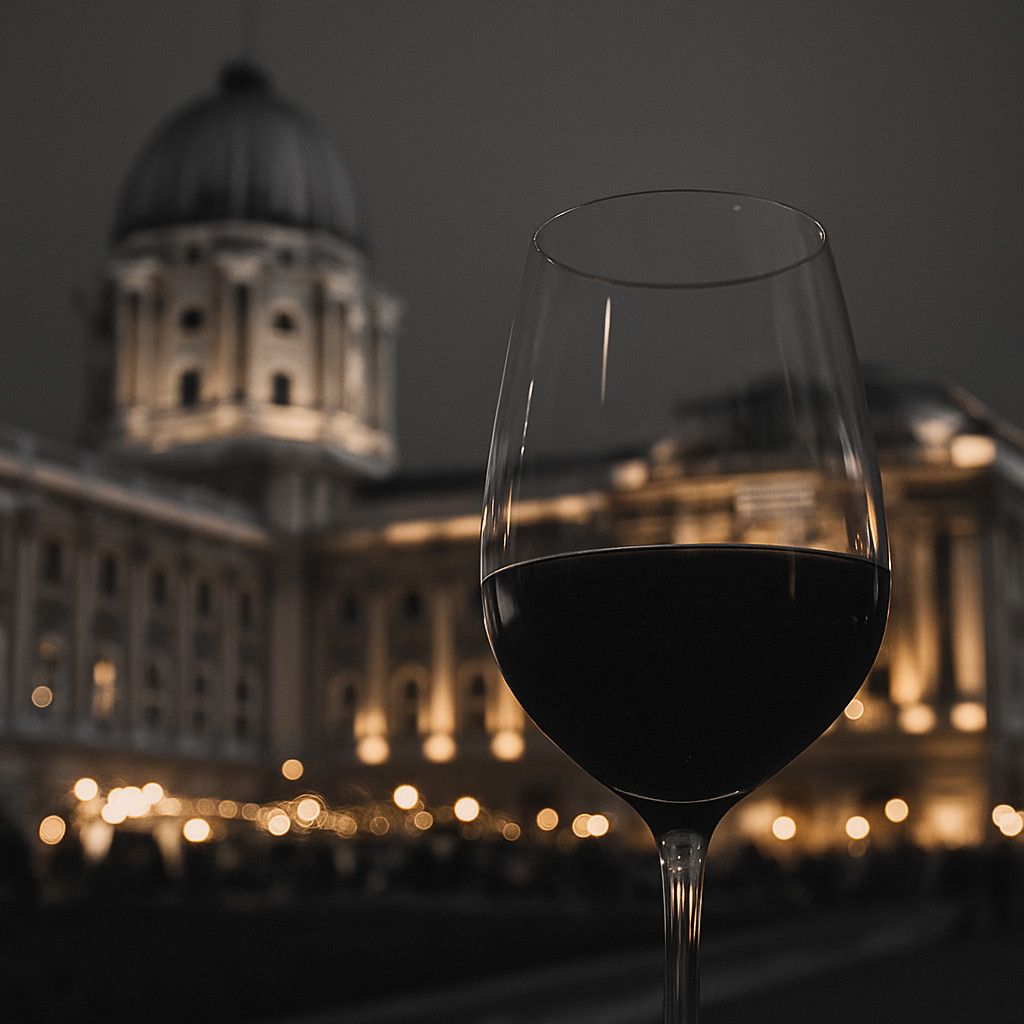
Few events capture the essence of Hungarian culture as elegantly as the Budapest Wine Festival. Each September, the courtyards of the Buda Castle fill with music, aromas, and thousands of glasses raised in celebration of a centuries-old tradition. More than a tasting event, it is a tribute to the craftsmanship, history, and passion that have made Hungarian wines known around the world.
A Tradition Rooted in History
Wine has been part of Hungarian life for over a thousand years. The Romans first planted vines along the hills of Pannonia, and by the Middle Ages, Hungarian monasteries were producing wines for trade across Europe. Tokaj, often called the “Wine of Kings,” became one of the continent’s most prized sweet wines, favoured by monarchs such as Louis XIV of France and Peter the Great of Russia.
After centuries of prosperity, the 20th century brought challenges: wars, occupation, and the nationalisation of vineyards. But when Hungary opened its borders again in the 1990s, winemakers revived their ancient traditions and reclaimed their identity. It was during this renaissance, in 1992, that the first Budapest Wine Festival was held. Its goal was simple yet ambitious — to showcase the rebirth of Hungarian viticulture in the symbolic heart of the nation: the Buda Castle.
Today, it is the country’s most prestigious wine event, attracting thousands of visitors and more than 150 wineries from every corner of Hungary.
(The official site is budapestwinefestival.com.)
The Setting — Buda Castle and the Danube View
The festival takes place within the Buda Castle District, a UNESCO World Heritage Site that offers one of the most breathtaking views in Europe. From the castle’s terraces, the Danube glows below, and the Parliament across the river becomes a golden silhouette at sunset.
The event spreads across several courtyards, each dedicated to different regions, themes, and music stages. Visitors stroll from one terrace to another, tasting wines while live bands play Hungarian folk and jazz. The castle’s illuminated façade adds to the atmosphere, blending history and elegance in every step.
Buda Castle and the Danube View — Location on the Map
From the terraces of Buda Castle, the Danube divides the city in a sweeping curve, framed by the Chain Bridge, Parliament, and the rooftops of Pest. This vantage point blends royal history with some of Budapest’s most unforgettable scenery.
Hungarian Wine Regions to Discover
The Budapest Wine Festival brings together the best of Hungary’s 22 wine regions. Each area has its own story, grape varieties, and character, making the festival an extraordinary journey through the nation’s geography and flavours.
Tokaj — The Sweet Legend
Located in northeast Hungary, Tokaj is the oldest classified wine region in the world. Its volcanic soil and microclimate create the famous Tokaji Aszú, a sweet wine made from noble rot grapes. Its golden colour and honeyed notes have been celebrated for centuries as “the wine of kings and the king of wines.”
(Read more about Tokaj in our guide to the Sweet Wine Region of Hungary.)
Eger — The Strength of Tradition
Eger, in northern Hungary, is home to Egri Bikavér (Bull’s Blood), a deep red blend symbolising resilience and pride. Legend says it gained its name when Hungarian warriors drank it before defending the fortress of Eger against the Ottomans.
Villány — Power and Passion
Southern Hungary’s Villány region is renowned for bold reds, especially Cabernet Franc and Merlot. Many family-owned wineries here gained international recognition for their full-bodied, elegant style.
Balaton — Lakeside Freshness
The vineyards around Lake Balaton produce refreshing whites, such as Olaszrizling and Chardonnay, shaped by the breeze and the volcanic soil surrounding the lake. These wines pair perfectly with fish and summer dishes.
At the festival, all these regions converge, creating a vibrant showcase of Hungary’s diversity in flavour and landscape.
The Atmosphere — Where Wine Meets Culture
What makes the Budapest Wine Festival truly unique is its setting and mood. The combination of music, architecture, and the scent of freshly poured wine creates an atmosphere unlike any other.
As the afternoon sun fades, the terraces fill with a golden glow, and musicians begin to play folk songs and jazz under the open sky. Locals and travellers gather at wooden tables, talking with winemakers about harvests, weather, and family vineyards. The experience feels both intimate and grand — as if time has slowed inside the walls of the castle.
After dark, the Danube reflects the lights from the bridges below. It is the perfect time to pause, raise your glass, and realise that few places in the world celebrate wine quite like Budapest.
Wineries and Experiences
More than 150 wineries participate every year, ranging from small family cellars to major Hungarian brands. Some of the most beloved names you can expect to find include:
- Disznókő Tokaj – world-famous for Tokaji Aszú wines.
- Tiffán’s Villány – classic, powerful reds from southern Hungary.
- St. Andrea Eger – elegant red blends and barrel-aged whites.
- Figula Balatonfüred – delicate whites with fresh mineral notes.
- Gere Attila Winery – one of Hungary’s leading producers, known for complex Cabernet Franc.
- Sauska Wines – innovative, modern blends from Tokaj and Villány.
Most wineries offer tasting flights, allowing visitors to sample several vintages. You can also purchase bottles to take home, often signed by the winemaker.
Food and Pairings
Wine in Hungary is never served alone. The festival offers a rich selection of Hungarian cuisine, designed to complement the country’s wines. Traditional dishes include:
- Gulyás (goulash soup) served in bread bowls.
- Kolbász (smoked sausage) grilled over open flame.
- Sajttál (cheese platter) featuring local varieties from rural farms.
- Pogácsa (savory pastry) often paired with white wines.
- Lángos, a fried flatbread with sour cream and cheese, popular among locals.
Sweet Tokaji wines pair beautifully with desserts such as beigli (walnut or poppy seed roll) and rétes (Hungarian strudel). The aromas of roasted nuts, paprika, and baked dough mingle with the sound of violins, creating a sensory experience that feels both festive and refined.
Practical Tips for Visiting the Budapest Wine Festival
- When: Every year in September (exact dates vary).
- Where: Buda Castle courtyards, accessible from Clark Ádám Square or by the funicular.
- Hours: Typically open from midday until late evening.
- Tickets: Entrance includes a tasting glass, which you can refill at each stand.
- Payment: Most stalls use a cashless card system — easy and convenient.
- Best time to visit: Late afternoon, around 5–6 p.m., when the light is perfect and crowds are smaller.
- Dress code: Smart casual; evenings can be cool, so bring a jacket.
- Getting there: Take the Castle Bus (16 or 216) from Deák Ferenc Square, or walk up from the Chain Bridge.
Why It Matters
The Budapest Wine Festival is more than an event — it is a mirror of Hungary’s identity. Each glass represents a region, a family, and a story that has endured through centuries of change. The festival connects past and present: medieval cellars meet modern tastes, and local pride meets global recognition.
Standing on the terrace of the Buda Castle with a glass of Tokaji or Villány red, you can taste the essence of Hungary — its resilience, creativity, and hospitality.
Conclusion — Raise a Glass to Budapest
The Budapest Wine Festival is where culture, history, and pleasure come together above the Danube. It’s a celebration that unites locals and travellers in the same timeless ritual: sharing wine, stories, and moments under the autumn sky.
And if you want to explore more beyond the festival — to walk through the alleys, gardens, and courtyards that define the spirit of Buda — join our Budapest Walking Tour.
Because every great wine, like every great city, deserves to be discovered slowly, one step at a time.