A Journey into Hungary’s Industrial Soul
There is a special kind of silence that lingers over the Budapest Railway Museum — the silence of iron giants resting after decades of motion.
Inside this vast open-air museum, steam locomotives, elegant carriages, and mechanical relics of the past stand still, yet somehow alive, whispering the story of a nation built on steel and ambition.
Located near City Park Budapest (Városliget), this museum offers a glimpse into Hungary’s golden age of railways.
It is not simply a collection of machines; it’s a place where history, engineering, and imagination meet under the open sky.
From Steam to Steel — The Birth of a Nation on Rails
The Budapest Railway Museum was opened in 2000 on the grounds of the former Hungarian State Railways depot.
Its mission: to preserve and celebrate one of Europe’s richest railway heritages.
Hungary’s first railway line opened in 1846, connecting Pest to Vác.
Within decades, Budapest became the heart of a network stretching across the Austro-Hungarian Empire.
These rails carried coal, soldiers, artists, and dreamers — the pulse of an era driven by steam and invention.
Walking through the museum today, you can still feel that pulse.
Massive locomotives from the 19th and 20th centuries stand proudly, their rivets glinting like battle scars.
Each one tells a story: of wars survived, revolutions endured, and journeys remembered.
The Collection — Iron, Fire, and Memory
Spread across more than 70,000 square meters, the museum is one of Europe’s largest open-air railway exhibits.
It features over 100 railway vehicles, from steam engines and diesel locomotives to elegant passenger cars and royal carriages once used by Hungarian kings.
Among its most iconic pieces:
- MÁV 301 series — a 1911 steam locomotive known for its speed and grace.
- The Royal Train Carriage of Emperor Franz Joseph, built with oak and velvet interiors.
- The 424 steam engine, a symbol of Hungarian engineering, displayed like a monument to industrial pride.
Each machine feels like a character from another time — majestic, dignified, and surprisingly human.
Visitors can climb aboard many of the trains, explore driver cabins, and even turn the giant metal wheels.
It’s a rare kind of museum where touching history is not only allowed, but encouraged.
The Turntable and the Roundhouse
At the heart of the museum lies its most mesmerizing feature: the working turntable.
Standing on it, you can watch as locomotives are rotated like dancers on a stage — a perfect mechanical ballet.
Surrounding the turntable is the roundhouse, where engineers once repaired engines through the night.
Today, its massive iron doors and arched ceilings give visitors a cinematic sense of industrial architecture.
This part of the museum feels almost sacred — a temple of machines where light filters through dusty windows onto silent engines.
For Families and Dreamers
The Budapest Railway Museum is not only for enthusiasts.
It’s a place where adults remember their childhood fascination with trains, and children discover it for the first time.
There are miniature railways where kids can drive small locomotives, exhibitions on railway uniforms, and model train displays that recreate Hungary’s landscapes in astonishing detail.
Every summer, the museum hosts the Family Railway Days, an event filled with vintage rides, guided tours, and workshops.
It’s history told through motion, sound, and wonder — a rare combination that turns learning into adventure.
Between Rails and Art — Nearby Attractions
Just a short walk away lies Heroes’ Square Budapest, where statues of kings and warriors commemorate the nation’s founding.
From there, it’s easy to continue into City Park Budapest (Városliget), home to the Vajdahunyad Castle and the Museum of Fine Arts Budapest, both offering a glimpse into the artistic and cultural grandeur that mirrored Hungary’s industrial rise.
For those who enjoy a touch of mystery, the underground world of the Buda Castle Labyrinth or the Kőbánya Cellars provides an atmospheric contrast to the museum’s open-air spaces.
In Budapest, history is never isolated — it’s all connected by the same sense of transformation and endurance.
A Living Memory of Motion
Unlike most museums, this one is alive.
On certain weekends, some locomotives are brought back to life — wheels turning, steam hissing, whistles echoing across the yard.
It’s a reminder that these machines were never meant to sleep forever.
Visitors describe the moment as magical: a deep rumble, a burst of smoke, and suddenly time bends.
For a brief second, Budapest feels like it’s moving again through the age of steam.
Every hiss and spark seems to awaken something ancient — the collective memory of a nation once defined by progress and motion.
Why Visit
The Budapest Railway Museum is one of those places that quietly reveals the city’s soul.
It combines nostalgia, innovation, and the beauty of imperfection.
Standing among these silent engines, you begin to understand why Budapest feels so alive: its greatness lies not in what it hides, but in what it preserves.
Join the Walk
For travelers who love stories hidden behind steel and stone, pairing your visit with a Budapest Walking Tour adds an entirely new dimension.
Our guides connect the industrial history of the city to its cultural heartbeat — from railway pioneers to the grand boulevards and bridges that defined a century.
We walk through Budapest as if it were a living museum, where every monument, station, and street carries the echo of movement.
The Resting Giants
As evening falls, the museum transforms.
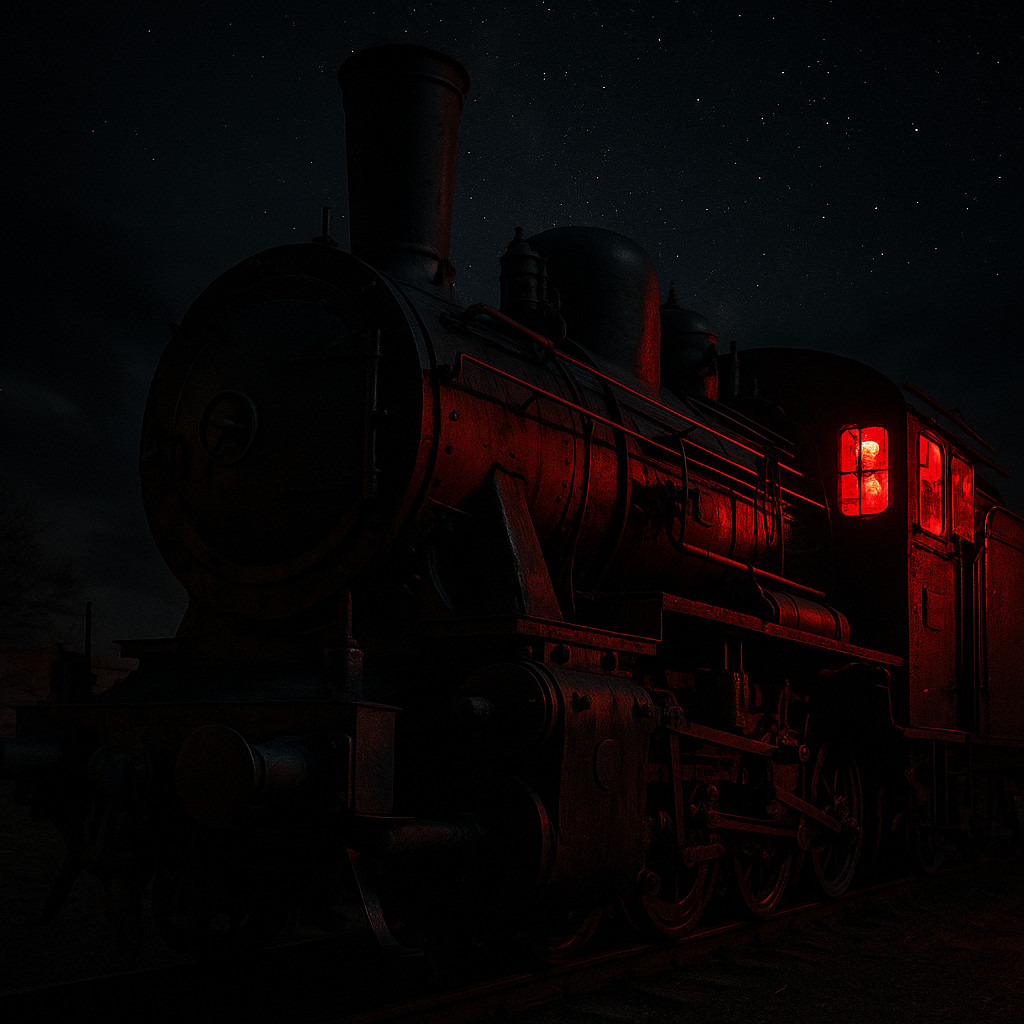
The iron beasts cast long shadows under the fading sun, their silhouettes sharp against the darkening sky.
The smell of oil and metal hangs in the air — an ancient perfume of invention.
They rest, but they do not fade.
The Budapest Railway Museum remains a place where engines still dream of motion and where visitors can stand between centuries, listening to the quiet heartbeat of iron and time.
Budapest Railway Museum — Location on the Map
Explore the Budapest Railway Museum, home to majestic steam locomotives and a vast collection of rail heritage. Visitors can climb aboard vintage trains, experience a nostalgic turntable ride, and learn about the golden era of Hungarian railways.