Few cities in Europe offer such a dazzling architectural journey as Budapest. The Hungarian capital is often called “the city of styles” — where Gothic spires rise beside Baroque domes, Neo-Renaissance palaces meet Art Nouveau curves, and Ottoman baths still steam beneath modern skylines.
Exploring its buildings is like walking through centuries of European art and power.
In this guide, we’ll uncover the main architectural styles in Budapest, explain the difference between Neo and historical versions, and highlight the most beautiful landmarks that embody each era.
The Meaning of “Neo” in Architecture
Before diving into the styles, it’s essential to understand the word “Neo” — from the Greek neos, meaning “new.”
In architecture, Neo- indicates a revival or reinterpretation of an older style.
For example:
- A Gothic cathedral was built in the Middle Ages.
- A Neo-Gothic building was built centuries later, inspired by that same medieval design.
Only structures from the original period can be called simply Gothic, Baroque, or Renaissance.
If the building was constructed later — even if it perfectly imitates that look — it must include the prefix Neo.
This distinction matters deeply in Budapest, since most of the city’s grand architecture emerged after 1867, during the Austro-Hungarian Empire’s golden age. Nearly every monumental building here is a Neo- version rather than a pure historical one.
Baroque and Neo-Baroque Splendor
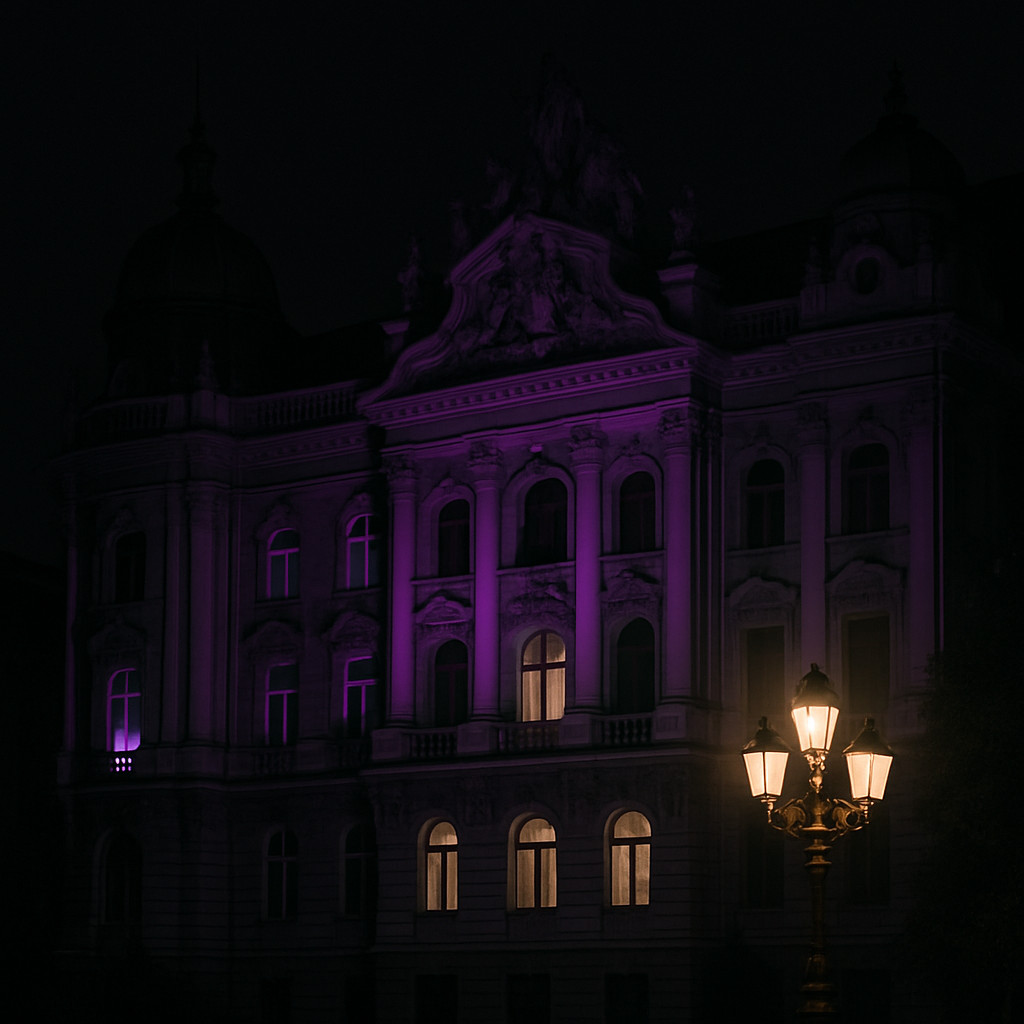
The Baroque style was born in 17th-century Italy and spread across Europe with dramatic energy — full of curves, gold details, and theatrical light.
Budapest’s earliest Baroque buildings date from the time when Buda was reclaimed from Ottoman rule.
You can still glimpse authentic Baroque remnants in the Buda Castle District, especially around the old churches and palaces explored in Walking Through Buda Castle District.
However, what dominates Budapest today is Neo-Baroque — a 19th-century revival of that same grandeur.
The most remarkable examples include:
- St. Stephen’s Basilica, blending Neo-Baroque opulence with Neo-Classical balance.
- The Vajdahunyad Castle in City Park, which mixes Baroque, Gothic, and Romanesque forms — a perfect example of Eclectic Architecture.
- The Opera House on Andrássy Avenue, a triumph of Neo-Renaissance design with heavy Baroque decoration.
Budapest’s Neo-Baroque style is theatrical, imperial, and deeply tied to the optimism of the late 1800s — when the city aimed to rival Vienna and Paris.
Neo-Renaissance — The Architecture of Elegance
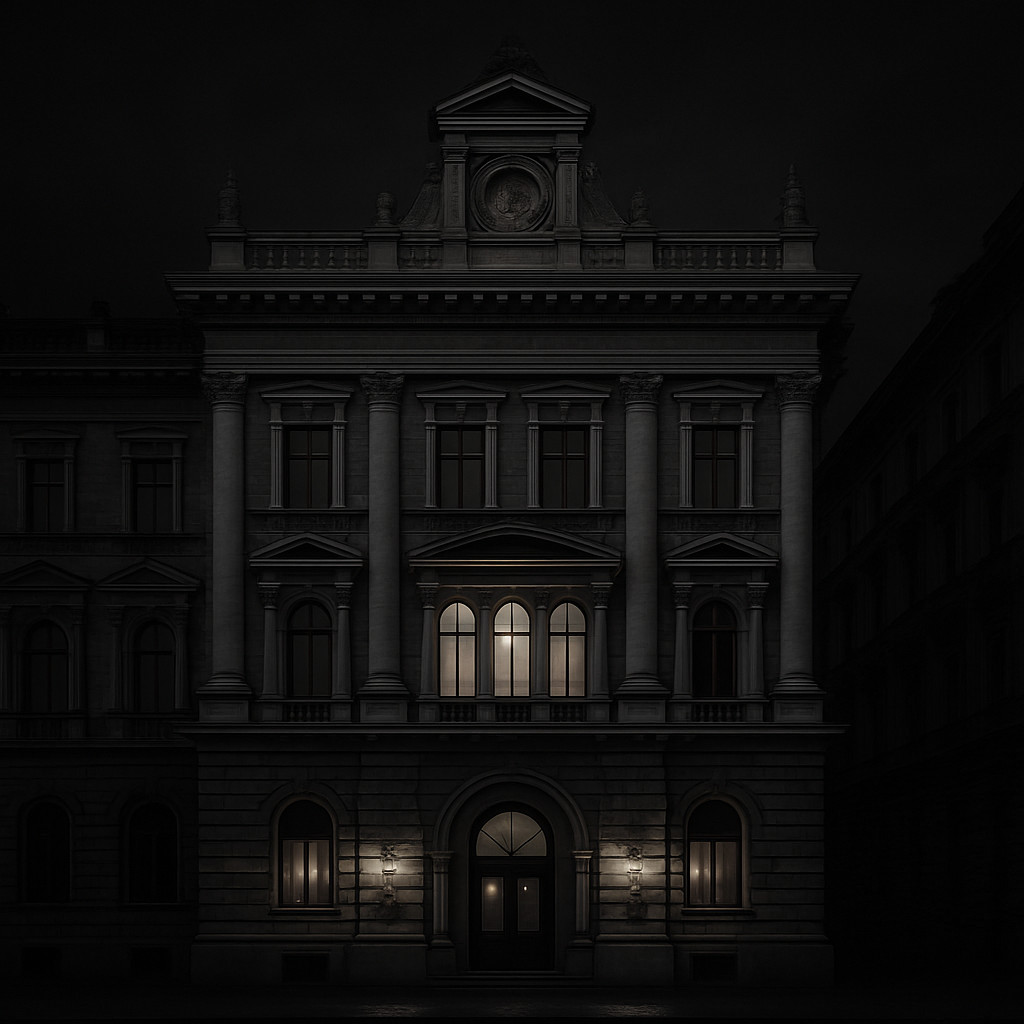
After centuries of excess, the 19th century rediscovered the calm proportions of the Renaissance.
Neo-Renaissance architecture valued harmony, geometry, and beauty inspired by classical antiquity.
The best-known Neo-Renaissance landmark in Budapest is the Hungarian State Opera House — a masterpiece of balance and detail. Its façade, richly ornamented but not overwhelming, reflects the cultural confidence of a modern European capital.
Another graceful example is St. Stephen’s Basilica, whose dome and symmetry recall the Renaissance ideal of human perfection.
Walking along Andrássy Avenue, you’ll find dozens of Neo-Renaissance palaces — their stone balconies, sculpted façades, and grand entrances forming what UNESCO called “an architectural harmony rarely seen in Europe.”
Neo-Gothic — The Romantic Face of Budapest
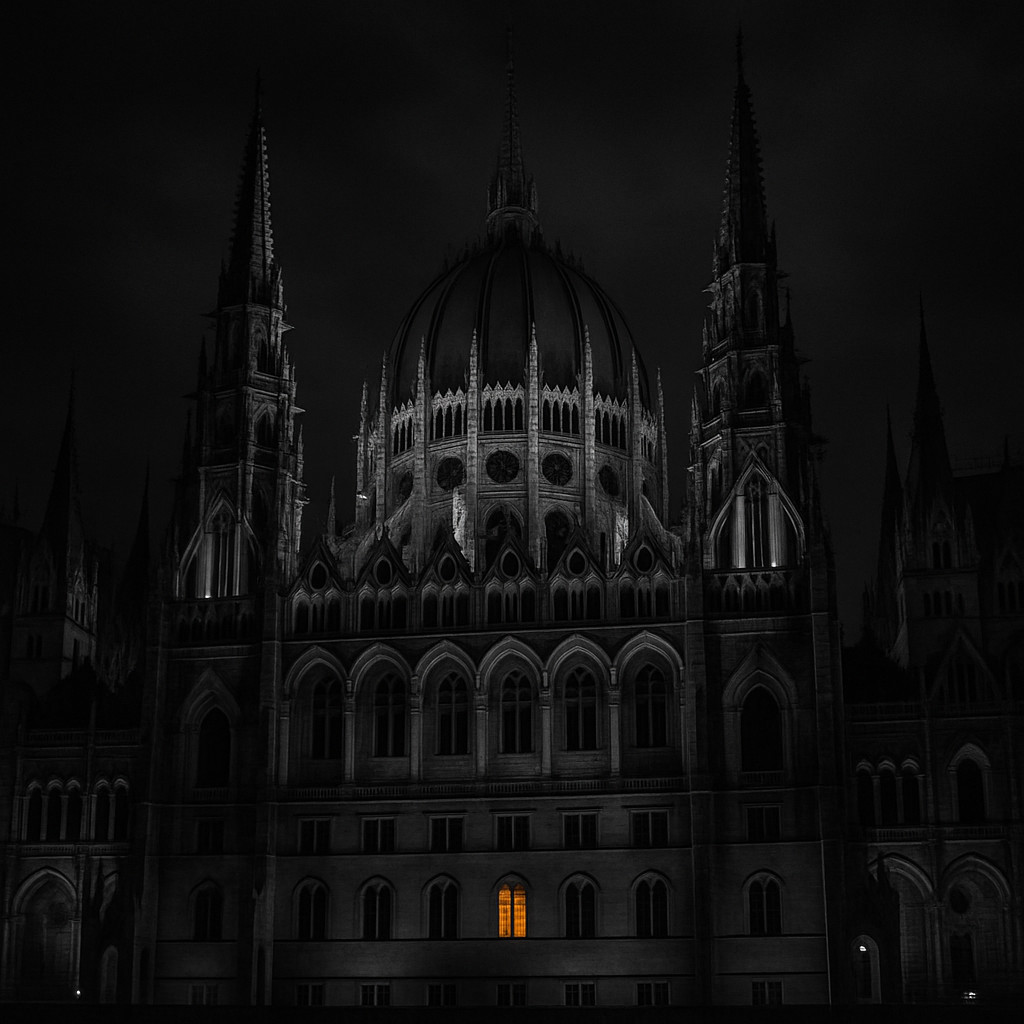
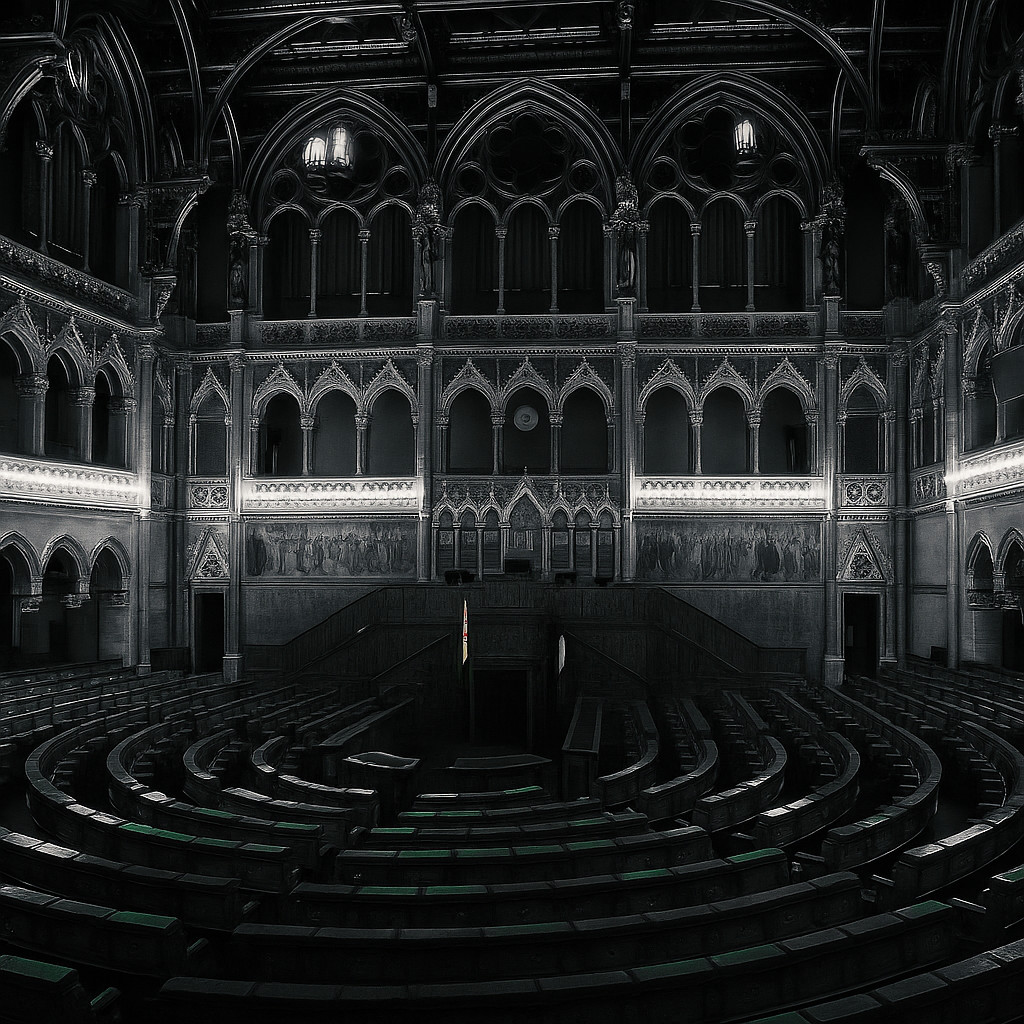
If any building defines Budapest’s skyline, it’s the Hungarian Parliament, standing proudly by the Danube.
Designed in the late 19th century, it is one of the world’s finest examples of Neo-Gothic architecture — soaring spires, pointed arches, and intricate stone lacework inspired by medieval cathedrals.
You can read its full story in The Hungarian Parliament Building in Budapest by the Danube.
Nearby, the Matthias Church in the Buda Castle District also embodies the Neo-Gothic revival, though parts of its structure trace back to the Middle Ages.
Its colorful tiled roof and delicate towers rise beside the fairytale Fisherman’s Bastion — a romantic reinterpretation of medieval fortresses.
Together, they form one of Europe’s most enchanting panoramas, best admired from the Danube Promenade or from a night river cruise.
Neo-Classical — Harmony and Power
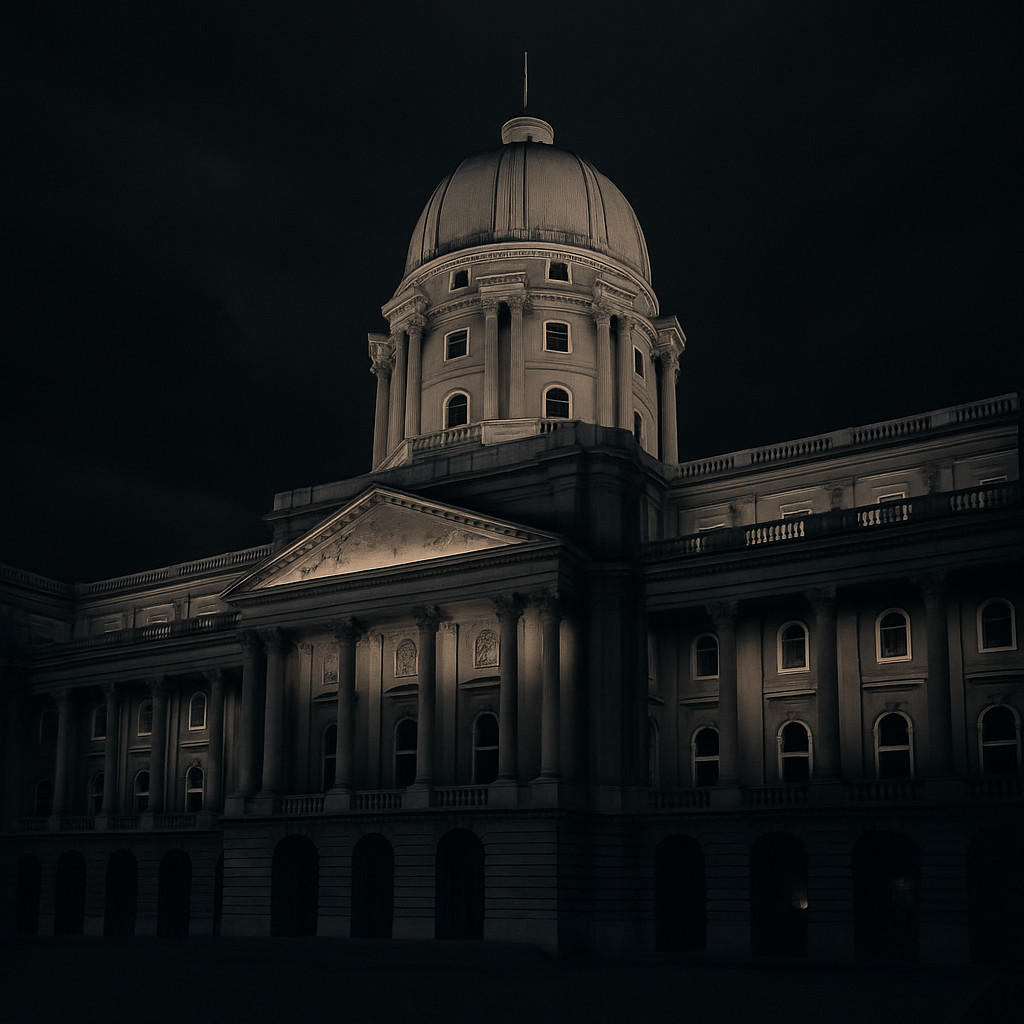
The Neo-Classical style returned to the purity and order of ancient Greece and Rome.
Budapest embraced this language of symmetry and monumental calm, especially for civic and religious buildings.
The most emblematic example is the Hungarian National Museum — its Corinthian columns and triangular pediment evoke a Roman temple of knowledge.
Another masterpiece is the lower structure of St. Stephen’s Basilica, whose geometry reflects Neo-Classical ideals before transitioning upward into Neo-Baroque splendor.
This architectural duality — discipline below, emotion above — perfectly captures the spirit of 19th-century Budapest: rational yet ambitious, ordered yet artistic.
Art Nouveau — The Soul of a Modern Budapest
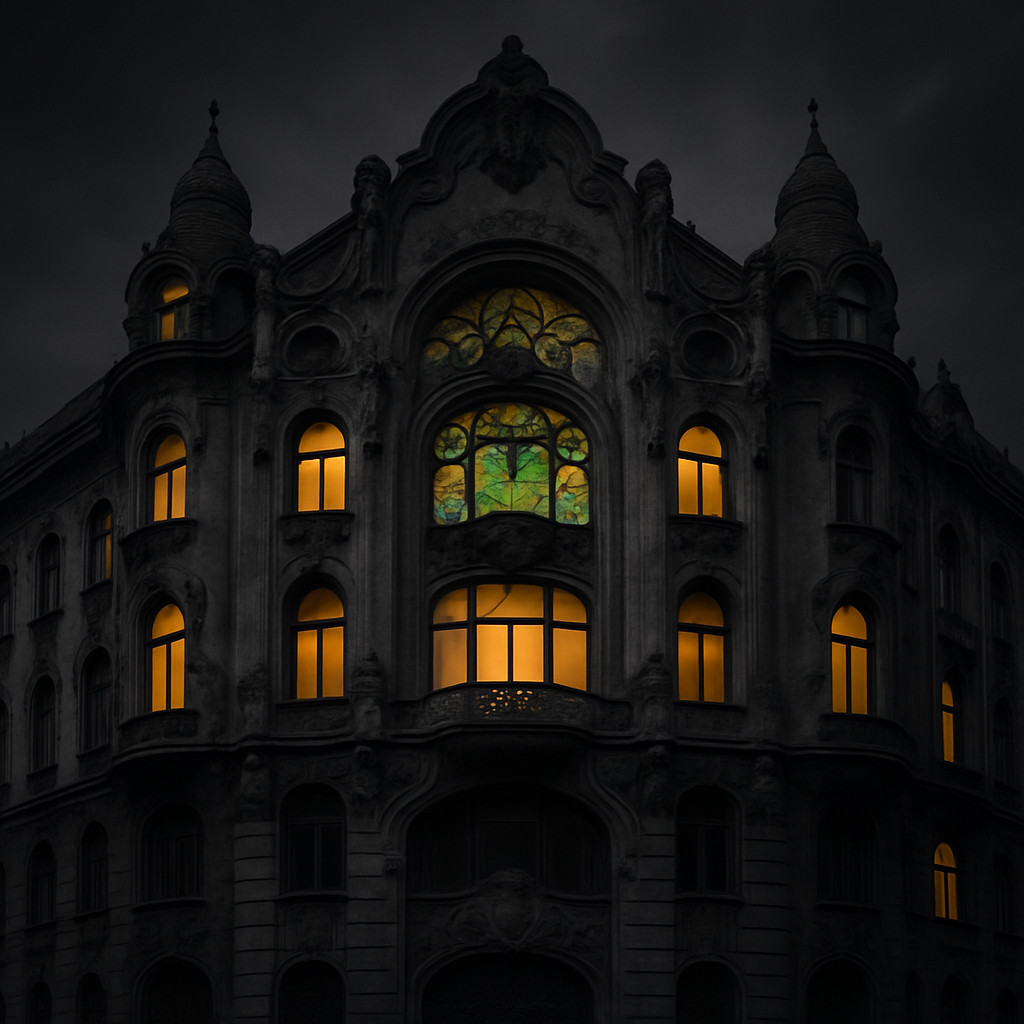
At the dawn of the 20th century, architecture broke free from historic imitation.
Art Nouveau (or Secession in Central Europe) celebrated organic forms, curved lines, and floral motifs, expressing nature and individuality rather than imperial symmetry.
Budapest became one of the Art Nouveau capitals of Europe, and its masterpieces remain breathtaking today:
- The Gellért Thermal Bath, where glass mosaics and pastel domes merge with healing waters.
- The Párisi Udvar Hotel, an oriental-inspired Art Nouveau gem filled with stained glass and golden ornament.
- The Szabó Ervin Library, known as “the hidden palace of books,” whose elegant interiors whisper of fin-de-siècle beauty.
- Even bridges like the Liberty Bridge display Art Nouveau ironwork — delicate yet strong.
Art Nouveau made Budapest sensual and human again, with façades that seem to breathe and bloom.
It remains one of the city’s most beloved styles, often combined with Eclectic or Neo-Renaissance structures.
Eclectic Architecture — The Budapest Identity
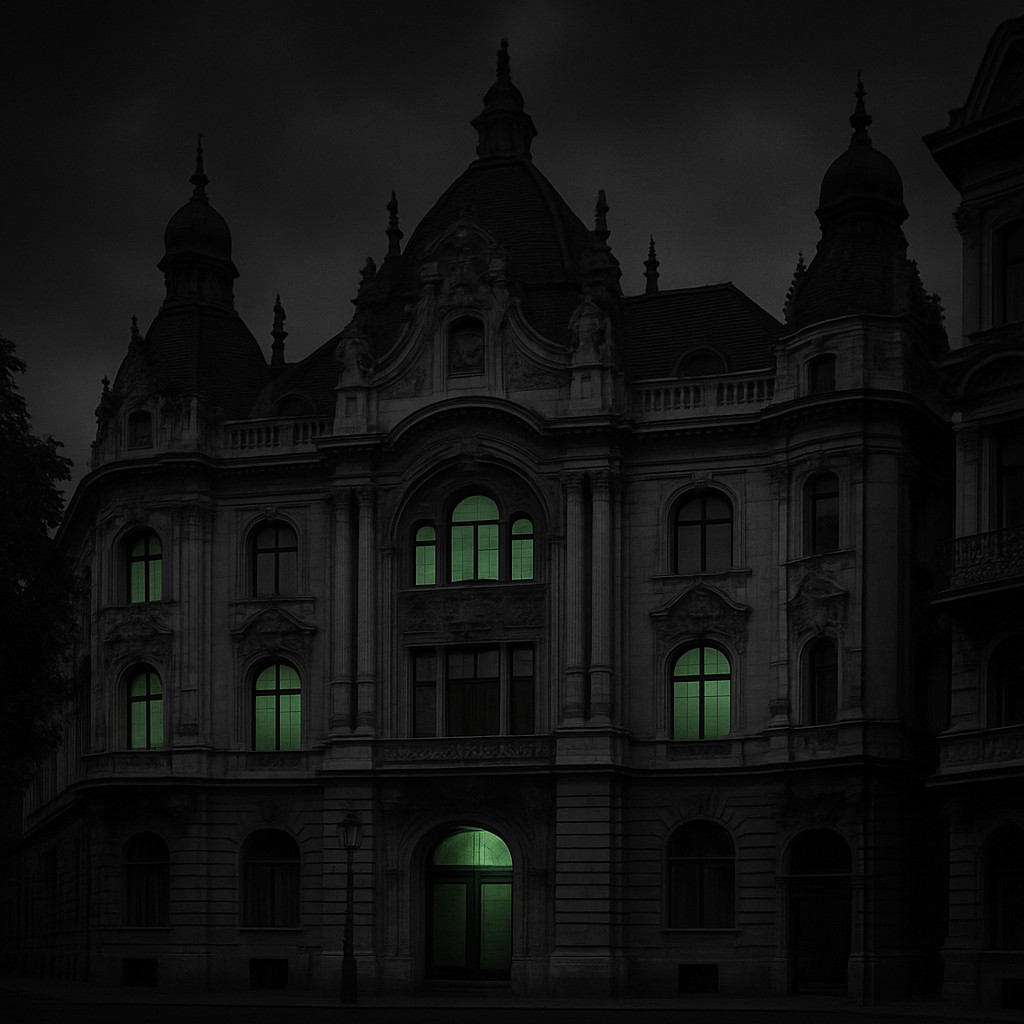
If one term defines the city’s skyline, it’s Eclectic Architecture — the art of blending styles.
Budapest’s architects didn’t choose between Gothic, Renaissance, or Baroque. They combined them all.
The perfect symbol of this creative fusion is Vajdahunyad Castle in City Park.
Originally built for the 1896 Millennium Exhibition, it unites Romanesque, Gothic, Renaissance, and Baroque sections into one dreamlike complex.
From every angle, it looks like a different century — a living textbook of Hungarian architectural pride.
Even cafés and hotels — such as the New York Café and Gerbeaud Café — mix Art Nouveau curves with Baroque opulence.
This blend gives Budapest its unique personality: a city where the past and present never clash, but dance together.
Ottoman Influence — The Legacy of the East
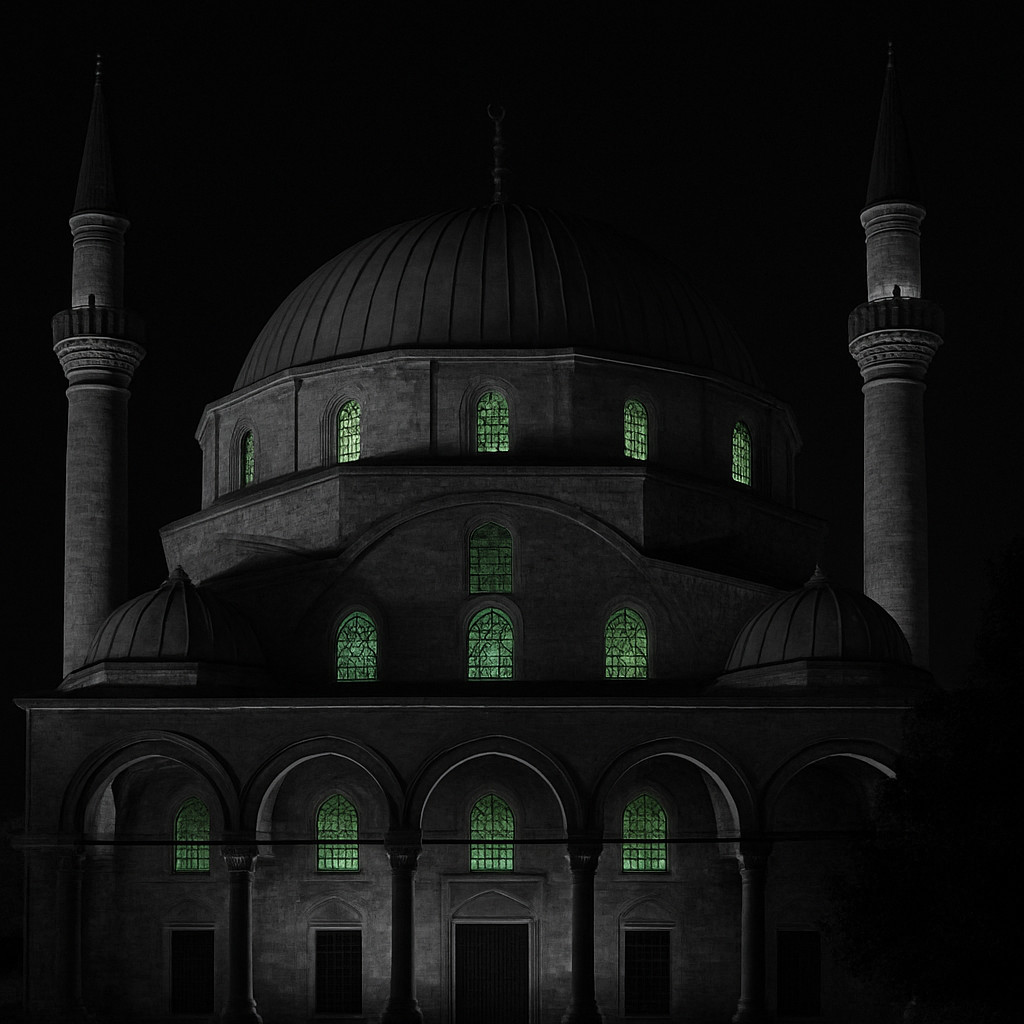
Long before grand European revivals, Budapest was shaped by the Ottoman Empire.
Between the 16th and 17th centuries, Turkish rulers built baths, tombs, and mosques, many of which still define the city’s spa culture.
The best preserved example is the Rudas Baths — with its 16-sided dome and natural hot springs glowing beneath colored glass.
This Ottoman Influence lives on in the rhythm of the city’s baths, where East meets West and ancient rituals blend with modern wellness.
Even newer spas like Széchenyi Thermal Bath and Gellért Bath carry traces of this oriental legacy in their domes and mosaics.
Modernism and Contemporary Touches
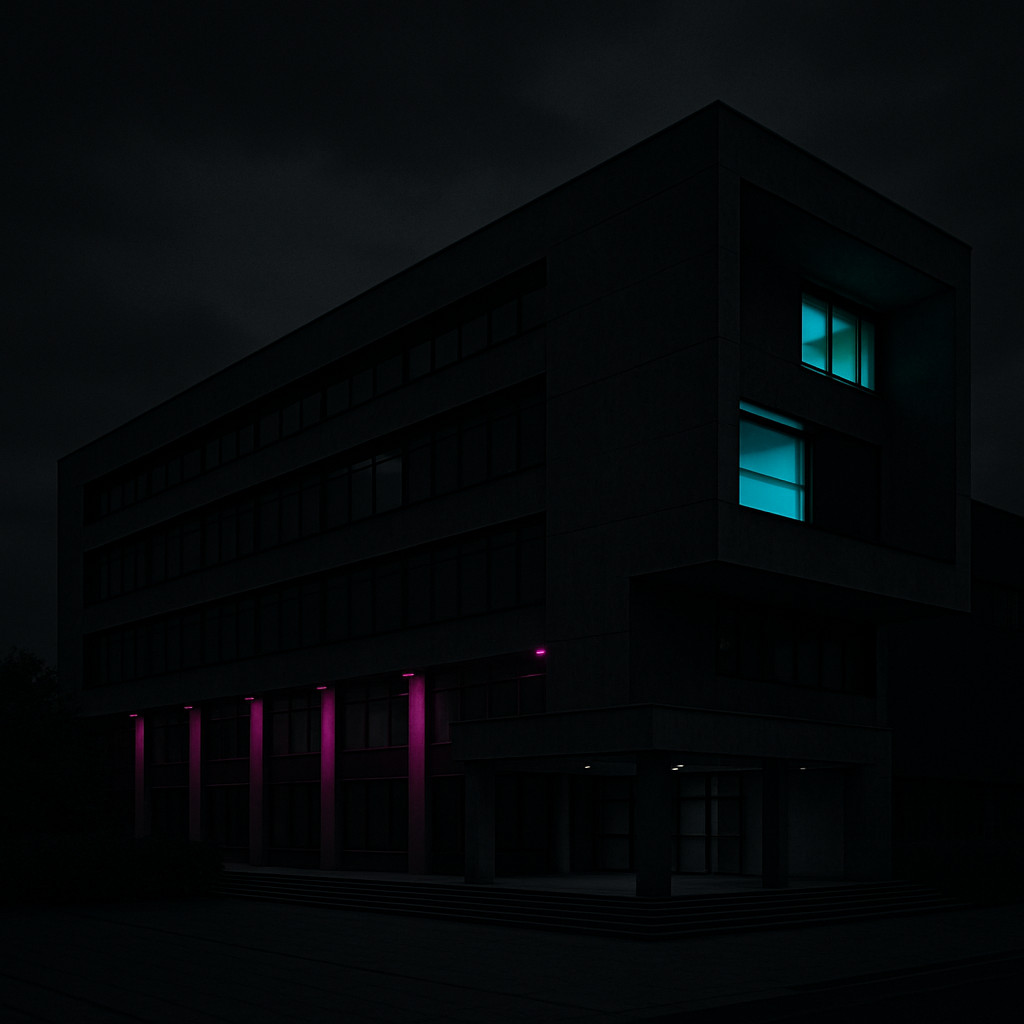
After the Art Nouveau wave, Budapest entered the modern age with more minimalist expressions — Modernist and Functionalist architecture in the 20th century.
While less ornate, these buildings reflected efficiency and progress, complementing the historical skyline rather than competing with it.
Landmarks like the National Theatre or Müpa — Palace of Arts represent a contemporary continuation of the city’s artistic ambition — proving that Budapest never stopped reinventing itself.
Brutalist Architecture in Budapest: Echoes of the Socialist Era
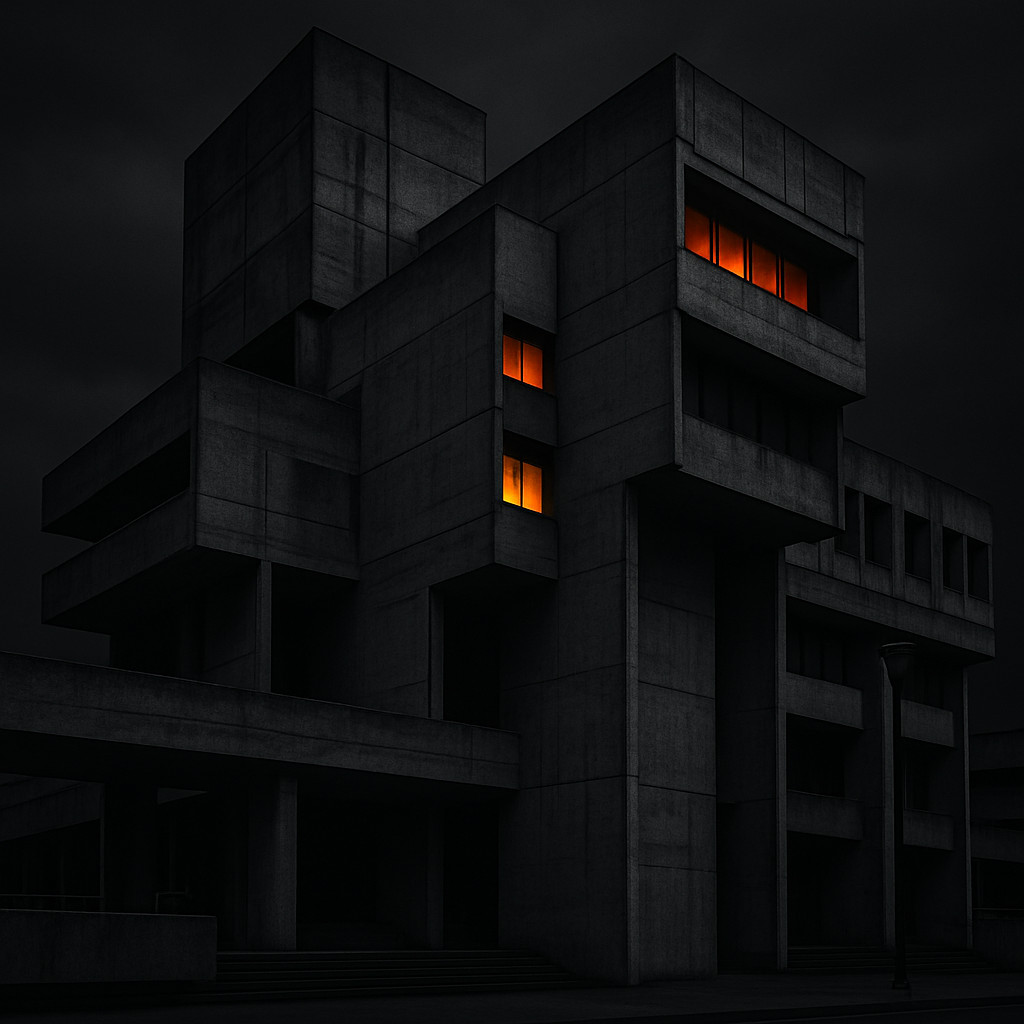
Brutalist architecture in Budapest emerged prominently during the socialist era, particularly from the 1960s to the late 1980s, when concrete became the signature material of state-led urban development. Influenced by the broader Modernist movement, Brutalism in Hungary favored massive geometric volumes, exposed structural forms, and raw béton brut surfaces that conveyed strength, functionality, and ideological austerity.
Many public institutions, university buildings, cultural centers, and housing estates were constructed in this style, reflecting the political climate and architectural priorities of the time. Today, these stark concrete landmarks remain some of the most recognizable—and controversial—symbols of Budapest’s communist-period urban landscape.
How to Recognize Each Style in the City
Here’s a quick guide to help you identify Budapest’s architectural language as you explore:
| Style | Period | Visual Clues | Example |
|---|---|---|---|
| Baroque / Neo-Baroque | 17th–19th c. | Domes, curved façades, golden ornament | St. Stephen’s Basilica |
| Neo-Renaissance | 19th c. | Arches, columns, balanced geometry | Hungarian State Opera |
| Neo-Gothic | 19th c. | Pointed towers, stained glass, vertical lines | Hungarian Parliament |
| Neo-Classical | 19th c. | Columns, symmetry, calm elegance | Hungarian National Museum |
| Art Nouveau | 1900 s | Floral motifs, curved iron, stained glass | Párisi Udvar Hotel |
| Eclectic | Late 19th c. | Mixture of styles in one façade | Vajdahunyad Castle |
| Ottoman Influence | 16th–17th c. | Domes, baths, geometric tiles | Rudas Baths |
Walking Through Centuries of Art
One of the best ways to experience these contrasts is on foot.
Join a Budapest Walking Tour and feel how the streets themselves shift from one era to another — from the medieval lanes of Buda Castle to the 19th-century elegance of Andrássy Avenue and the Art Nouveau whispers of Liberty Bridge.
Every corner tells a story: of kings and architects, revolutions and rebirths.
And perhaps that’s the true beauty of Budapest’s architectural styles — they don’t just show history, they make you walk inside it.
Final Thoughts
Budapest’s skyline is not frozen in time — it’s a living conversation between centuries.
From Ottoman baths to Neo-Gothic parliaments and Art Nouveau palaces, the city captures every chapter of European imagination.
To understand Architectural Styles in Budapest is to understand its soul — a blend of East and West, of discipline and fantasy, of ancient roots and modern dreams.
Whether you admire it from the Citadella Viewpoint or from a rooftop bar above the Danube, you’ll see why Budapest remains not only a city of beauty, but of endless inspiration.